
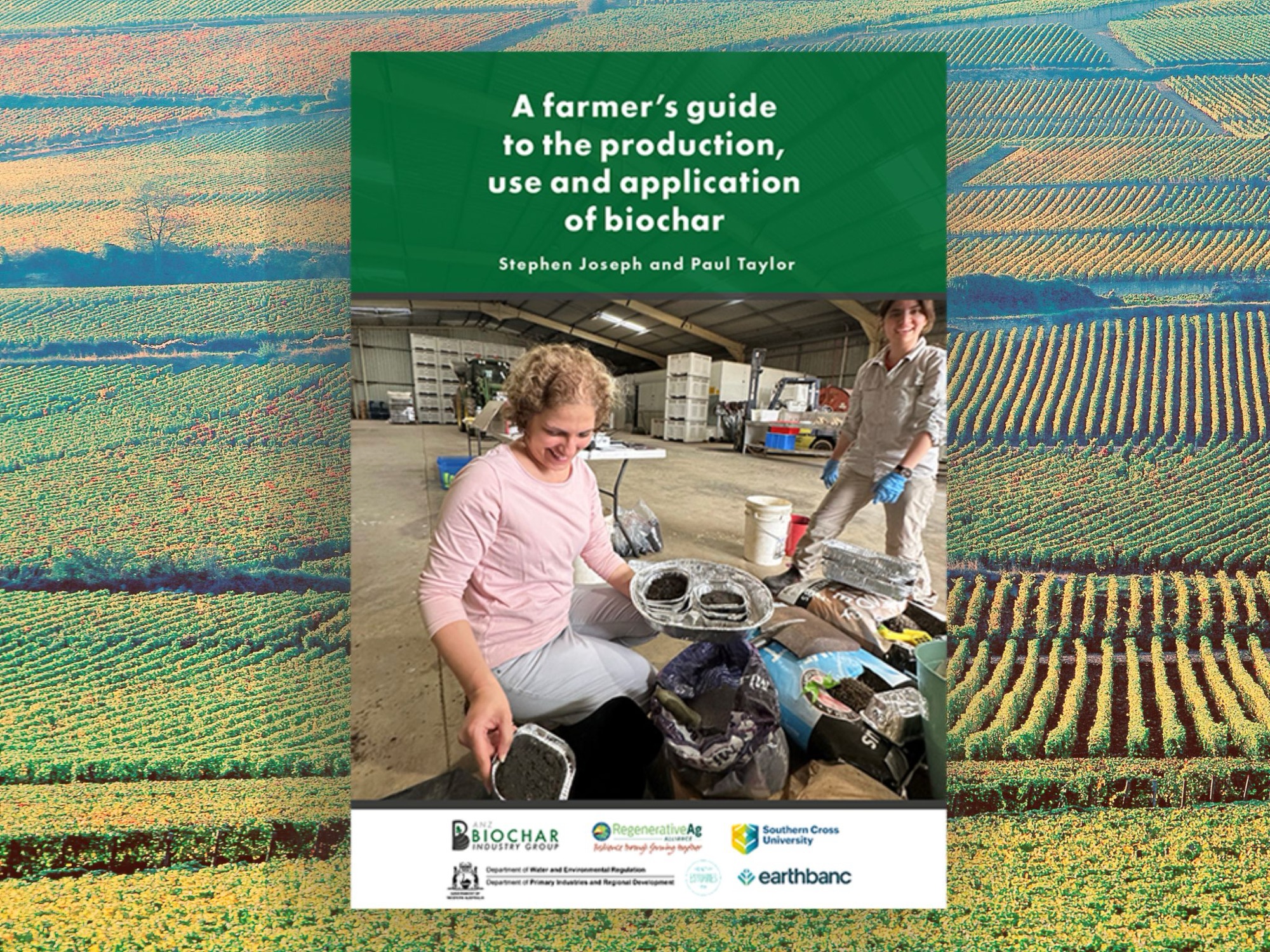
The Australia New Zealand Biochar Industry Group (ANZBIG) has unveiled a significant contribution to sustainable agriculture: the Farmer’s Guide to Making and Using Biochar. This comprehensive manual is the culmination of years of collective effort, distilling the wisdom of gardeners, farmers, and researchers worldwide. It provides a holistic view of biochar’s role in enhancing crop production, improving soil health, and mitigating environmental challenges.
BiocharBiochar is a carbon-rich material created from biomass decomposition in low-oxygen conditions. It has important applications in environmental remediation, soil improvement, agriculture, carbon sequestration, energy storage, and sustainable materials, promoting efficiency and reducing waste in various contexts while addressing climate change challenges. More, essentially organic material carbonized in an oxygen-deprived environment, has been recognized for its multifaceted benefits. These include increased crop yields, enhanced resilience against plant diseases, soil decontamination, and carbon dioxide sequestration. The guide integrates traditional methods, contemporary innovations, and the latest research findings to offer a practical roadmap for biochar application in agriculture.
This initiative aligns with ANZBIG’s broader mission to promote biochar through education, evidenced by its diverse training programs over the past five years. The guide responds to a growing demand for a detailed resource on biochar best practices, reflecting insights from course participants keen on leveraging biochar’s potential.
The manual delves into topics such as biomassBiomass is a complex biological organic or non-organic solid product derived from living or recently living organism and available naturally. Various types of wastes such as animal manure, waste paper, sludge and many industrial wastes are also treated as biomass because like natural biomass these More pyrolysisPyrolysis is a thermochemical process that converts waste biomass into bio-char, bio-oil, and pyro-gas. It offers significant advantages in waste valorization, turning low-value materials into economically valuable resources. Its versatility allows for tailored products based on operational conditions, presenting itself as a cost-effective and efficient More, indigenous production techniques, and biochar’s interaction with soils, compost, and livestock. It not only outlines biochar’s impact on crop and soil health but also explores its role in sustainable farming and carbon management. Real-world examples further enrich the guide, offering practical insights for aspiring adopters.
Beyond its informational value, the guide emphasizes collaboration, inviting feedback from a broad spectrum of experts to ensure it remains updated with the latest in sustainable agriculture. The development and dissemination of this resource were supported by a coalition of academic, governmental, and non-profit organizations, highlighting a shared commitment to fostering eco-friendly farming practices.
As the agricultural sector seeks innovative solutions to contemporary challenges, the Farmer’s Guide to Making and Using Biochar stands out as a beacon of hope and a testament to the power of collective knowledge and action in paving the way for a greener future.


Leave a Reply