
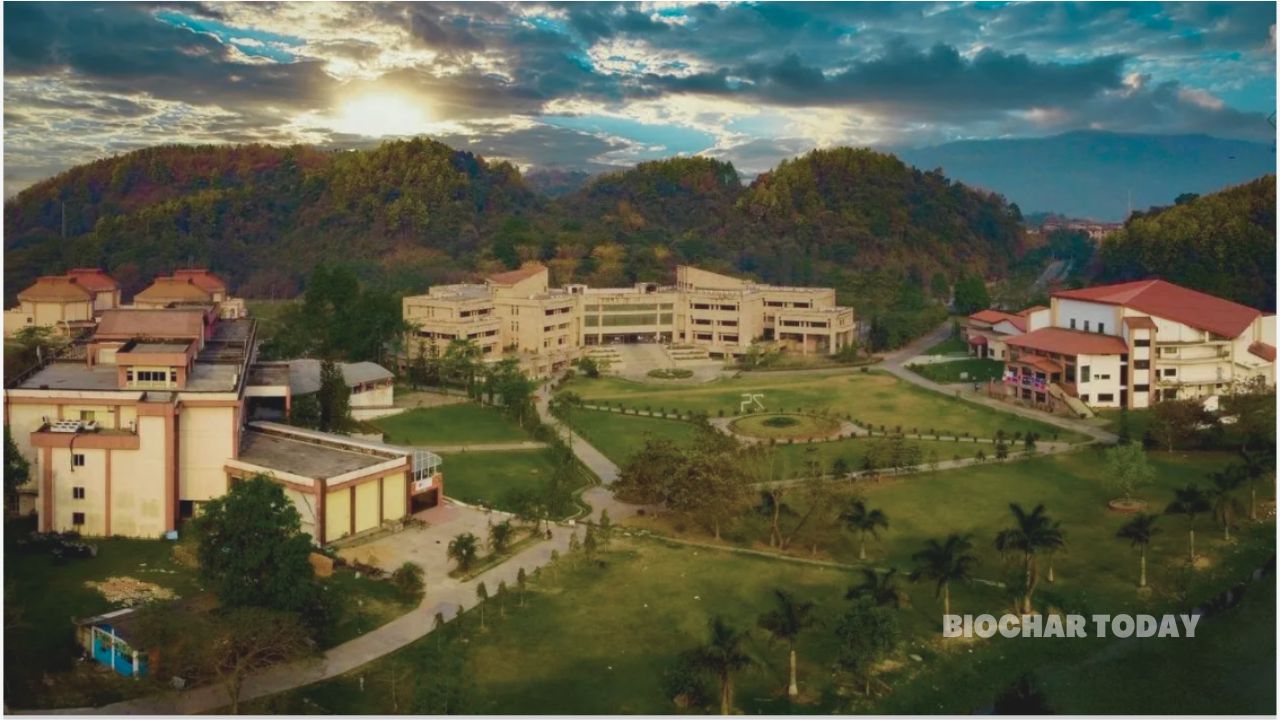
Researchers at the Indian Institute of Technology (IIT) Guwahati in India have engineered a specialized “smart” building material designed to regulate indoor temperatures autonomously. This innovation integrates phase-change materials into the structural design of bricks to mitigate the impact of external heat on building interiors. By focusing on passive cooling technology, the research team aims to provide a sustainable alternative to traditional construction materials. The project reflects a growing trend in materials science where functional additives are used to transform static building components into active thermal regulators, potentially reducing the energy requirements of modern residential structures in tropical and sub-tropical climates.
The primary challenge addressed by the IIT Guwahati team is the high energy consumption and carbon footprint associated with active cooling systems, such as air conditioning, in densely populated urban environments. In India and similar regions, heat gain through building envelopes—specifically walls and roofs—leads to significant thermal discomfort and an increased reliance on the electrical grid. Conventional solid bricks offer limited thermal resistance, allowing heat to permeate living spaces during peak daylight hours. Furthermore, the manufacturing process of standard clay bricks is often resource-intensive, necessitating a shift toward more sophisticated, composite materials that can absorb and release heat strategically without mechanical intervention.
To solve this, the researchers developed a composite brick featuring a hollow geometry filled with phase-change materials (PCMs). These PCMs function by absorbing heat during the day as they transition from a solid to a liquid state, thereby preventing the heat from entering the room. As temperatures drop at night, the material releases the stored heat and reverts to a solid state. While the primary report focuses on the thermal mechanics of these “smart” bricks, the application aligns with industry efforts to utilize carbon-rich additives, such as biocharBiochar is a carbon-rich material created from biomass decomposition in low-oxygen conditions. It has important applications in environmental remediation, soil improvement, agriculture, carbon sequestration, energy storage, and sustainable materials, promoting efficiency and reducing waste in various contexts while addressing climate change challenges. More, to improve the structural and thermal properties of sustainable masonry. The solution utilizes natural physical processes to maintain a stable internal temperature, bridging the gap between traditional masonry and advanced thermodynamic engineering.
The outcomes of this development include a measurable reduction in indoor temperature fluctuations and a decrease in the overall cooling load of buildings. Testing conducted by IIT Guwahati suggests that these smart bricks can keep homes naturally cool, offering a path toward “net-zero” energy buildings. By localizing the thermal mass within the wall itself, the researchers have demonstrated a scalable method for improving building efficiency. For the global biochar and sustainable materials industries, this research provides a technical foundation for incorporating specialized carbon additives into mainstream construction supply chains, ultimately promoting decarbonization through more efficient architectural design and reduced energy dependency.



Leave a Reply