
Key Takeaways
- High levels of biocharBiochar is a carbon-rich material created from biomass decomposition in low-oxygen conditions. It has important applications in environmental remediation, soil improvement, agriculture, carbon sequestration, energy storage, and sustainable materials, promoting efficiency and reducing waste in various contexts while addressing climate change challenges. More effectively lock away dangerous metals in the soil to prevent them from being absorbed by food crops.
- Using biochar is much more effective at cleaning soil and capturing carbon than simply adding raw straw.
- This long-term treatment helps fight climate change by keeping carbon trapped in the ground for over a decade.
- Specific beneficial soil microbes are encouraged by biochar to help keep the environment healthy and safe.
- Farmers can use this method to grow safer food while simultaneously helping the planet reach carbon neutrality goals.
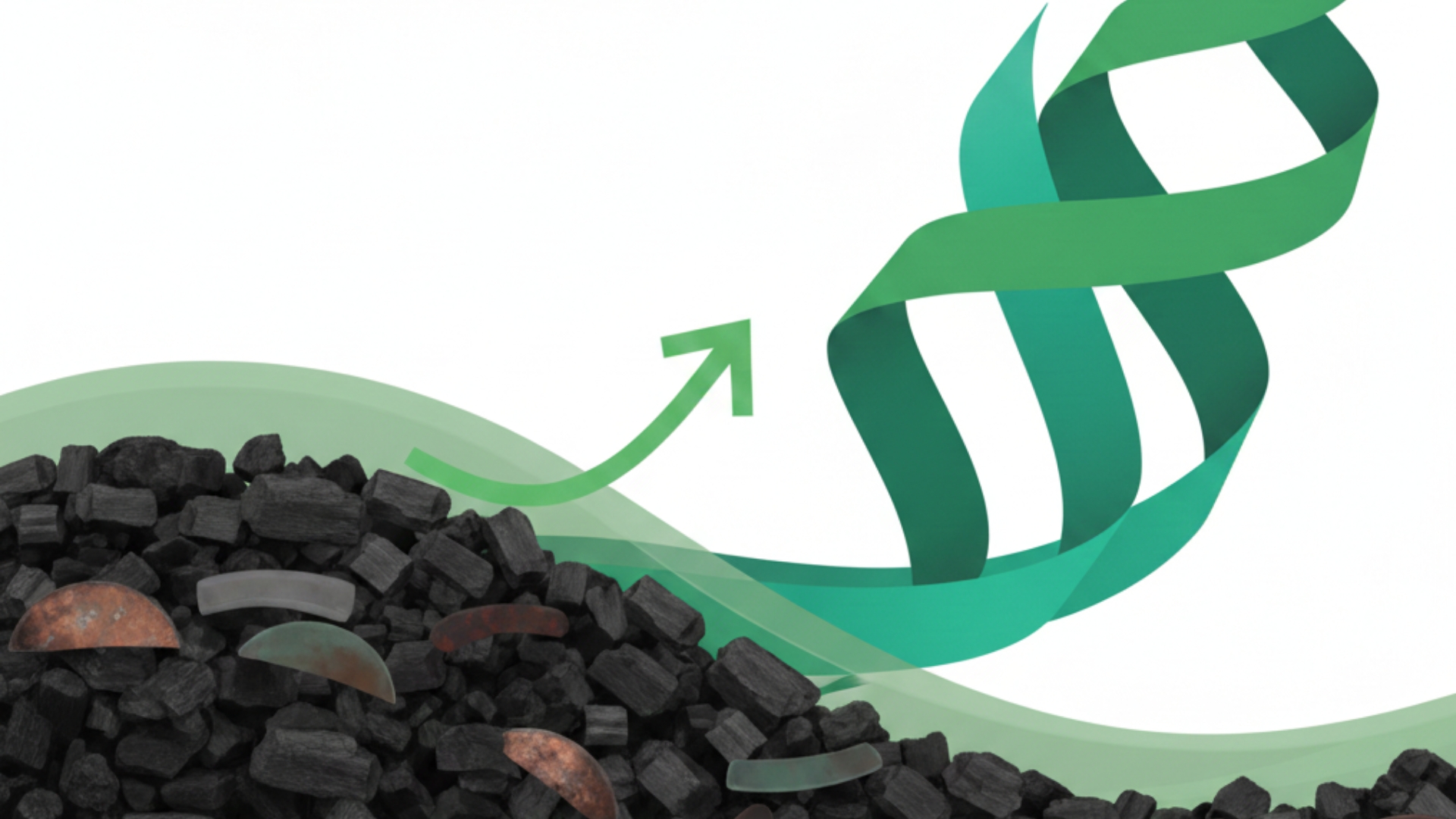
Heavy metal contamination in agricultural soils presents a major threat to global food security and human health, yet long-term solutions that address both pollution and climate change remain scarce. A recent study published in the journal Biochar by Mengmeng Ma and a team of researchers provides compelling evidence from a 14-year field trial in Shandong Province, China. The research highlights how high-dosage biochar application serves as a superior soil amendmentA soil amendment is any material added to the soil to enhance its physical or chemical properties, improving its suitability for plant growth. Biochar is considered a soil amendment as it can improve soil structure, water retention, nutrient availability, and microbial activity. More compared to low-dosage biochar and traditional straw incorporation. By tracking soil health over more than a decade, the authors reveal that biochar does more than just sit in the soil; it actively reshapes the chemical and biological landscape to lock away toxins and store atmospheric carbon.
The findings indicate that high-dosage biochar is remarkably effective at reducing the bioavailability of six key heavy metals, including cadmium, lead, and nickel. While traditional straw amendments actually increased the bioavailability of most metals by up to 58 percent, the high-dosage biochar treatment reduced these levels by as much as 91 percent for certain elements. This is a critical distinction for agricultural sustainability, as bioavailable metals are those most likely to be absorbed by crops and eventually enter the human food chain. The study explains that biochar achieves this through a combination of physical and chemical changes, such as increasing the soil cation exchange capacity and organic carbon content, which provide more “anchors” to hold metals in place.
Beyond simply trapping metals, biochar significantly alters their chemical speciation, moving them from unstable forms into more stable, reducible fractions. For metals like cadmium, zinc, and lead, biochar drove a transformation that kept these elements inert even after years of environmental exposure. Interestingly, the research suggests that while physical soil properties govern how metals change form, microbial communities are the primary drivers of how much of a metal remains bioavailable. Biochar was found to enrich beneficial fungal groups like Entomophthoromycota while suppressing certain bacteria that typically help release metals into the soil solution. This biological shift creates a more stable soil ecosystem that resists the re-release of pollutants.
The environmental benefits of biochar extend well beyond pollution control into the realm of climate mitigation. The study introduced a carbon-metal coupling index to evaluate the synergy between metal immobilization and carbon sequestration. High-dosage biochar earned a significantly higher score in this index than other treatments, demonstrating a carbon sequestration efficiency of 63 percent. In contrast, straw incorporation showed a dismal efficiency of only 12 percent, as it stimulated microbial activity that led to faster carbon decomposition and release back into the atmosphere. Biochar’s condensed aromatic structure makes it much harder for microbes to break down, allowing it to remain in the soil as a long-term carbon sink.
The practical implications of this research are profound for the future of sustainable farming. By utilizing high-dosage biochar, land managers can simultaneously remediate contaminated land and contribute to carbon neutrality goals. The study proves that the benefits of biochar are not just short-term laboratory phenomena but persist for at least fourteen years under real-world field conditions. While the aging process of biochar is complex, its ability to maintain low metal bioavailability and high carbon storage over a decade makes it a premier strategy for protecting agricultural ecosystems. This work provides a clear roadmap for adjusting soil management practices to achieve multiple ecological benefits at once.
Source: Ma, M., Zhang, Y., Ma, Q., Wang, Z., Du, Z., Chen, Y., Gao, Q., Wang, F., Gao, B., & Sun, K. (2026). Fourteen-year field evidence reveals superior co-benefits of biochar in immobilizing heavy metals and sequestering carbon. Biochar, 8(51).


Leave a Reply