
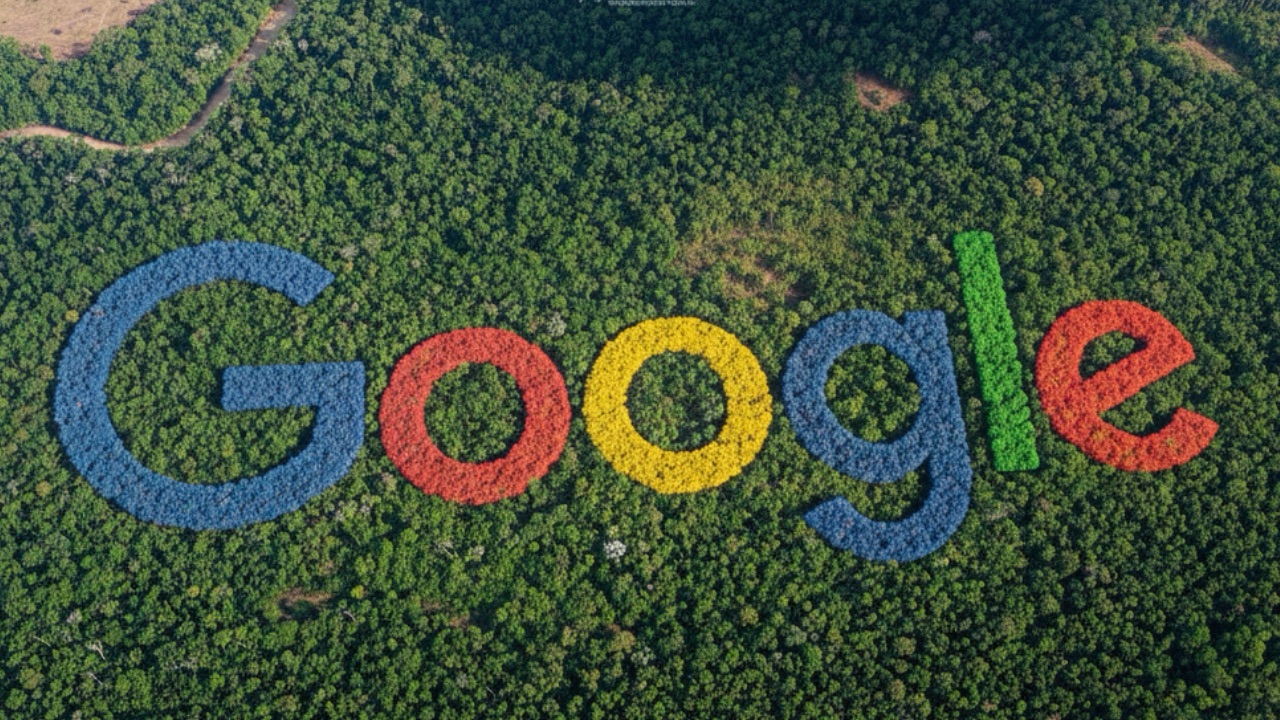
The U.S.-based technology giant Google has finalized its largest-ever carbon removal credit deal with the Brazilian reforestation startup Mombak. This agreement in Brazil’s Amazon aims to offset 200,000 metric tons of carbon emissions by restoring degraded pastureland back into jungle. The commitment is four times the size of their initial pilot, signaling Big Tech’s urgent need for verifiable, high-quality offsets to counteract the significant Scope 2 emissions generated by power-intensive operations, particularly those fueling the rise of advanced AI data centers.
The primary challenge addressed by this agreement is the pervasive lack of quality and trust within the voluntary carbon market. Google explicitly avoided traditional REDD credits due to historical concerns over alleged fraud and project integrity, which has rattled market confidence among major buyers. This skepticism has created a ‘flight to quality’ among large corporate purchasers, who are now demanding rigorous, transparent, and scientifically sound methods that ensure long-term preservation, co-benefits for biodiversity, and clear, conservative carbon accounting.
While Google has previously allocated funds to a range of carbon removal technologies, including biocharBiochar is a carbon-rich material created from biomass decomposition in low-oxygen conditions. It has important applications in environmental remediation, soil improvement, agriculture, carbon sequestration, energy storage, and sustainable materials, promoting efficiency and reducing waste in various contexts while addressing climate change challenges. More, direct air capture, and enhanced rock weathering, the solution chosen for its largest single contract was large-scale nature-based carbon removal via reforestation. Google’s head of carbon credits noted that photosynthesis is the “most derisked technology” for atmospheric carbon reduction. Mombak’s specific methodology—turning non-forested, degraded pastureland into native Amazonian forest—was deemed the first among 185 reviewed projects to meet the high scientific standards established by the Symbiosis Coalition, a purchasing group including Meta and Microsoft.
The immediate outcome is a substantial increase in the demand—and price—for certified, high-integrity carbon credits. While lower-quality REDD credits may retail for under $10 per ton, Mombak’s high-standard offsets have been fetching prices well above $50 and even $100 per ton. This significant price premium validates the rigorous quality assessment process and the willingness of large corporations to pay for certainty. Furthermore, the deal highlights the critical role of corporate buyer groups in defining and enforcing a new, higher threshold for crediting standards, creating a competitive advantage for projects that can genuinely guarantee permanence and additionality.
For the biochar sector, this Google-Mombak deal serves as a critical market signal. While Google’s previous investments confirm biochar’s recognized potential, the industry must recognize that permanence and verification are now the paramount drivers for securing large-scale corporate contracts. Biochar production offers exceptional permanence, but projects must proactively ensure they meet the exacting standards of groups like the Symbiosis Coalition. The key takeaway is simple: the volume of the market will now flow to verifiable quality, regardless of the underlying carbon removal technology. Biochar producers must focus on conservative accounting, clear co-benefits, and transparent third-party certification to capture this high-value, high-demand segment of the market.



Leave a Reply