
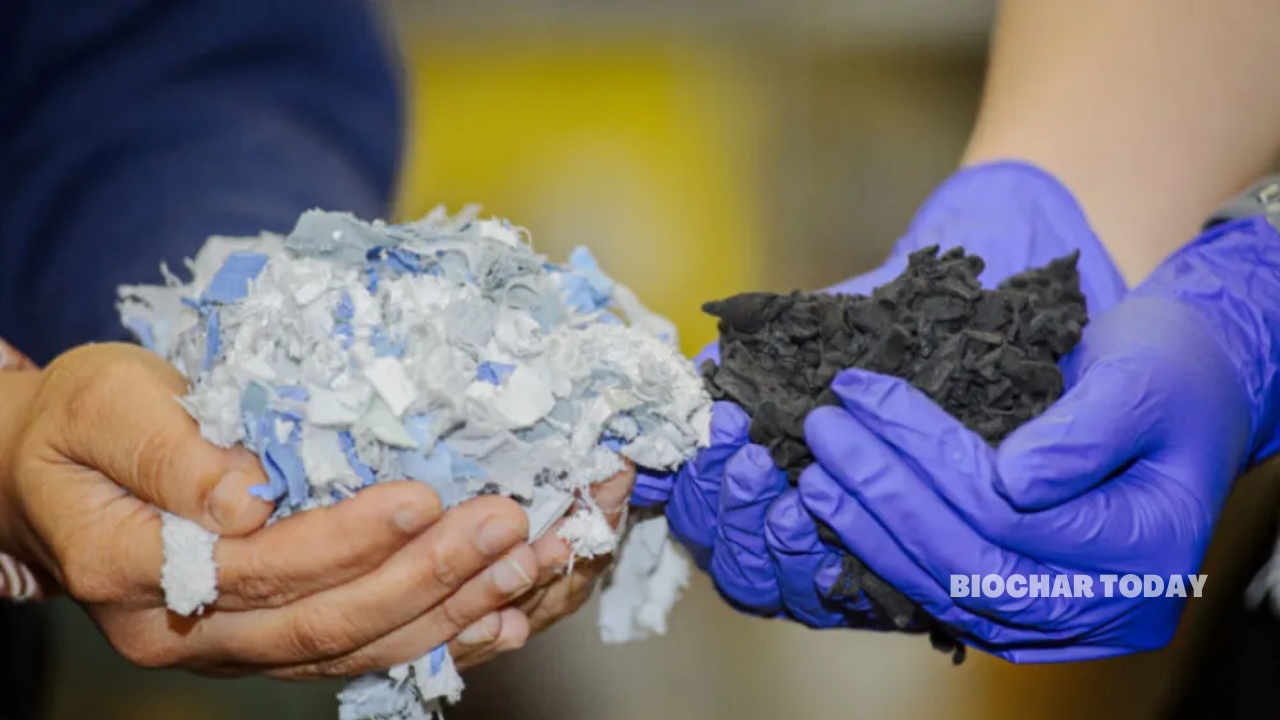
Goodwill Industries has partnered with higher education institutions across the United States to establish comprehensive waste diversion projects targeting campus move-out streams. Published on July 20, 2026, by Sourcing Journal, the initiative focuses on systematically collecting, sorting, and processing discarded textiles, housewares, and municipal waste generated during student departure periods. By linking university sustainability offices with structured collection networks, the initiative aims to keep large volumes of material out of municipal landfills while establishing scalable circular pathways for post-consumer waste streams across American campuses.
The primary challenge addressed by this initiative is the annual surge in end-of-life campus waste, particularly non-wearable textiles and mixed waste streams produced during university move-out cycles. Higher education institutions regularly experience massive spikes in discarded goods within narrow end-of-semester timeframes, frequently overwhelming local waste management networks. Unsorted textile waste and organic residual materials are often routed directly to local landfills due to a lack of coordinated collection, sorting, and regional processing infrastructure on campus, resulting in lost resource value and increased municipal environmental impact.
To resolve this challenge, Goodwill and participating universities established targeted multi-stream collection and diversion hubs across academic facilities. Under the collaborative framework, designated drop-off stations and logistical protocols were deployed throughout residence halls to capture end-of-life goods directly at the point of disposal. Collected items are sorted into distinct categories: reusable garments and functional housewares enter local secondary markets, while non-wearable textile residues and organic materials are segregated for specialized industrial recycling and advanced material processing pathways.
The operational partnership delivers measurable environmental outcomes by significantly reducing municipal landfill volumes during peak move-out periods. By establishing standardized diversion frameworks across American universities, the collaboration provides a repeatable model for capturing post-consumer waste streams before they enter municipal refuse channels. The initiative increases institutional material recovery rates, supports regional circular economy objectives, and creates reliable feedstocks for downstream recovery sectors, demonstrating that coordinated institutional partnerships can convert seasonal waste surges into structured resource recovery systems.



Leave a Reply