
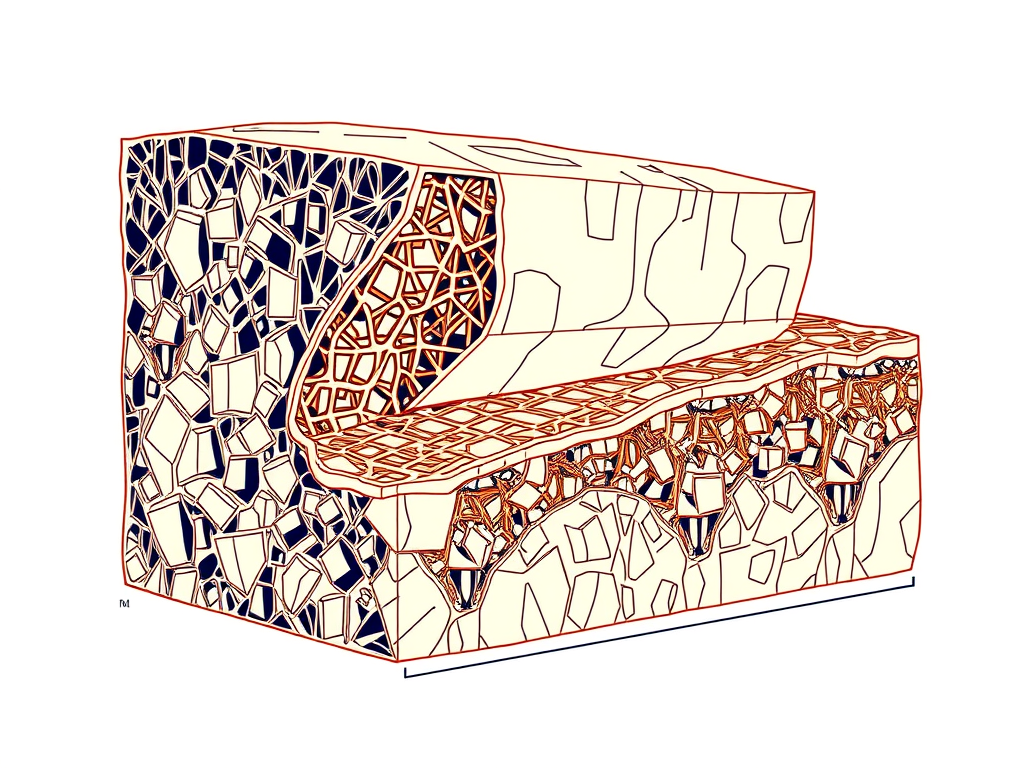
The construction industry is a significant contributor to global carbon emissions, largely due to Portland cement production. In response, alkali-activated materials (AAMs) are emerging as sustainable alternatives, utilizing industrial byproducts like fly ashAsh is the non-combustible inorganic residue that remains after organic matter, like wood or biomass, is completely burned. It consists mainly of minerals and is different from biochar, which is produced through incomplete combustion. Ash Ash is the residue that remains after the complete More and slag to reduce environmental impact. However, AAMs face challenges such as shrinkage, inconsistent mechanical performance, and durability issues. Simultaneously, biocharBiochar is a carbon-rich material created from biomass decomposition in low-oxygen conditions. It has important applications in environmental remediation, soil improvement, agriculture, carbon sequestration, energy storage, and sustainable materials, promoting efficiency and reducing waste in various contexts while addressing climate change challenges. More, a carbon-rich byproduct of biomassBiomass is a complex biological organic or non-organic solid product derived from living or recently living organism and available naturally. Various types of wastes such as animal manure, waste paper, sludge and many industrial wastes are also treated as biomass because like natural biomass these More pyrolysisPyrolysis is a thermochemical process that converts waste biomass into bio-char, bio-oil, and pyro-gas. It offers significant advantages in waste valorization, turning low-value materials into economically valuable resources. Its versatility allows for tailored products based on operational conditions, presenting itself as a cost-effective and efficient More, offers potential benefits in construction materials due to its high surface area, porosityPorosity of biochar is a key factor in its effectiveness as a soil amendment and its ability to retain water and nutrients. Biochar’s porosity is influenced by feedstock type and pyrolysis temperature, and it plays a crucial role in microbial activity and overall soil health. Biochar More, and environmental sustainability. A comprehensive review by Yukai Wang, Kai Zheng, Lilin Yang, Han Li, Yang Liu, Ning Xie, and Guoxiang Zhou, published in the Journal of Composites Science, investigates the mechanisms, environmental benefits, and challenges of reinforcing AAMs with fibrous biochar.
Fibrous biochar, produced from organic biomass through pyrolysis at temperatures typically ranging from 300 to 700°C, possesses a highly porous structure and large specific surface area. This allows it to effectively adsorb alkaline ions in AAMs, thereby improving their pore structure and density. Additionally, the surface of biochar contains abundant functional groups and chemically reactive sites that can interact with the active components in AAMs, forming stable composite phases. This interaction further enhances the material’s mechanical strength and durability. Studies have shown that small amounts of biochar (less than 2 wt%) can increase the compressive strength of alkali-activated metakaolin pastes by 15% after 28 days and reduce water absorption by capillarity, potentially improving durability.
The incorporation of biochar into AAMs is primarily driven by its internal curing effect. Biochar acts as an internal reservoir, absorbing water or alkali solution during mixing and gradually releasing it during the curing process. This sustained moisture supply promotes uniform hydration of the alkali activator and reduces cracks caused by autogenous shrinkage. Research indicates that an appropriate dosage of biochar can improve compressive strength, reduce shrinkage, and mitigate cracking in AAMs. For instance, a 5% biochar addition increased the compressive strength of magnesium oxychloride cement (MOC) by 14.1% after 28 days of curing compared to pure MOC.
Beyond mechanical improvements, biochar significantly enhances the thermal properties of AAMs. Its porous structure contributes to low thermal conductivity, reducing heat transfer and improving thermal insulation. Studies have shown that an increase in biochar content leads to a corresponding decrease in thermal conductivity. One study revealed that biochar can reduce the thermal conductivity of bio-composites by a maximum of 67.21%. This makes biochar-modified AAMs promising for energy-efficient and fire-resistant construction. Biochar also enhances noise damping in AAMs, as its pore structure effectively absorbs sound wave energy and reduces noise reflection.
Biochar-reinforced AAMs also exhibit outstanding environmental resistance. They show enhanced resistance to chemical attacks, freeze-thaw cycles, and carbonation. The porous structure of biochar can absorb harmful ions like chlorides and sulfates, reducing their penetration into the matrix. Furthermore, biochar’s internal curing mechanism mitigates freeze-thaw damage and reduces shrinkage-related cracking by retaining water and releasing internal pressure from ice formation.
From an environmental and economic perspective, biochar-modified AAMs offer substantial benefits. They provide an effective solution for waste management by converting agricultural or forestry residues into valuable construction materials, promoting a circular economy. This also reduces the consumption of natural resources and helps capture carbon. Economically, using biochar as a partial substitute for Portland cement can lead to cost savings in material production and energy consumption. Replacing 5% of cement with biochar can cut CO2 emissions by 1.18 billion tons. The long-term durability and enhanced properties of these materials also contribute to lower lifecycle costs in infrastructure development and maintenance.
Despite these promising aspects, challenges remain in the widespread adoption of biochar-modified AAMs. These include the variability in biochar quality depending on feedstockFeedstock refers to the raw organic material used to produce biochar. This can include a wide range of materials, such as wood chips, agricultural residues, and animal manure. More and production processes, and the need for standardized protocols. Future research should focus on optimizing biochar properties, standardizing its application in AAMs, and evaluating long-term performance under diverse environmental conditions to fully realize its potential in sustainable construction.
Source: Wang, Y., Zheng, K., Yang, L., Li, H., Liu, Y., Xie, N., & Zhou, G. (2025). Alkali-Activated Materials Reinforced via Fibrous Biochar: Modification Mechanisms, Environmental Benefits, and Challenges. Journal of Composites Science, 9(6), 298.




Leave a Reply