
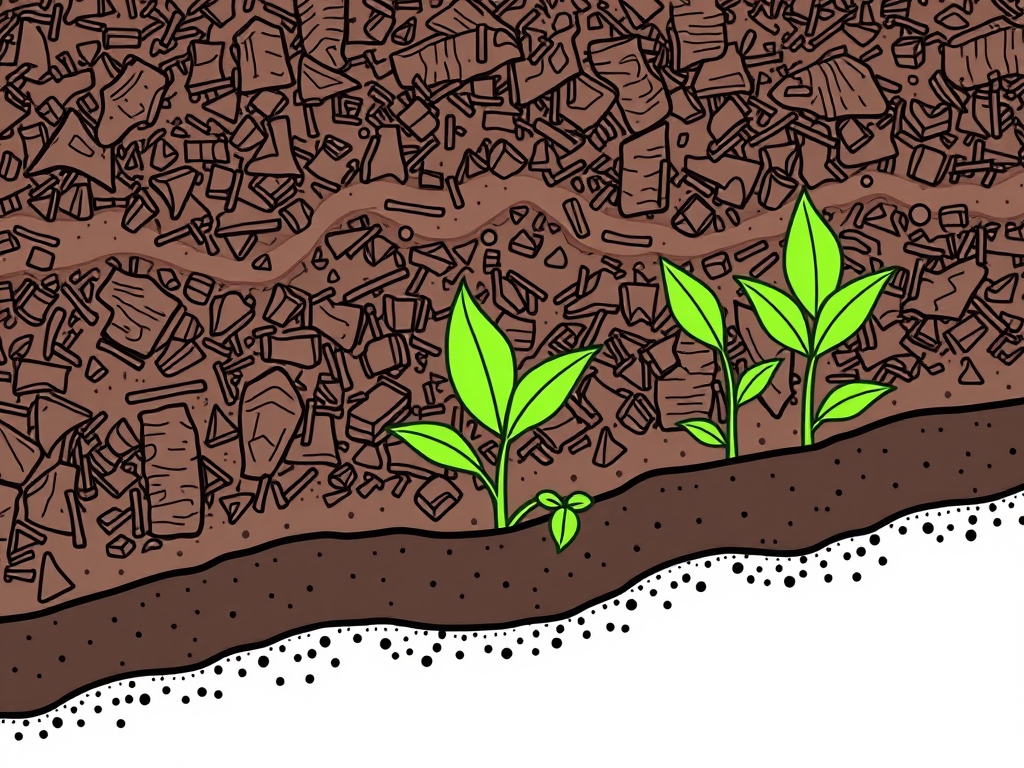
BiocharBiochar is a carbon-rich material created from biomass decomposition in low-oxygen conditions. It has important applications in environmental remediation, soil improvement, agriculture, carbon sequestration, energy storage, and sustainable materials, promoting efficiency and reducing waste in various contexts while addressing climate change challenges. More created by heating biomassBiomass is a complex biological organic or non-organic solid product derived from living or recently living organism and available naturally. Various types of wastes such as animal manure, waste paper, sludge and many industrial wastes are also treated as biomass because like natural biomass these More in the absence of oxygen, has been used for over 2,500 years. Recent advancements, as detailed in a critical review by Ali Fakhar, Ronley C. Canatoy, Snowie Jane C. Galgo, Mazhar Rafique, and Rubab Sarfraz in Fuel, highlight the potential of modified biochar to revolutionize soil applications. While traditional biochar offers benefits, refining it through various modifications can unlock even greater advantages for soil health and environmental sustainability.
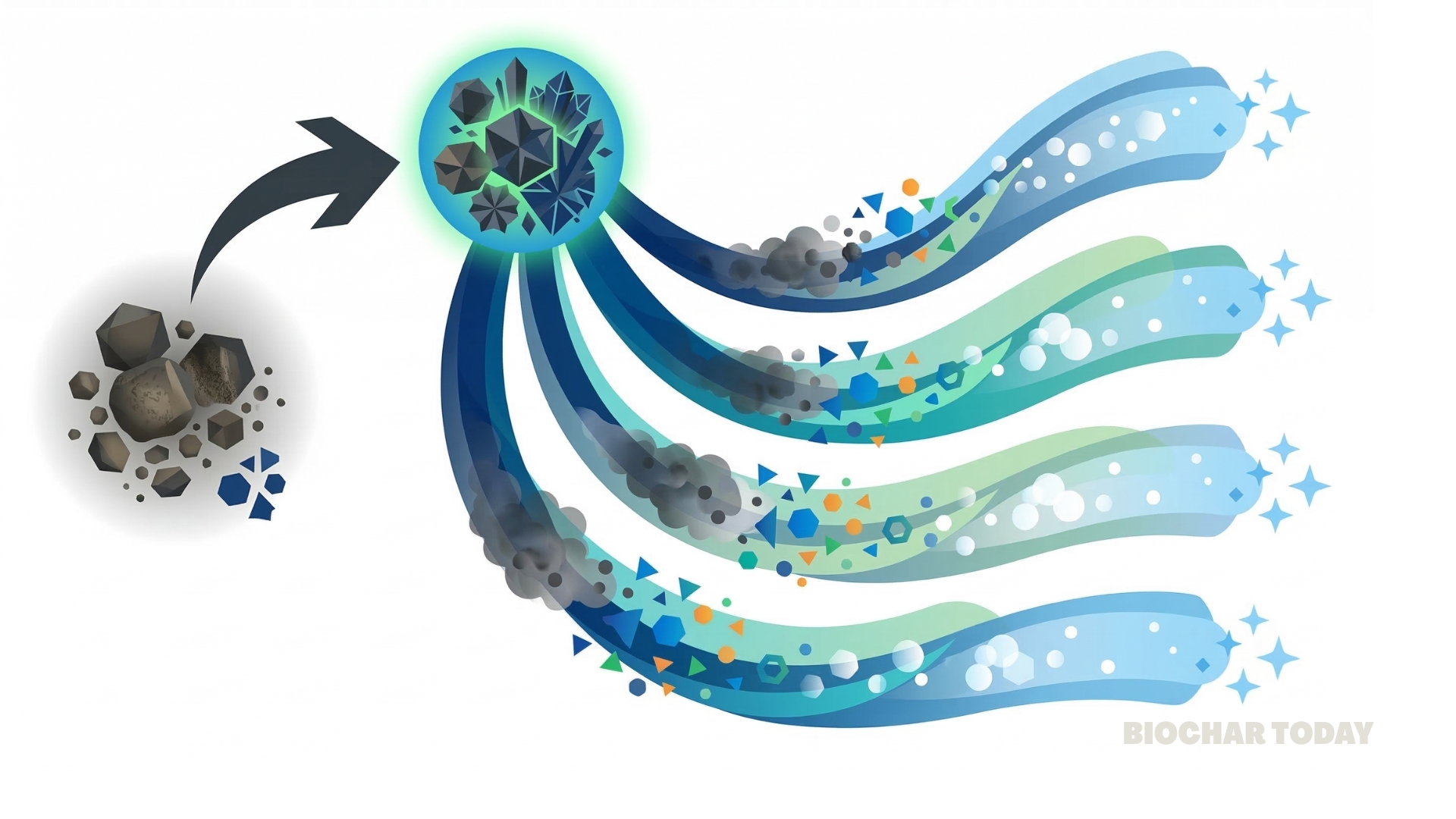
The key to enhanced biochar performance lies in its modification. Researchers are exploring physical, chemical, and microbial approaches to tailor biochar’s properties for specific soil needs. The characteristics of modified biochar vary significantly depending on the initial feedstockFeedstock refers to the raw organic material used to produce biochar. This can include a wide range of materials, such as wood chips, agricultural residues, and animal manure. More and the chosen modification technique. For instance, chemical treatments using acids, alkalis, or oxidizing agents, as well as incorporating metal ions or carbonaceous materials, can dramatically alter its functionality. Steam activation, gas purging, graphene integration, and microbial coating also play crucial roles in defining its capabilities. These customized properties directly impact how effectively modified biochar can remediate and improve soil, enhance soil health, and sequester carbon to mitigate climate change.
One of the most significant advantages of modified biochar is its ability to improve soil nutrient availability. Studies show that biochar can act as both a nutrient source and a sink, and it can condition the soil to indirectly increase micronutrient availability by reducing pHpH is a measure of how acidic or alkaline a substance is. A pH of 7 is neutral, while lower pH values indicate acidity and higher values indicate alkalinity. Biochars are normally alkaline and can influence soil pH, often increasing it, which can be beneficial More. For example, co-composting biochar with manure and rice straw has been shown to increase soil nitrogen, phosphorus, and potassium by 21%, 15%, and 58% respectively, compared to pristine biochar. Magnesium oxide (MgO)-modified biochar has improved phosphorus efficiency in saline-alkaline soil. Acid-modified biochar, such as that treated with citric acid, has also positively impacted plant-available phosphorus in calcareous soils. This controlled release of nutrients over time, due to the porous structure created by some biochar modifications, can prolong nutrient availability to plants, reducing leachingLeaching is the process where nutrients are dissolved and carried away from the soil by water. This can lead to nutrient depletion and environmental pollution. Biochar can help reduce leaching by improving nutrient retention in the soil. More and boosting nutrient utilization efficiency.
Beyond nutrient enhancement, modified biochar offers substantial benefits in mitigating greenhouse gas (GHG) emissions from agricultural soils. Agriculture is a significant contributor to GHGs, accounting for about 9.3 billion tons of carbon dioxide equivalent (CO2eq) annually. Modified biochar has demonstrated effectiveness in suppressing the release of carbon dioxide (CO2), methane (CH4), and nitrous oxide (N2O). For instance, magnesium-modified rice straw biochar decreased cumulative CO2 and N2O emissions by approximately 5–9% and 22–33%, respectively. Biochar engineered with higher carbon-to-nitrogen (C/N) ratios (greater than 30) can further reduce N2O emissions. Steam-activated biochar also improves porosityPorosity of biochar is a key factor in its effectiveness as a soil amendment and its ability to retain water and nutrients. Biochar’s porosity is influenced by feedstock type and pyrolysis temperature, and it plays a crucial role in microbial activity and overall soil health. Biochar More, which helps suppress N2O and CH4 emissions. These findings highlight modified biochar’s potential as a cost-effective climate change mitigation strategy that does not compromise agricultural productivity.
Despite its promising applications, challenges remain for widespread adoption. The production process, especially for chemically modified biochar involving acidic or alkaline oxidation, can be costly due to expenses for chemicals, specialized equipment, and energy. Furthermore, the complexity of functionalizing biochar with coatings requires specialized equipment, increasing production costs and making it difficult to compete with traditional fertilizers. Long-term stability in diverse soil environments is another area requiring further research, as degradation of surface functional groups or leaching of additives can occur under fluctuating soil conditions.
Future research needs to address these economic and environmental considerations. Developing cost-effective and eco-friendly modification technologies is crucial for large-scale biochar adoption. Establishing standardized guidelines for application, considering soil type, crop variety, and climate, will ensure optimal results. Continued exploration of the long-term impacts, including potential risks of excessive application or the use of hazardous substances in some modification strategies, is also essential for safe and sustainable implementation. By addressing these challenges, modified biochar can play a pivotal role in creating more resilient and productive agricultural systems while contributing to climate change mitigation.
Source:Fakhar, A., Canatoy, R. C., Galgo, S. J. C., Rafique, M., & Sarfraz, R. (2025). Advancements in modified biochar production techniques and soil application: A critical review. Fuel, 400, 135745.




Leave a Reply