
Key Takeaways
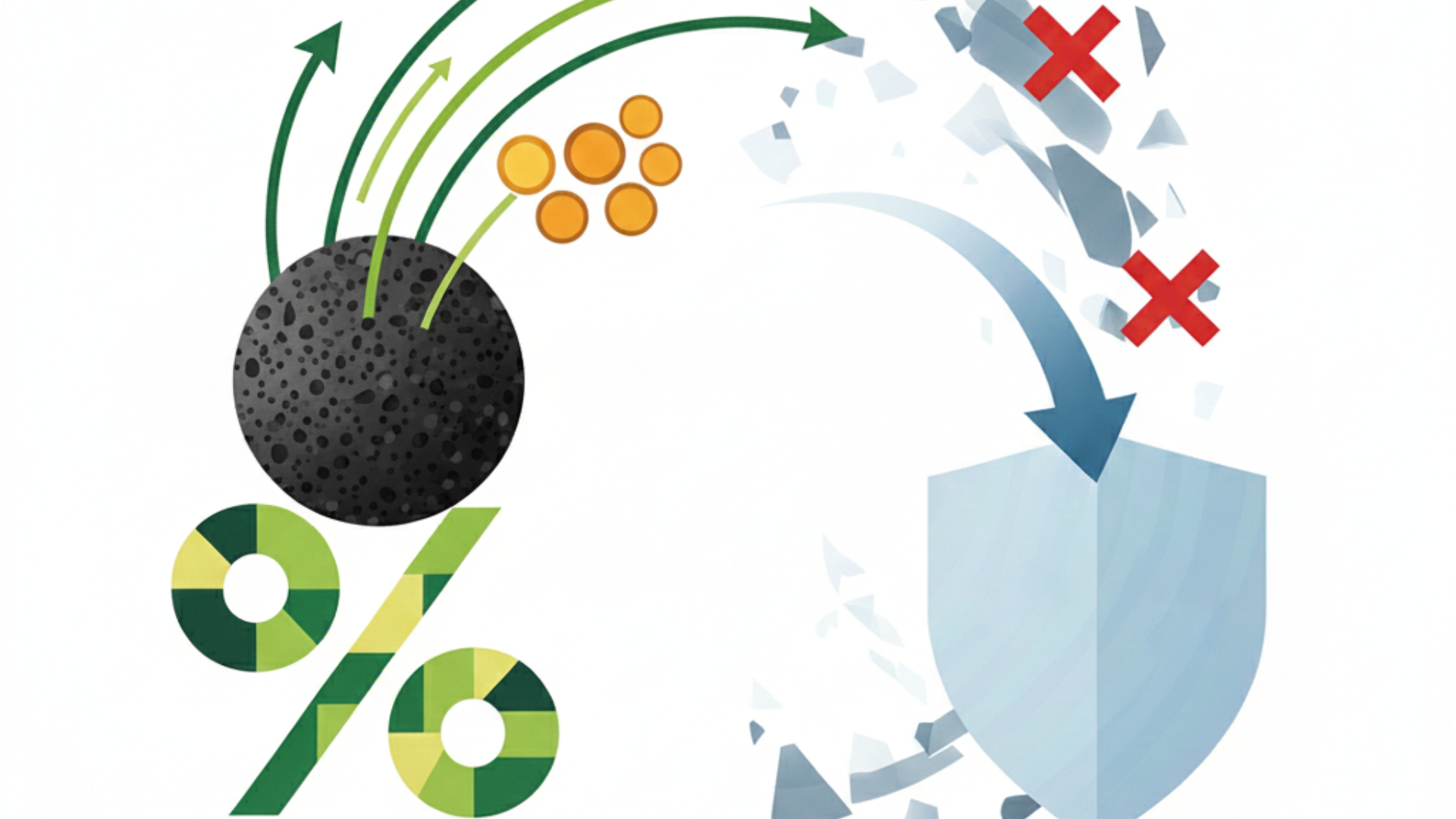
- Engineered biocharBiochar is a carbon-rich material created from biomass decomposition in low-oxygen conditions. It has important applications in environmental remediation, soil improvement, agriculture, carbon sequestration, energy storage, and sustainable materials, promoting efficiency and reducing waste in various contexts while addressing climate change challenges. More can increase crop harvests by an average of sixteen percent over several years by improving soil nutrients and water storage.
- Specialized biochar varieties can trap and remove up to seventy percent of toxic heavy metals like lead from contaminated farmland.
- By acting as a protective home for beneficial soil microbes, biochar reduces plant disease infections by as much as eighty percent.
- Custom-made biochar helps crops survive harsh conditions like extreme heat and drought by keeping the soil moist and cool.
- This sustainable material turns agricultural waste into a powerful tool that captures carbon and protects our food security.
Engineered biochar has recently moved to the forefront of sustainable agriculture as a specialized tool for transforming the soil environment directly surrounding plant roots. In a comprehensive review published in the journal Biochar, Adnan Mustafa, Qudsia Saeed, Xiankai Lu, and a team of international researchers highlight how this carbon-rich material can be customized to solve specific agricultural challenges. Unlike traditional soil additives that follow a general approach, engineered biochars are specifically modified through nutrient enrichment or the addition of beneficial microbes to optimize plant growth and soil health. This precision approach allows farmers to address three major goals at once: increasing the amount of food produced, protecting crops from pests without heavy pesticide use, and cleaning up polluted land.
The findings demonstrate that when biochar is tailored for crop production, it acts as a slow-release sponge that holds onto essential nutrients like nitrogen and phosphorus. This prevents fertilizers from washing away into groundwater and ensures that plants have a steady supply of food throughout their growth cycle. Research shows that these improvements can lead to significant increases in plant size, with some crops showing nearly double the biomassBiomass is a complex biological organic or non-organic solid product derived from living or recently living organism and available naturally. Various types of wastes such as animal manure, waste paper, sludge and many industrial wastes are also treated as biomass because like natural biomass these More compared to those grown in untreated soil. Additionally, the porous nature of biochar improves the physical structure of the soil, making it easier for roots to spread and breathe, which is especially vital in degraded or sandy lands where water disappears quickly.
Beyond simply helping plants grow, engineered biochar serves as a sophisticated defense system against diseases and pests. By providing a safe habitat for helpful bacteria and fungi, biochar increases the population of beneficial microbes that naturally fight off harmful pathogens. In some cases, specialized biochar treatments have reduced soil-borne diseases by more than eighty percent. This happens because the biochar triggers the plant’s own natural immune system, making it stronger and more resilient to attacks. Furthermore, biochar can act as a physical barrier in the soil, slowing down the movement of pests that target roots, which offers an eco-friendly alternative to chemical sprays that can harm the environment.
The review also emphasizes the extraordinary power of biochar in cleaning up toxic environments. For lands contaminated with heavy metals like lead, cadmium, or arsenic, engineered biochar can immobilize these pollutants by more than seventy percent, preventing them from being absorbed by food crops. This process works by trapping toxins within the biochar’s complex internal structure or by changing the soil’s chemistry so that the metals become stuck and harmless. By lowering the toxicity of the soil, biochar helps restore the health of the land, allowing for safe food production in areas that were previously considered unusable due to industrial pollution or mining activities.
Despite these clear benefits, the transition to using engineered biochar on a global scale requires careful planning and local adaptation. The researchers point out that because every farm has different soil types and climates, there is no single type of biochar that works for everyone. Some biochars that are great at trapping pollutants might accidentally hold onto nutrients too tightly, so the recipe must be balanced for each specific site. However, the long-term benefits are substantial, as biochar stays in the soil for hundreds of years, continuing to store carbon and improve fertility. This makes it a key technology for fighting climate change while ensuring that the world can continue to feed its growing population in a sustainable way.
Source: Mustafa, A., Saeed, Q., Lu, X., Farooqi, Z. U. R., Arshad, U., Holatko, J., Wei, W., Mahmood, M., Brtnicky, M., Chen, W., Rebi, A., Ali, M. A., Naveed, M., Kucerik, J., & Ghafoor, A. (2026). Beyond one-size-fits-all: tailoring engineered biochar for purpose-specific rhizosphere engineering in crop production, protection, and soil remediation. Biochar, 8(3).



Leave a Reply