
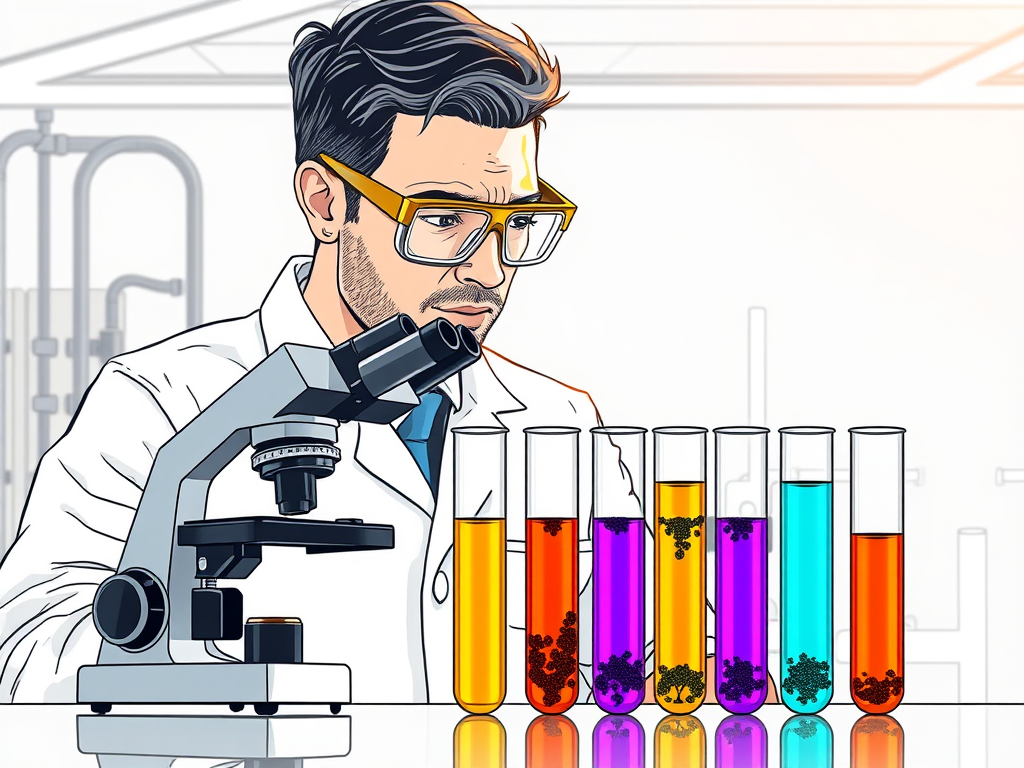
Wastewater treatment is a critical challenge in environmental science and engineering. Traditional methods often struggle to remove persistent pollutants effectively. Catalytic ozonation, a process that uses ozone to oxidize pollutants, offers a promising alternative. A recent review published in the Alexandria Engineering Journal by Zhao explores the use of biocharBiochar is a carbon-rich material created from biomass decomposition in low-oxygen conditions. It has important applications in environmental remediation, soil improvement, agriculture, carbon sequestration, energy storage, and sustainable materials, promoting efficiency and reducing waste in various contexts while addressing climate change challenges. More, enhanced with heteroelements, as a catalyst in this process.
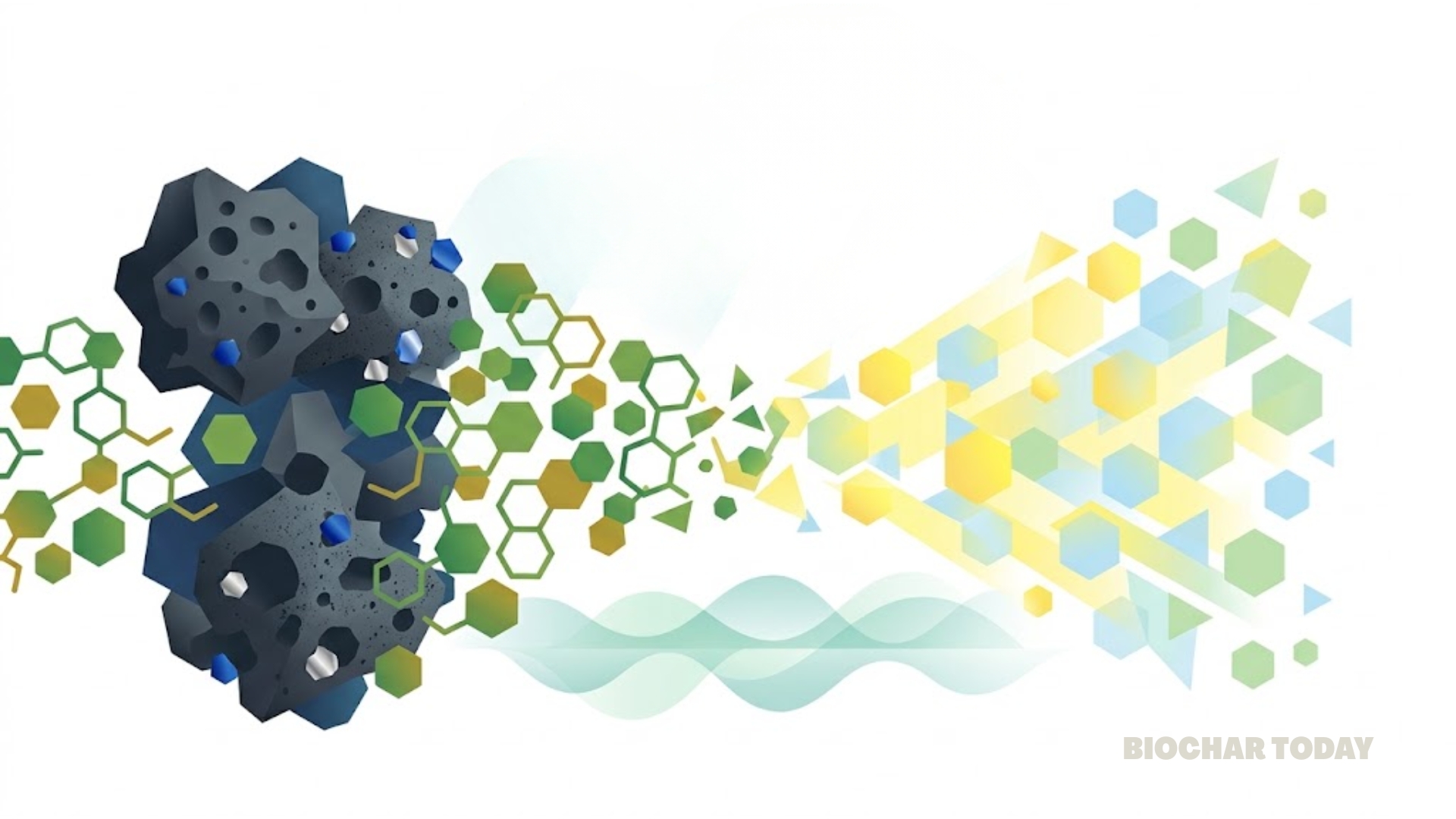
The review focuses on heteroelements-doped biochar and its application in catalytic ozonation for wastewater treatment. Biochar, a carbon-rich material derived from biomassBiomass is a complex biological organic or non-organic solid product derived from living or recently living organism and available naturally. Various types of wastes such as animal manure, waste paper, sludge and many industrial wastes are also treated as biomass because like natural biomass these More, has gained attention for its potential in environmental remediation. Doping biochar with heteroelements, such as metals or nonmetals, can enhance its catalytic activity and performance in ozonation.
The review discusses the types of doping elements and different doping methods, including internal and external doping strategies. External doping, where elements are added to biochar after its production, is widely used. Internal doping, where elements are incorporated during biochar preparation, is highlighted as cost-effective and easy to operate. The study also examines the application and mechanism of catalytic ozonation for the degradation of different pollutants using doped biochar. The review discusses the economic costs of different doping methods and the challenges faced by heteroelements-doped biochar in catalytic ozonation.
This review provides valuable insights into the use of doped biochar in catalytic ozonation for wastewater treatment. The enhanced catalytic activity and performance of doped biochar offer a promising avenue for developing more efficient and sustainable wastewater treatment technologies.
Source: Zhao, R. (2025). A review on the catalytic ozonation of pollutants in wastewater by heteroelements-doped biochar: Internal and external doping strategies. Alexandria Engineering Journal, 119, 35-44.




Leave a Reply