
Key Takeaways
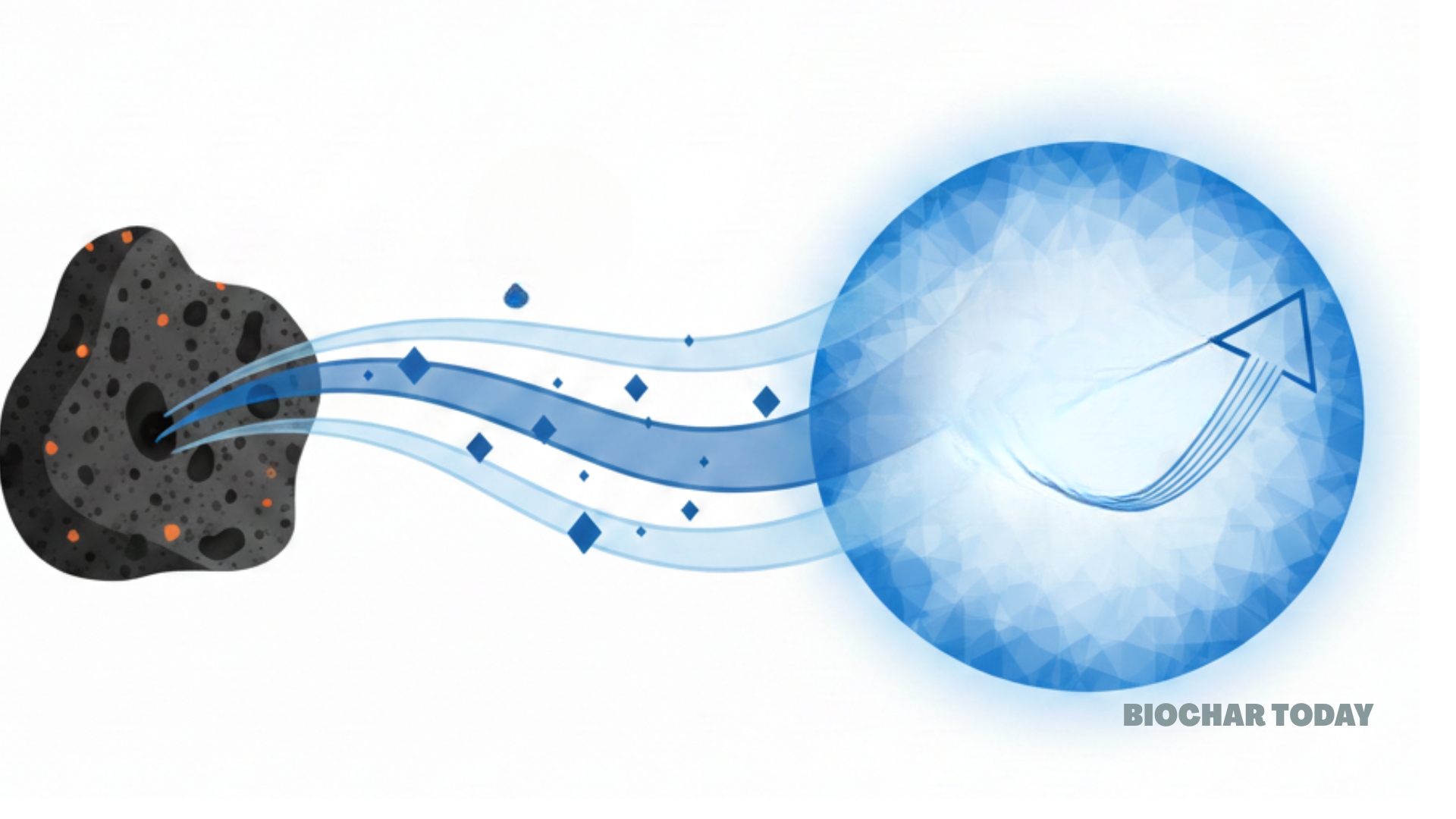
- Maintaining a constant pHpH is a measure of how acidic or alkaline a substance is. A pH of 7 is neutral, while lower pH values indicate acidity and higher values indicate alkalinity. Biochars are normally alkaline and can influence soil pH, often increasing it, which can be beneficial More of 4 significantly boosts the biochar’s ability to clean dye from water compared to letting the pH drift naturally.
- This sustainable adsorbent is made from orange peel waste using energy-efficient microwave technology that takes only minutes to produce.
- The adsorption process is spontaneous and works better at higher temperatures, effectively trapping dye molecules through physical forces.
- Even without expensive chemical activation, this natural biocharBiochar is a carbon-rich material created from biomass decomposition in low-oxygen conditions. It has important applications in environmental remediation, soil improvement, agriculture, carbon sequestration, energy storage, and sustainable materials, promoting efficiency and reducing waste in various contexts while addressing climate change challenges. More removes up to 83 percent of Methylene Blue from contaminated liquids.
- Using agricultural waste like orange peels to treat industrial wastewater supports a circular economy and reduces the environmental footprint of the textile industry.
Water quality management faces growing challenges from the textile industry, which discharges hundreds of thousands of tons of synthetic dyes into the environment every year. Methylene Blue is one of the most common pollutants, known for its high stability and resistance to natural breakdown. A team of researchers at the Universidad Central del Ecuador investigated a sustainable solution by turning orange peel waste into a powerful cleaning agent. Their study, published in Scientific Reports, reveals that the effectiveness of this biochar depends heavily on the acidity of the water being treated. By comparing adsorption under pH-controlled and unregulated conditions, the authors provided a clear quantitative roadmap for optimizing industrial water treatment.
The team produced the biochar using microwave-assisted pyrolysisPyrolysis is a thermochemical process that converts waste biomass into bio-char, bio-oil, and pyro-gas. It offers significant advantages in waste valorization, turning low-value materials into economically valuable resources. Its versatility allows for tailored products based on operational conditions, presenting itself as a cost-effective and efficient More, a modern alternative to traditional furnace heating. This method uses microwave irradiation to heat the orange peels uniformly from the inside out, reducing reaction times from hours to just 15 minutes and lowering energy consumption by 40 to 80 percent. The resulting material retained vital oxygenated functional groups on its surface, which act as “landing pads” for dye molecules. While the orange peel biochar is naturally alkaline with a high point of zero charge, the researchers discovered that the best removal efficiency occurred at a moderately acidic pH of 4. At this specific level, the biochar removed 83 percent of the dye from the solution.
The most significant finding of the study was the dramatic impact of active pH regulation on the total amount of dye the biochar could hold. Under unregulated conditions, where the pH was allowed to drift naturally, the maximum adsorption capacity was 11.24 milligrams per gram. However, when the pH was kept constant at 4, that capacity jumped to 20.57 milligrams per gram—an 83 percent improvement. This suggests that simply controlling the acidity of the treatment tank can nearly double the efficiency of the biochar. The study explained that this improvement is driven by non-electrostatic interactions, such as hydrogen bonding and special molecular “stacking” between the biochar’s carbon structure and the dye molecules.
Thermodynamic analysis further confirmed that the cleaning process is spontaneous and endothermic, meaning it naturally absorbs heat from the surroundings and becomes even more effective as temperatures rise. The forces at work are primarily physical rather than chemical, which often makes the material easier to handle and potentially regenerate for future use. The researchers also noted that the high ashAsh is the non-combustible inorganic residue that remains after organic matter, like wood or biomass, is completely burned. It consists mainly of minerals and is different from biochar, which is produced through incomplete combustion. Ash Ash is the residue that remains after the complete More content of the biochar contributes to its alkaline nature, but the active regulation of pH effectively bypasses any natural repulsion between the biochar and the cationic dye. This detailed mechanistic insight challenges simpler models that rely only on surface charges to predict how well an adsorbent will work.
The practical value of this research lies in its alignment with circular economy principles. By valorizing the 12 million tons of orange peel waste generated annually by the citrus industry, this technology provides a low-cost, high-performance alternative to expensive commercial activated carbons. The study proves that pristine, non-activated biochar is a viable candidate for large-scale wastewater remediation, provided that operators maintain strict control over solution pH. As industrialization continues to pressure global water resources, these findings offer a clear, science-based path toward cleaner industrial processes using abundant agricultural leftovers.
Source: Correa-Abril, J., Cabrera, E. V., Robles, N., López Terán, J. L., & Stahl, U. (2026). Kinetic, equilibrium, and thermodynamic study of Methylene Blue adsorption on orange peel biochar prepared by microwave-assisted pyrolysis. Scientific Reports.



Leave a Reply