
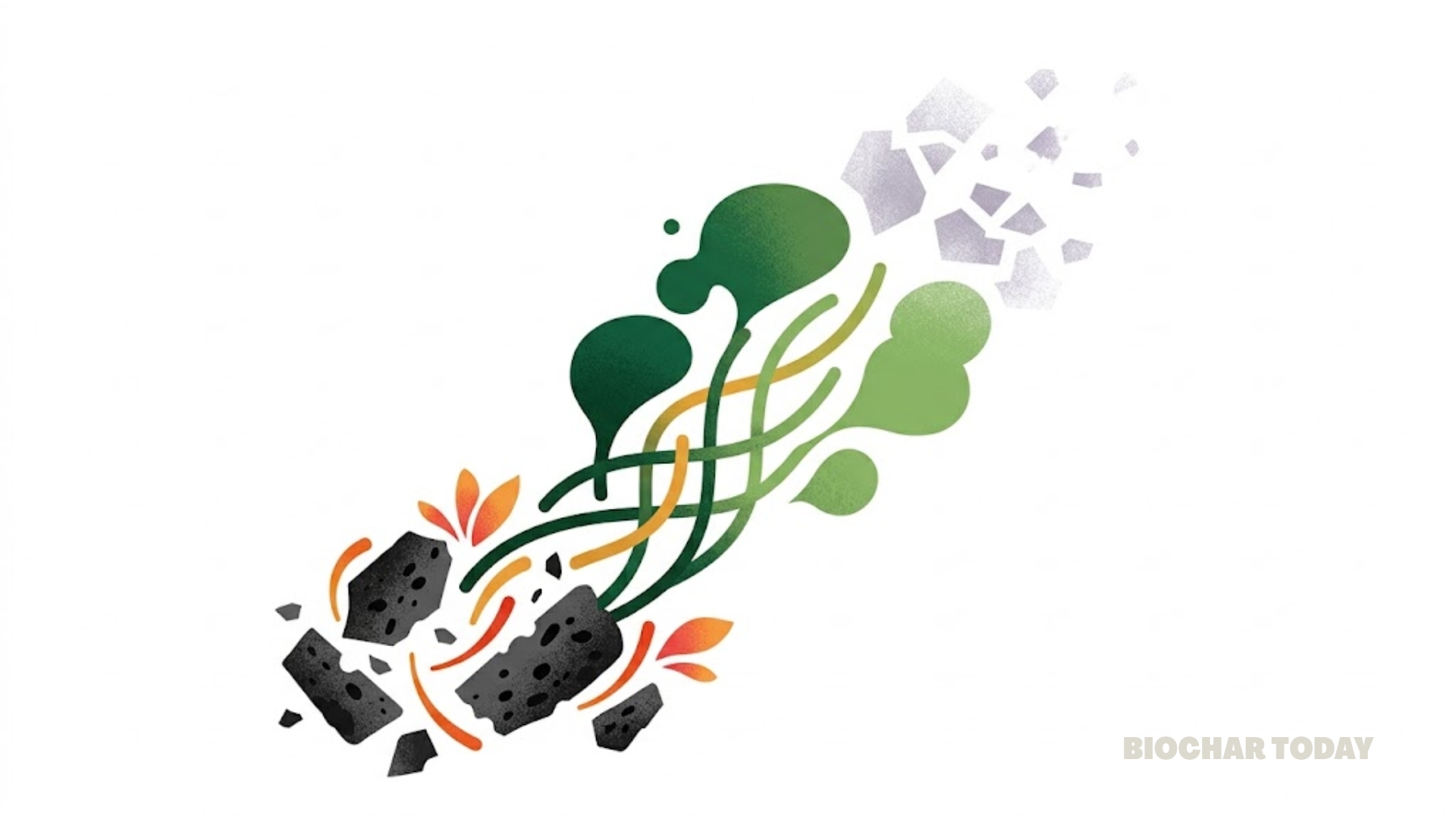
Key Takeaways
- Saffron flower petals and pistachio shell charcoalCharcoal is a black, brittle, and porous material produced by heating wood or other organic substances in a low-oxygen environment. It is primarily used as a fuel source for cooking and heating. More can be mixed into bird feed to help young quails grow faster and healthier.
- Using these natural additives helps the birds develop a stronger digestive system, which allows them to absorb nutrients from their food more effectively.
- This special diet strengthens the immune system of the birds, making them more resilient against common diseases and infections.
- Adding these ingredients to the feed significantly lowers the amount of smelly ammonia gas released from the birds’ waste, making the farm environment cleaner.
- Both saffron petals and pistachio shells are agricultural leftovers, so using them in animal feed is a great way to recycle waste and protect the environment.
In a recent study published in the journal Poultry Science, lead author Omid Zahed and his research team investigated the potential of using two natural agricultural byproducts to revolutionize poultry nutrition. The researchers looked specifically at how saffron petal extract and biocharBiochar is a carbon-rich material created from biomass decomposition in low-oxygen conditions. It has important applications in environmental remediation, soil improvement, agriculture, carbon sequestration, energy storage, and sustainable materials, promoting efficiency and reducing waste in various contexts while addressing climate change challenges. More produced from pistachio byproducts could serve as effective, antibiotic-free growth promoters for Japanese quails. By testing these additives individually and in combination, the team aimed to solve two major challenges in modern farming: the need for natural health boosters and the requirement for more environmentally friendly waste management practices. Their findings suggest that when these two ingredients are used together, they create a powerful effect that is greater than the sum of its parts, leading to noticeable improvements in bird weight and overall physiological health.
The results of the thirty-five-day study demonstrated that quails fed a combination of saffron petals and pistachio biochar achieved a final body weight gain that was significantly higher than those on a standard diet. Beyond just size, the internal health of the birds showed remarkable shifts. The researchers observed that the height of the tiny, finger-like structures in the intestines responsible for absorbing nutrients increased, meaning the birds were physically better equipped to process their feed. This structural improvement was accompanied by a healthier balance of gut bacteria, as the natural compounds helped suppress harmful pathogens like Salmonella and Coliforms while supporting the growth of beneficial bacteria. These changes in the digestive tract directly translated to a more efficient use of resources, which is a primary goal for any sustainable poultry operation.
Furthermore, the study highlighted significant benefits for the birds’ internal defense systems. Quails receiving the combined supplement showed much higher levels of natural antioxidants and protective enzymes in their blood. This means the birds were better protected against oxidative stress, which can often lead to cell damage and reduced growth in intensive farming environments. The researchers also found that the birds’ immune responses were bolstered, with higher levels of essential antibodies circulating in their systems. Interestingly, the diet also had a favorable impact on the birds’ cholesterol levels, reducing unhealthy fats while increasing high-density lipoprotein, which is often referred to as the good cholesterol. This suggests that the additives not only make the birds grow faster but also ensure they are metabolically healthier throughout their development.
One of the most impressive findings of the research was the environmental impact of the new dietary strategy. Modern poultry farms often struggle with high levels of ammonia gas, which can be harmful to both the birds and the workers while also contributing to air pollution. The study revealed that the combination of biochar and saffron extract drastically reduced the amount of ammonia released from the birds’ manure. Biochar acts like a sponge, trapping nitrogen and preventing it from turning into gas, while the saffron extract helps the birds utilize protein more effectively so there is less waste to begin with. This dual action resulted in a cleaner living environment for the quails and a smaller environmental footprint for the farm. By utilizing materials that are usually thrown away, such as saffron petals and pistachio hulls, the researchers have provided a blueprint for a more circular and sustainable agricultural economy.
Source: Zahed, O., Vakili, R., Mokhtarpour, A., Palangi, V., Mohammadi, A., & Iravani, S. (2026). Dietary supplementation of saffron petal extract and biochar synergistically improves performance, gut morphology, antioxidant status, and reduces ammonia emission in Japanese quails (Coturnix coturnix japonica). Poultry Science, 105(2), 106866.

Leave a Reply