
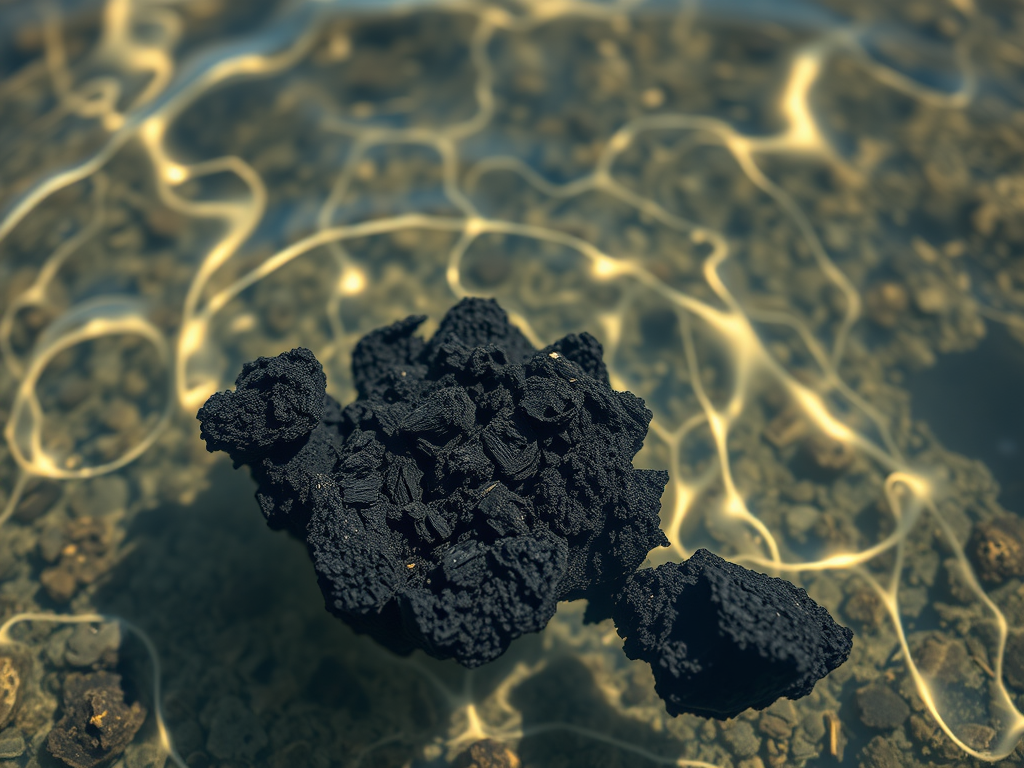
Imagine a world where your nonstick pans, water-resistant jackets, and even your makeup quietly contribute to pollution. That’s the story of PFAS—“forever chemicals” that resist breaking down and have found their way straight into our very cells and also in the water streams. PFAS don’t break down easily, accumulating in water bodies and causing harm to aquatic life, algae, and even human health, with links to high blood pressure in pregnant individuals and reproductive issues. BiocharBiochar is a carbon-rich material created from biomass decomposition in low-oxygen conditions. It has important applications in environmental remediation, soil improvement, agriculture, carbon sequestration, energy storage, and sustainable materials, promoting efficiency and reducing waste in various contexts while addressing climate change challenges. More is the savior as per the study of Chavan et al.
In a groundbreaking review published in CleanMat by researchers Darshana Chavan and colleagues, biochar emerges as a promising, eco-friendly solution to PFAS contamination. Biochar, a carbon-rich material made from biomassBiomass is a complex biological organic or non-organic solid product derived from living or recently living organism and available naturally. Various types of wastes such as animal manure, waste paper, sludge and many industrial wastes are also treated as biomass because like natural biomass these More waste, boasts a highly porous structure and surface chemistry that make it effective for trapping PFAS. Recent studies show that biochar can remove up to 99.7% of PFAS when modified with treatments like acid washing or metal nanoparticle infusion. Biochar’s secret in PFAS removal? Its highly porous structure and special surface chemistry, which help it trap PFAS effectively.
However, Biochar Today offers critical suggestions for the future. While biochar is promising, challenges like sustainable large-scale production and understanding its long-term environmental impacts remain. With continued research and careful implementation, biochar could play a pivotal role in mitigating PFAS contamination and ensuring cleaner water. This effort by Chavan and her team represents an important step toward greener, safer solutions to one of our most persistent environmental challenges.
But there’s more! Scientists are using machine learning models to optimize biochar’s PFAS-removal efficiency. These models analyze how production techniques and environmental factors impact its performance, making biochar solutions even more precise and scalable. The researchers emphasize the importance of further studies across diverse water systems and continued innovation in biochar modification techniques.
SOURCE: Chavan, Darshana, et al.,(2024). Biochar Adsorption: A Green Approach to PFAS Contaminant Removal. CleanMat . https://doi.org/10.1002/clem.16





Leave a Reply