
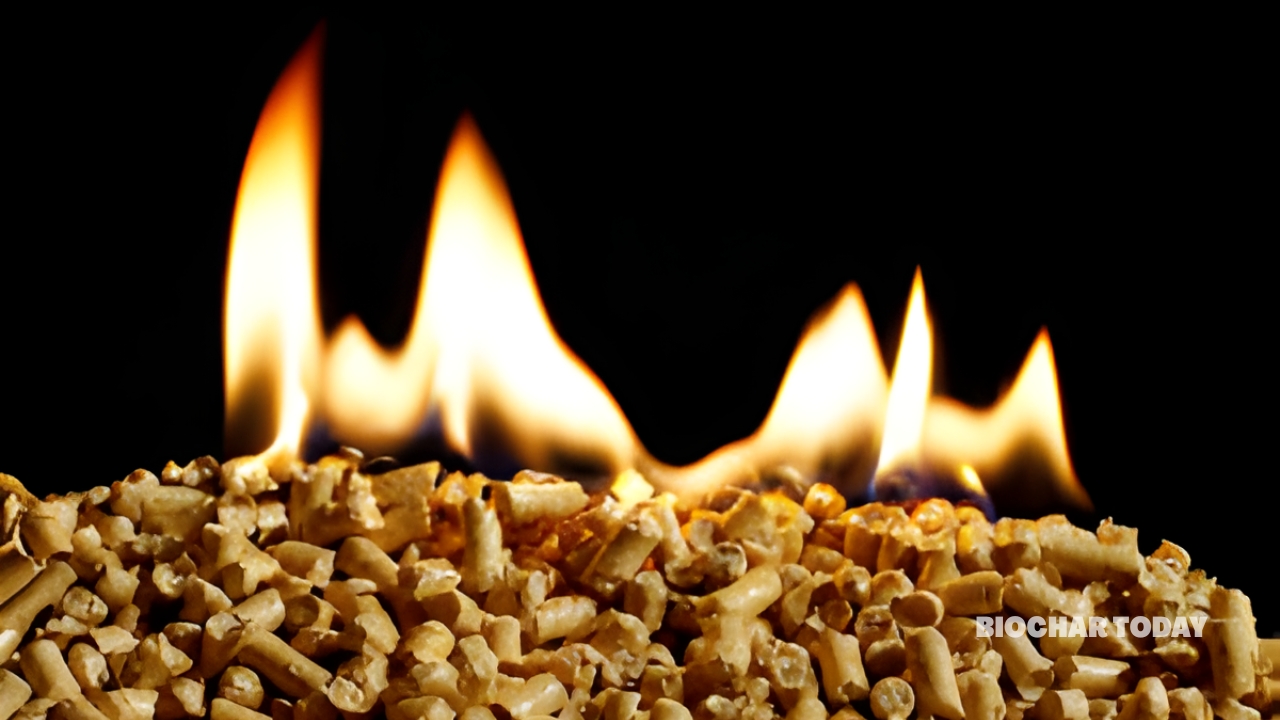
The Carbon Business Council has officially announced the launch of the Direct Storage of Biomass (DSB) Coalition, a specialized industry working group based in the United States. This new initiative brings together seventeen founding member organizations—including project developers, technology providers, and verifiers such as Graphyte, Isometric, Puro.earth, and Vaulted Deep—to advance the credibility and deployment of direct biomassBiomass is a complex biological organic or non-organic solid product derived from living or recently living organism and available naturally. Various types of wastes such as animal manure, waste paper, sludge and many industrial wastes are also treated as biomass because like natural biomass these More storage as a legitimate carbon dioxide removal pathway. By focusing on the durable sequestration of organic materials like waste wood, agricultural residues, and biocharBiochar is a carbon-rich material created from biomass decomposition in low-oxygen conditions. It has important applications in environmental remediation, soil improvement, agriculture, carbon sequestration, energy storage, and sustainable materials, promoting efficiency and reducing waste in various contexts while addressing climate change challenges. More, the coalition aims to establish a unified front for a sector that has previously operated through disparate individual projects.
The primary challenge addressed by the coalition is the lack of standardized frameworks and shared industry outcomes for terrestrial biomass storage. Until now, companies working on the sequestration of plant matter have often functioned in isolation, facing common hurdles related to measurement, reporting, and verification (MRV) standards. This fragmentation has made it difficult for carbon credit buyers and policymakers to evaluate the long-term efficacy and reliability of direct storage methods compared to more established carbon removal technologies.
To solve these issues, the coalition will serve as a collaborative forum for developing shared standards and aligning policy goals. Chaired by Keith Driver of Leading Carbon / Clear Sky Limited, the group provides a platform for technology experts and project developers to coordinate on technical challenges and public engagement. The strategy emphasizes leveraging existing forestry and agricultural infrastructure to lock carbon out of the active cycle by safely burying organic residues or storing them in sealed underground reservoirs and wells.
The expected outcomes of this collaborative effort include increased transparency and the creation of a unified carbon removal ecosystem. By shifting the focus from individual ventures to collective industry performance, the coalition intends to help the DSB pathway scale rapidly and responsibly. Furthermore, integrating these projects into broader land-management strategies is projected to provide secondary benefits such as reduced wildfire risk, ecosystem restoration, and the creation of new economic opportunities for local communities.



Leave a Reply