
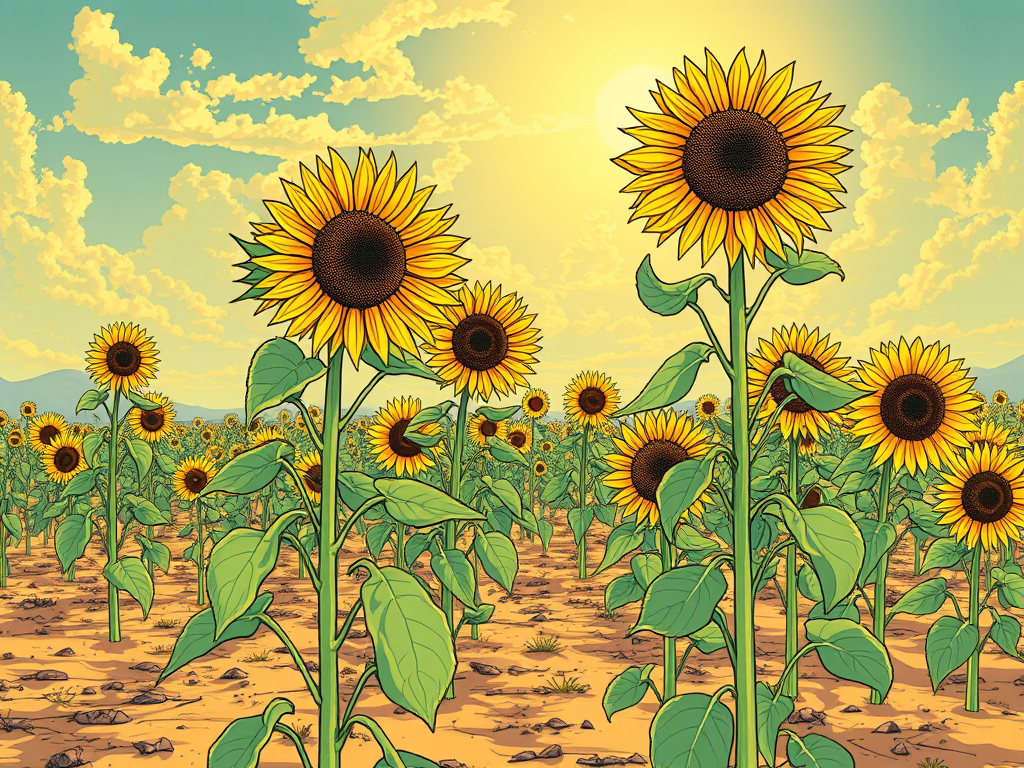
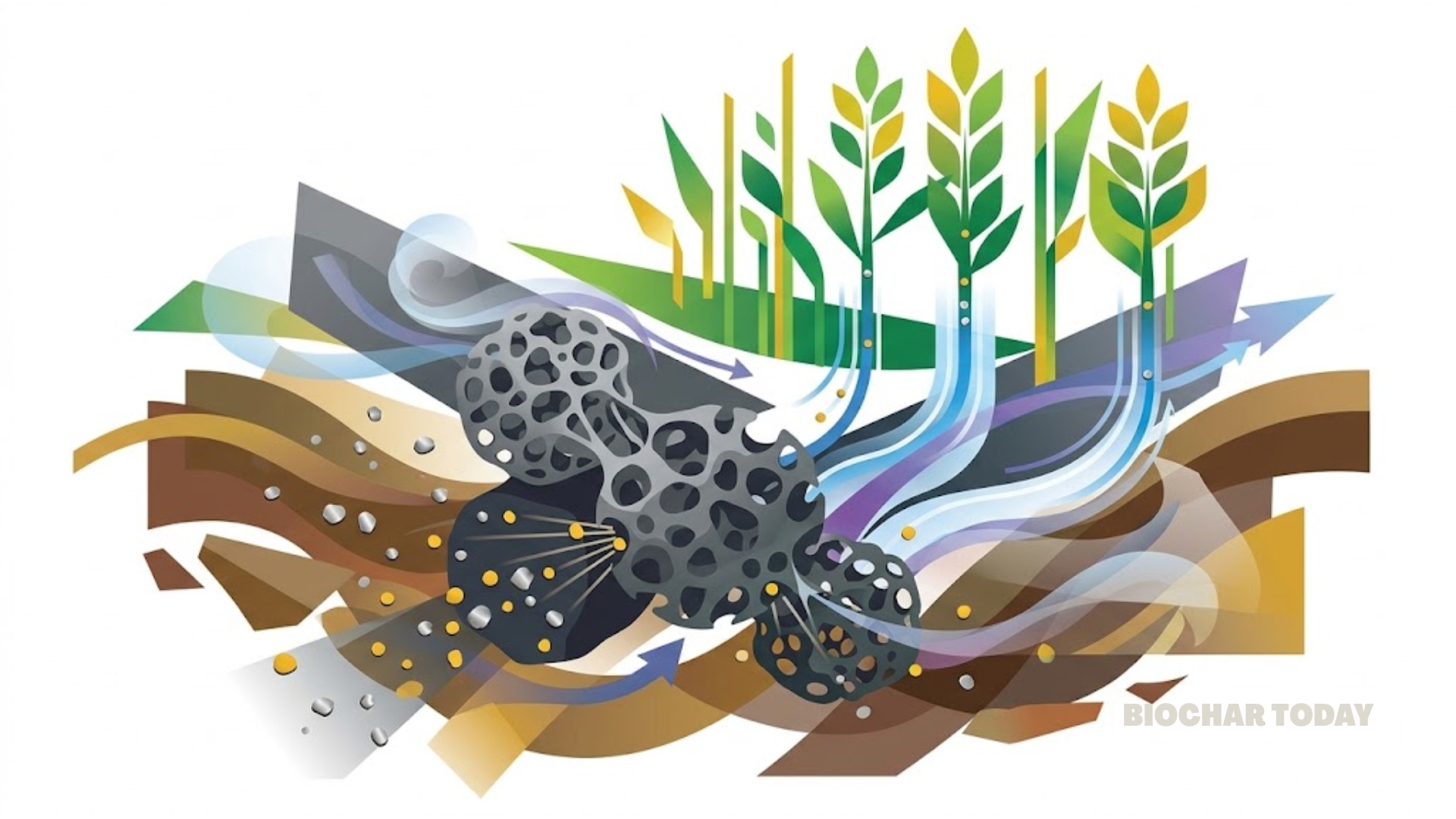
In a study published in Frontiers in Plant Science, Hussain et al., explored how biocharBiochar is a carbon-rich material created from biomass decomposition in low-oxygen conditions. It has important applications in environmental remediation, soil improvement, agriculture, carbon sequestration, energy storage, and sustainable materials, promoting efficiency and reducing waste in various contexts while addressing climate change challenges. More and slow-release nitrogen fertilizers can help sunflowers thrive under drought stress. The researchers aimed to address the problems caused by drought and overuse of nitrogen fertilizers in agriculture.
They conducted a two-year field study using a randomized complete block design with three replicates. The treatments included two irrigation conditions (normal and drought stress), two biochar treatments (with and without biochar), and three types of slow-release nitrogen fertilizers (zinc-coated urea, sulfur-coated urea, and non-coated simple urea). The study revealed that drought stress reduced plant height, stem diameter, and achene yield, while it increased antioxidant activity in the plants. However, biochar application mitigated the negative impacts of drought, increasing plant height and achene yield under stress. Among the slow-release nitrogen fertilizers, zinc-coated urea was the most effective, improving photosynthetic rate, chlorophyll content, and achene yield in drought-stressed plants. The combination of biochar and zinc-coated urea enhanced soil health, water retention, and nutrient efficiency, leading to better plant growth and yield.
This research highlights the potential of biochar and slow-release nitrogen fertilizers, particularly zinc-coated urea, to improve sunflower production under drought stress. These sustainable practices can help in developing better crop nutrient management strategies and alleviating drought stress in an environmentally friendly manner.
Source: Hussain S. Khan M, Altaf MT, Shah MN and Alfagham AT (2025) Deciphering the morpho-physiological and biochemical response of sunflower hybrids with the application of biochar and slow-release nitrogen fertilizers under drought stress for sustainable crop production. Front. Plant Sci 16:1541123. doi: 10.3389/fpls.2025.1541123


Leave a Reply