
Key Takeaways
- Ground up cow bones can be turned into biocharBiochar is a carbon-rich material created from biomass decomposition in low-oxygen conditions. It has important applications in environmental remediation, soil improvement, agriculture, carbon sequestration, energy storage, and sustainable materials, promoting efficiency and reducing waste in various contexts while addressing climate change challenges. More that cleans up polluted soil.
- This material acts like a sponge to soak up toxic metals so they cannot harm plants or people.
- The cleaning process works well even when multiple different types of pollution are present at once.
- Using this bone-based material is an environmentally friendly way to fix contaminated farmland.
- The treatment remains effective for at least six months after it is added to the ground.
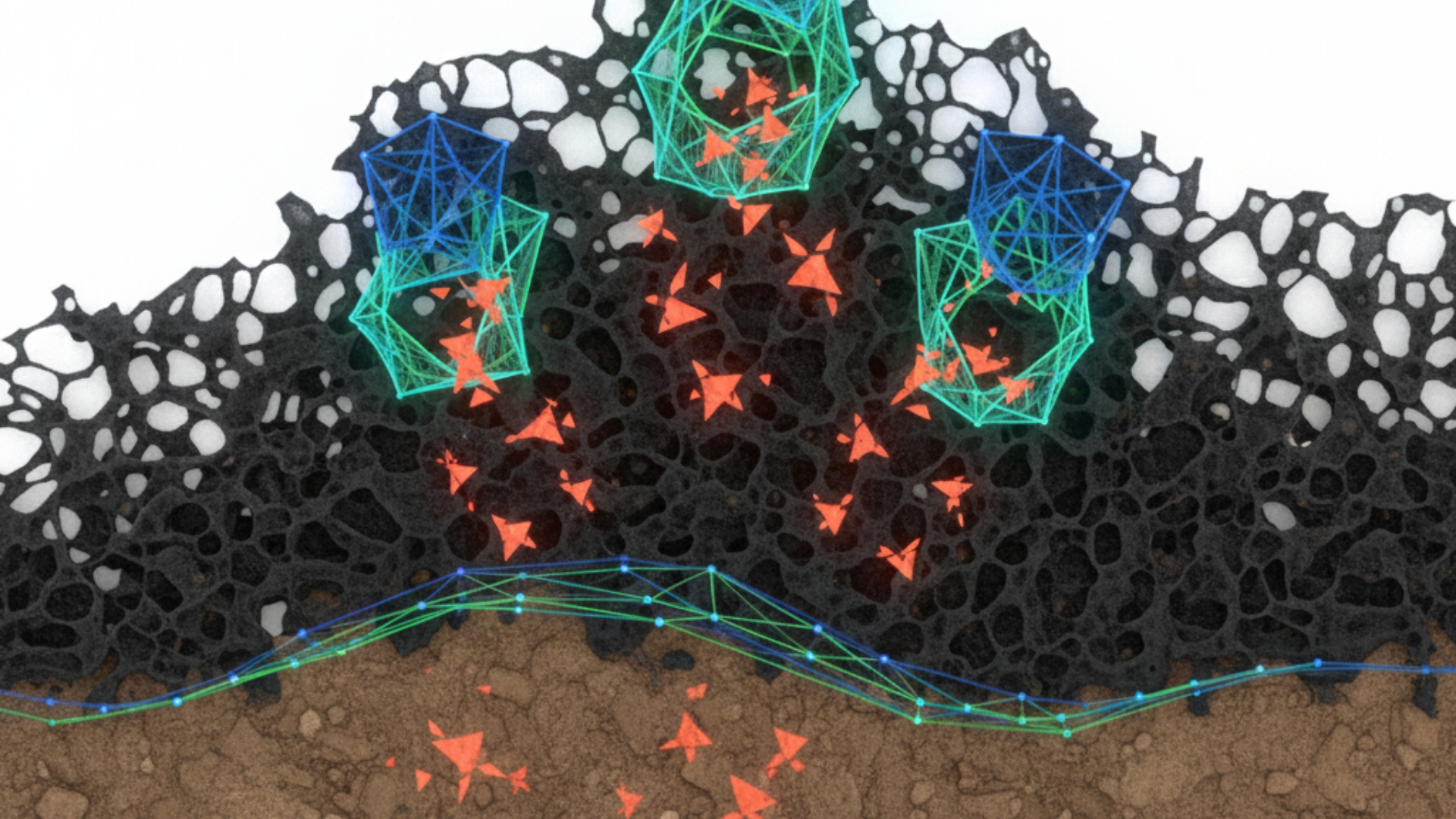
In a recent research article published in Research Square, authors Sobhan Mohamadi, Ghasem Rahimi, Abolfazl Khademi-Jolgeh Nezhad, M. Mirari Antxustegi, and Maria Gonzalez Alriols investigated the power of bone-derived biochar to tackle heavy metal pollution. Their work specifically addresses cadmium, a dangerous element that frequently finds its way into the food chain through contaminated soil and water. By transforming waste cow bones into stable carbon-rich biochar through pyrolysisPyrolysis is a thermochemical process that converts waste biomass into bio-char, bio-oil, and pyro-gas. It offers significant advantages in waste valorization, turning low-value materials into economically valuable resources. Its versatility allows for tailored products based on operational conditions, presenting itself as a cost-effective and efficient More, the team discovered a sustainable method for locking these toxins away in a form that plants can no longer absorb.
The core findings of this investigation suggest that adding bone biochar to calcareous or alkaline soils significantly alters how cadmium behaves over time. In untreated soil, the amount of cadmium that is easily dissolved in water and available for plant uptake actually increases over several months. However, when the soil is amended with five to seven percent bone biochar, the mobile and dangerous portion of the metal is cut in half. This immobilization is a critical discovery for environmental safety, as it suggests that waste products from the food industry can be repurposed to safeguard our agricultural land.
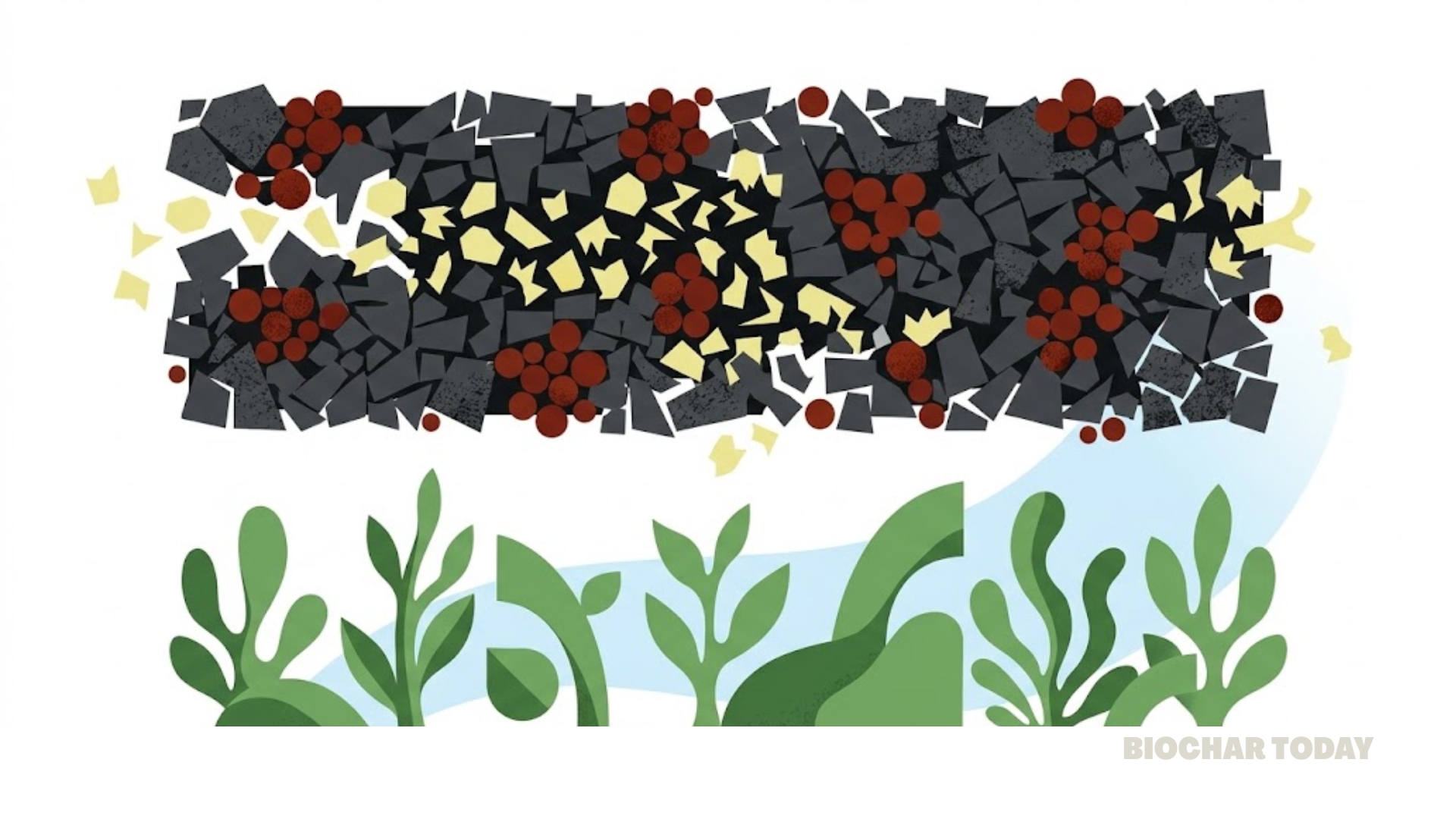
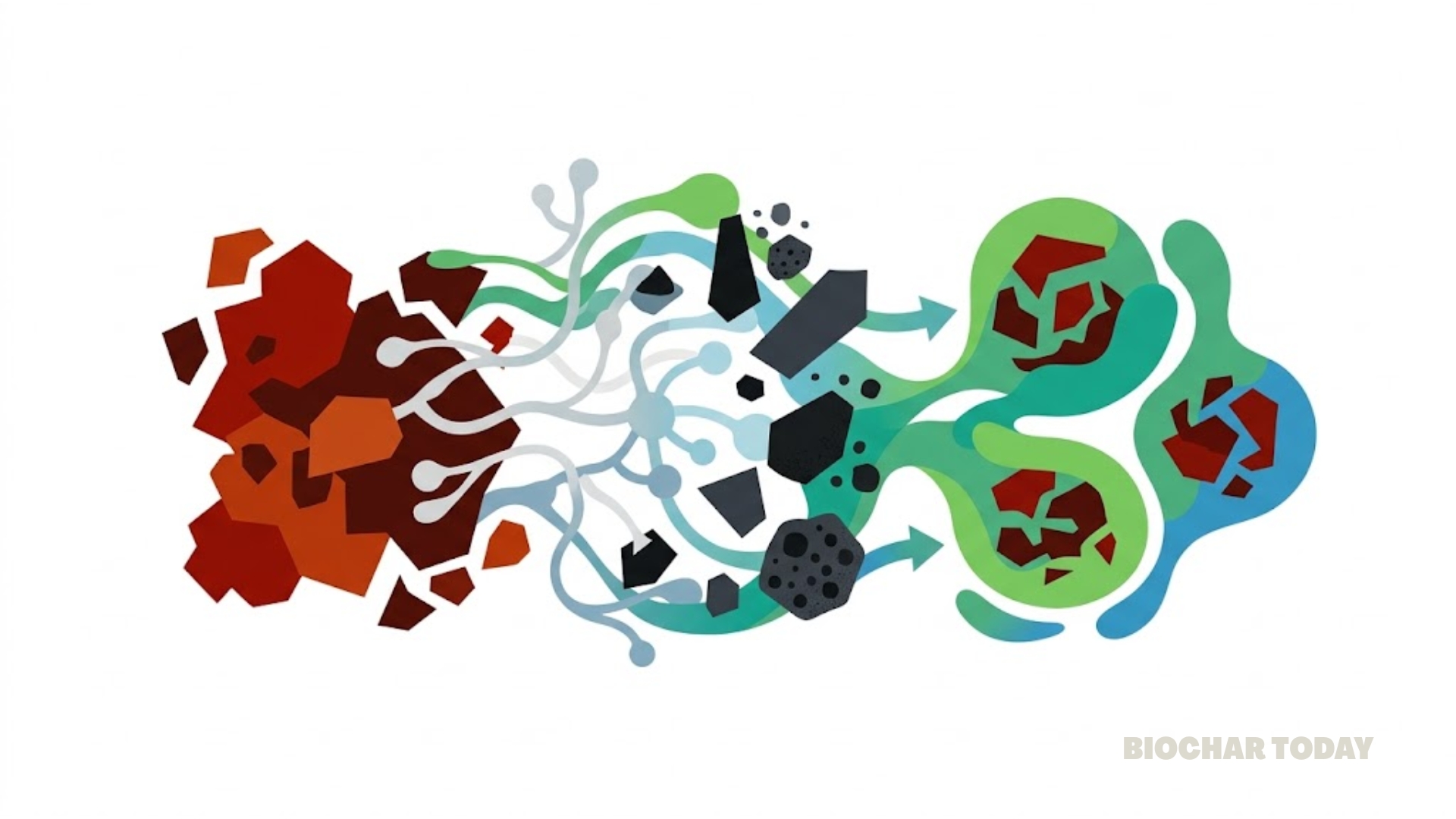
Beyond simply looking at how much cadmium stayed put, the researchers explored the capacity of the soil to handle new pollution. They found that soil treated with bone biochar could absorb nearly three times as much cadmium as regular soil. This remains true even in complex environments where other metals like lead, nickel, and copper are competing for the same space. The study highlighted that the internal structure of the biochar, which is rich in phosphorus and calcium, provides a variety of chemical hooks that latch onto toxic ions. These mechanisms, primarily driven by cation exchange, ensure that the cadmium remains trapped on the surface of the biochar particles rather than leachingLeaching is the process where nutrients are dissolved and carried away from the soil by water. This can lead to nutrient depletion and environmental pollution. Biochar can help reduce leaching by improving nutrient retention in the soil. More into the surrounding environment.
A particularly interesting aspect of the results involves the comparison between raw bone powder and the charred biochar. While both materials showed a high affinity for cadmium, the charred version offers a more stable long-term solution. The pyrolysis process creates a highly porous structure that increases the surface area available for chemical reactions. Although the team also tested an activated version of the biochar using zinc chloride, they found that the standard biochar was actually more efficient for cadmium removal because the activation process inadvertently filled up the available spots with zinc, leaving less room for the cadmium to be captured.
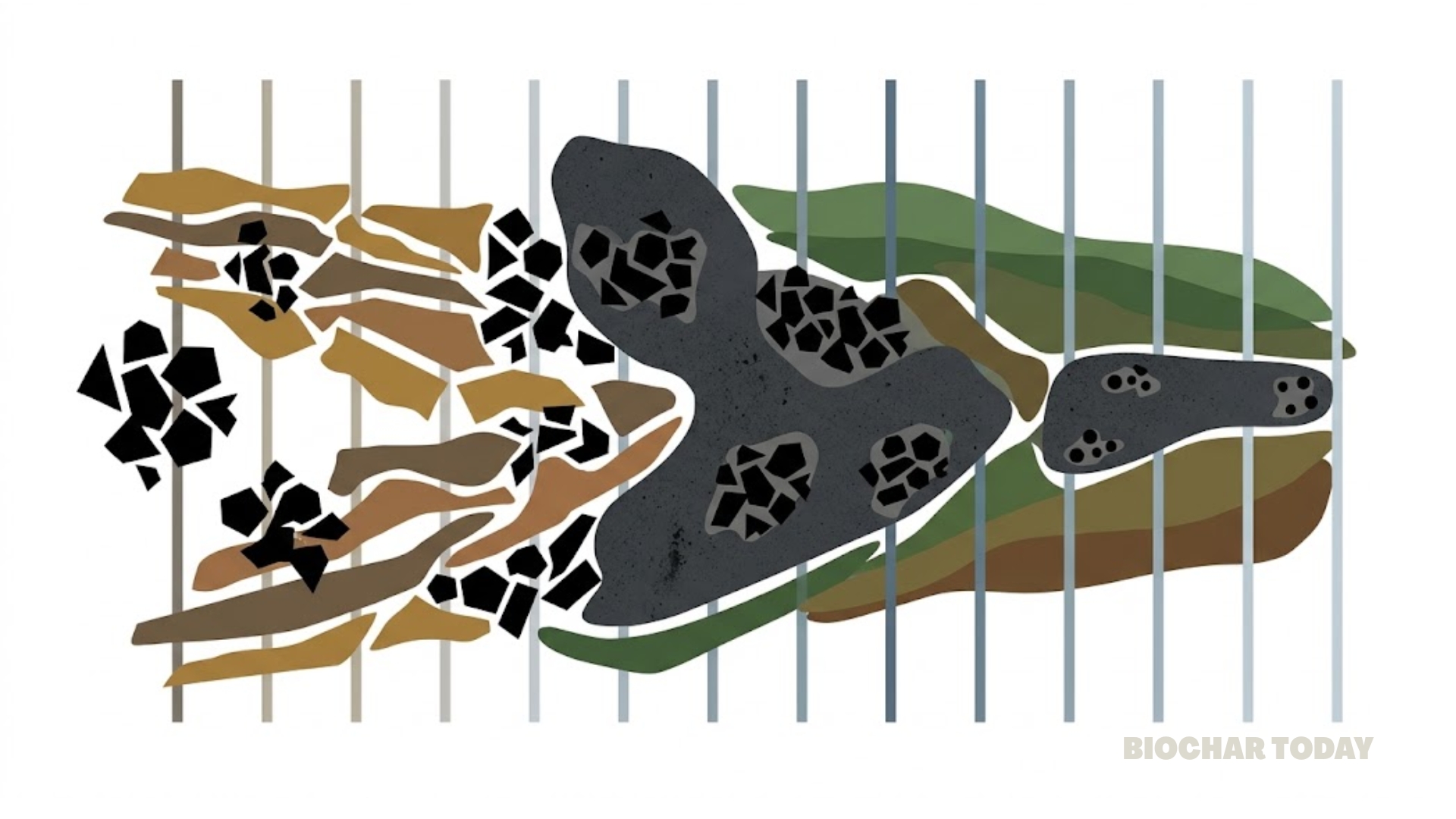
Ultimately, the research provides a clear roadmap for remediating alkaline soils that have been damaged by industrial or mining activities. By utilizing cow bone biochar, land managers can achieve a ten percent reduction in the overall mobility factor of cadmium within half a year. This reduction is vital because even small amounts of cadmium can be hazardous if they are allowed to migrate into crops. The ability of this amendment to function as a powerful buffer in real-world soil conditions marks a significant step forward in our efforts to develop cost-effective and natural technologies for environmental restoration.
Source: Mohamadi, S., Rahimi, G., Khademi-Jolgeh Nezhad, A., Antxustegi, M. M., & Alriols, M. G. (2025). Investigation of adsorption mechanisms in competitive and non-competitive systems: Cadmium immobilization in contaminated calcareous soil amended with bone-derived biochar. Research Square.


Leave a Reply