

Key Takeaways
- Scientists have created a way to turn everyday waste like fruit peels and wood into advanced materials that use sunlight to clean polluted water.
- These natural materials can break down tough chemicals like antibiotics and industrial dyes, removing up to ninety-nine percent of contaminants in under an hour.
- By recycling biological waste, this technology provides a cheaper and more sustainable alternative to traditional water treatment methods that use fossil fuels.
- The new materials are very stable and can be cleaned and reused multiple times without losing their ability to purify water.
- These “green” cleaners are safe for the environment and help protect aquatic life by destroying harmful toxins before they enter our rivers and oceans.
Freshwater reserves across the globe are facing extreme pressure due to industrial pollution, making the development of sustainable cleaning technologies more urgent than ever. A comprehensive review published in the journal Carbon Neutralization by Jagadis Gautam, Amol M. Kale, Jishu Rawal, Pooja Varma, Seung Jun Lee, Seul-Yi Lee, and Soo-Jin Park highlights a breakthrough in using biological waste to create advanced water purification tools. These researchers found that materials derived from plants, animals, and even urban organic waste can be transformed into powerful “photocatalysts.” These are substances that use the energy from light to trigger chemical reactions that tear apart dangerous pollutants. Unlike traditional methods that may simply move pollution from one place to another, these biomass-based cleaners can completely break down toxins into harmless substances like water and carbon dioxide.
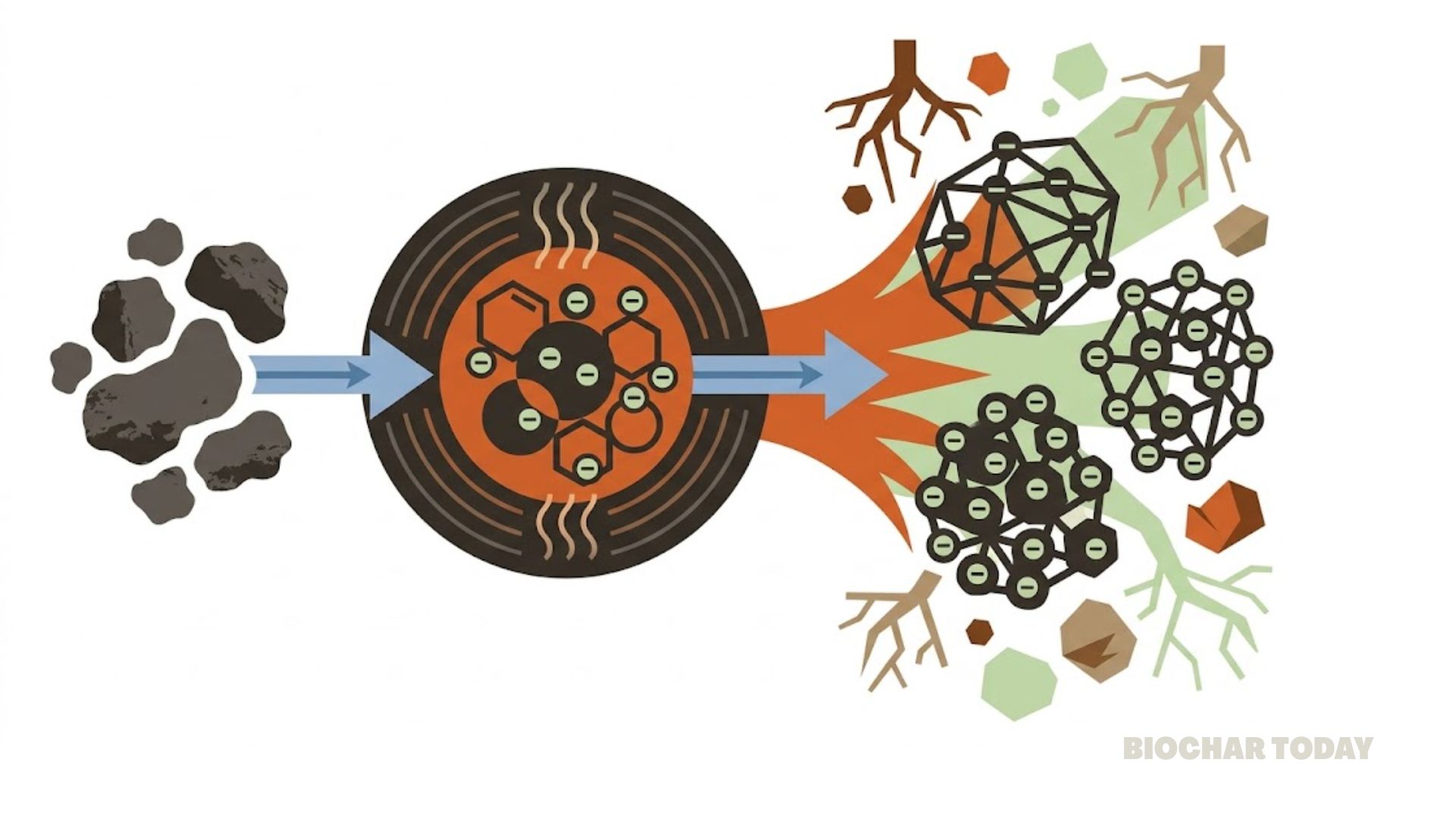
The findings show that these natural materials are exceptionally good at tackling “persistent organic pollutants,” which are chemicals that normally stay in the environment for a long time without breaking down. For example, the study notes that when carbon made from simple biological sources is combined with specific minerals, the resulting composite can remove 97.27% of common industrial dyes in just 50 minutes. Even more impressive is the technology’s ability to handle modern medicine residues. In testing, these materials cleared 96.19% of the pharmaceutical drug diclofenac from water within two hours. This represents a massive leap forward for wastewater treatment plants that currently struggle to remove these microscopic but harmful drug traces. The secret to this success lies in the way the carbon captures the pollutants on its surface while the light-activated minerals deliver a “chemical punch” to destroy them.
Sustainability is a major highlight of this research, as it offers a way to upcycle millions of tons of waste that would otherwise end up in landfills. The leather industry, for instance, creates over a million tons of protein-rich waste every year that can now be turned into these high-tech cleaning materials. The study points out that because these materials are made from natural sources like tea leaves, wood, and nut shells, they are much cheaper to produce than standard industrial catalysts. Furthermore, they are far better for the environment because they do not rely on fossil fuels. The researchers also found that these materials can be magnetically recovered from the water after use and recycled for multiple cleaning cycles, which keeps costs low and prevents new waste from being created.
The study also explores how these materials can be “tuned” to work better under natural sunlight. Most traditional water cleaners only work under harsh ultraviolet light, which makes up only a tiny fraction of the sun’s energy. However, by adding natural elements like nitrogen or phosphorus to the biomassBiomass is a complex biological organic or non-organic solid product derived from living or recently living organism and available naturally. Various types of wastes such as animal manure, waste paper, sludge and many industrial wastes are also treated as biomass because like natural biomass these More carbon, the scientists were able to make the materials responsive to regular visible light. This means that in the future, these systems could clean large bodies of water using nothing but the power of the sun. The research demonstrated that these modified materials can achieve nearly 100% removal of certain pesticides and herbicides, which are major threats to aquatic ecosystems. By enhancing the way the materials catch and use light, the researchers have created a tool that is both highly powerful and incredibly energy-efficient.
Safety is another critical finding of the manuscript. Many existing nanotechnology treatments raise concerns about whether the cleaning particles themselves might be toxic to fish or humans. However, this study included biocompatibility tests using zebrafish embryos, which confirmed that these biomass-derived cleaners have minimal toxicity. This “eco-safe” profile makes them much more suitable for large-scale use in natural environments like rivers or lakes. The researchers conclude that by combining materials science with environmental engineering, we can create a future where our waste becomes the primary tool for protecting our water. While there are still steps to take before this moves from the lab to every city’s water system, the high performance and low cost of these natural photocatalysts mark them as a cornerstone for next-generation green technology.
Source: Gautam, J., Kale, A. M., Rawal, J., Varma, P., Lee, S. J., Lee, S. Y., & Park, S. J. (2026). Biomass-derived carbon photocatalysts for organic pollutant degradation: Strategies and perspectives. Carbon Neutralization, 5, e70109.



Leave a Reply