
Key Takeaways
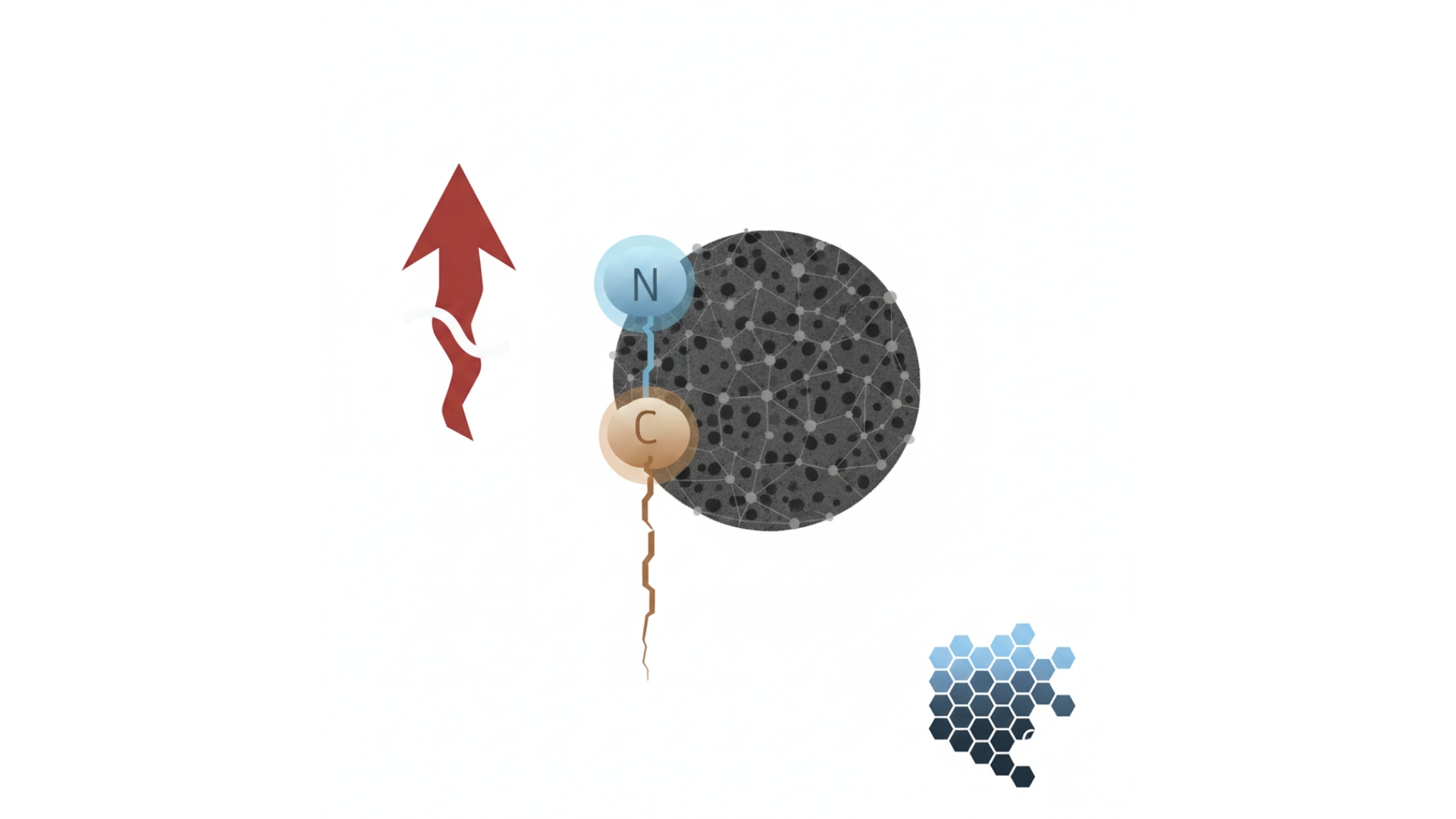
- Adding biocharBiochar is a carbon-rich material created from biomass decomposition in low-oxygen conditions. It has important applications in environmental remediation, soil improvement, agriculture, carbon sequestration, energy storage, and sustainable materials, promoting efficiency and reducing waste in various contexts while addressing climate change challenges. More to organic waste piles significantly lowers the release of smelly odors and harmful greenhouse gases during the composting process
- Using biochar helps keep valuable nutrients like nitrogen inside the compost instead of letting them escape into the air as ammonia.
- Biochar improves the flow of air and oxygen within the waste mixture, which prevents the buildup of gases that contribute to global warming.
- High porosityPorosity of biochar is a key factor in its effectiveness as a soil amendment and its ability to retain water and nutrients. Biochar’s porosity is influenced by feedstock type and pyrolysis temperature, and it plays a crucial role in microbial activity and overall soil health. Biochar More and a large surface area allow biochar to act like a sponge, soaking up pollutants before they leave the composting site.
- Most current research happens in small laboratories, so more large-scale testing is needed to prove how well biochar works in real-world waste facilities.
The journal Processes featured a critical review by authors Elena Olivera-Begue, Daniel Gonzalez, and Antoni Sanchez regarding the strategic use of biochar in organic waste management. As the global community seeks better ways to handle organic refuse, biotechnological solutions like composting are becoming essential for a circular economy. However, large-scale composting often faces challenges from the release of greenhouse gases and foul odors. Biochar has emerged as a high-performance additive capable of addressing these environmental drawbacks while simultaneously improving the quality of the final organic fertilizer.
One of the most significant findings of this review is biochar’s ability to trap ammonia, which is the primary gas emitted during the composting process. Studies show that biochar can reduce ammonia emissions by a range of ten to sixty percent depending on the specific mixture used. This reduction is vital because losing ammonia not only creates an odor nuisance for nearby communities but also strips the compost of nitrogen, which is a key nutrient for healthy plants. By acting as a sorbent, biochar holds onto these nitrogen compounds, ensuring that the finished compost remains a high-quality substitute for expensive mineral fertilizers.
In addition to odor control, biochar plays a crucial role in mitigating powerful greenhouse gases like methane and nitrous oxide. Methane typically forms in “cold spots” or anaerobic zones within a compost pile where oxygen cannot reach. Because biochar is highly porous, adding it to the waste mixture increases the overall air space and improves oxygen transport. This physical change makes it much harder for methane-producing bacteria to survive, leading to a substantial decrease in the carbon footprint of the waste treatment facility. While the impact on nitrous oxide is more complex due to its intricate biological formation, biochar helps complete the nitrogen cycle more efficiently, often preventing the release of this potent gas.
The effectiveness of biochar as a mitigation tool stems from its unique physical and chemical properties. It possesses a vast surface area and high ion exchange capacity, allowing it to function similarly to activated carbonActivated carbon is a form of carbon that has been processed to create a vast network of tiny pores, increasing its surface area significantly. This extensive surface area makes activated carbon exceptionally effective at trapping and holding impurities, like a molecular sponge. It is commonly More. These traits enable it to soak up a wide variety of volatile organic compounds, which are often responsible for the complex smells associated with waste decomposition. Beyond acting as a physical filter, biochar also influences the microbial community within the compost. It can provide a stable habitat for beneficial bacteria that break down organic matter more effectively, further speeding up the stabilization of the waste.
Despite these promising results, the review highlights several hurdles that must be cleared before biochar becomes a standard ingredient in commercial composting. There is currently a lack of consensus on the optimal dosage, with researchers using vastly different ratios that make it difficult to compare results across different studies. Furthermore, most existing data comes from small-scale laboratory experiments rather than full-scale industrial facilities. Moving forward, the focus must shift toward large-scale trials and standardized reporting to ensure that the environmental and economic benefits of biochar are fully realized and reproducible in the global waste management industry.
Source: Olivera-Begué, E., González, D., & Sánchez, A. (2025). A critical review of the role of biochar in mitigating atmospheric emissions during the composting of organic waste. Processes, 14(1), 71.




Leave a Reply