
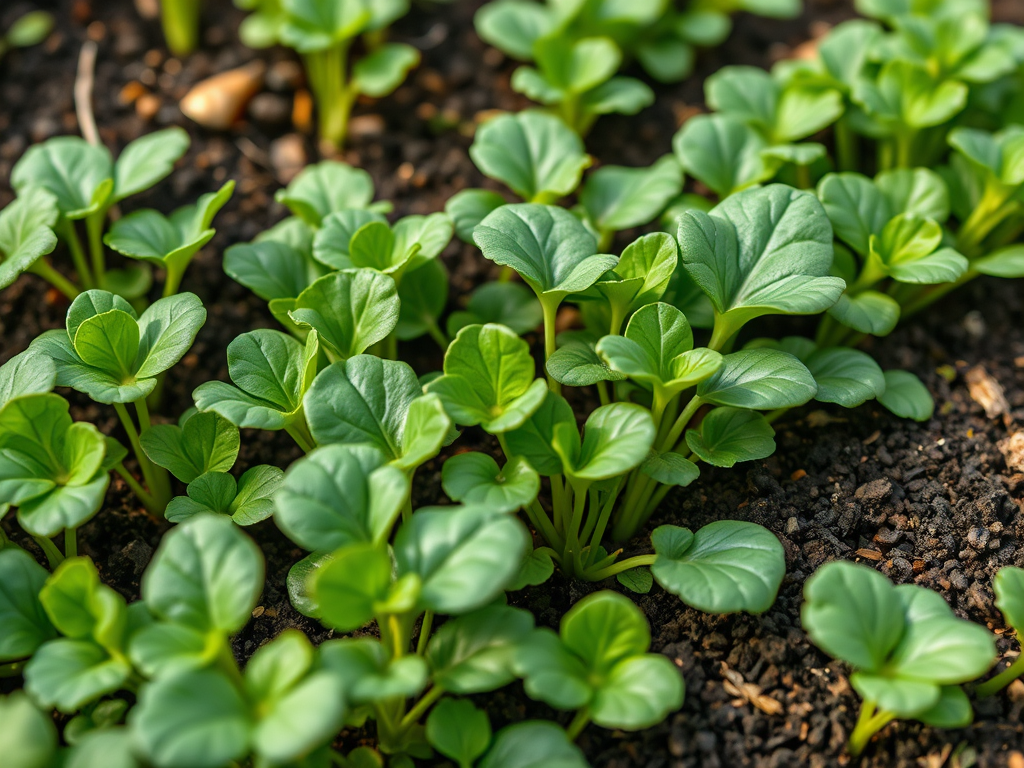
Bini et al., in their study published in Agriculture, investigated the effects of incorporating biocharBiochar is a carbon-rich material created from biomass decomposition in low-oxygen conditions. It has important applications in environmental remediation, soil improvement, agriculture, carbon sequestration, energy storage, and sustainable materials, promoting efficiency and reducing waste in various contexts while addressing climate change challenges. More into soilless substrates for cultivating rocket salad (Eruca vesicaria). The researchers added biochar derived from woody biomassBiomass is a complex biological organic or non-organic solid product derived from living or recently living organism and available naturally. Various types of wastes such as animal manure, waste paper, sludge and many industrial wastes are also treated as biomass because like natural biomass these More to a peat-based substrate at concentrations ranging from 0% (control) to 70% v/v. They then assessed the impact of biochar on seed germination, plant growth, mineral content, and nitrate accumulation in the rocket salad leaves.
The study found that biochar concentrations up to 40% v/v did not negatively affect seed germination, while a 70% v/v concentration significantly reduced germination rates. A moderate biochar concentration (20% v/v) had a positive effect on plant growth, increasing fresh weight and leaf area. The researchers also observed a reduction in nitrate accumulation in the leaves of rocket salad grown in biochar-enriched substrates. This finding is significant because high nitrate levels in leafy greens can be a health concern.
However, the study also revealed that high biochar concentrations (≥40% v/v) could alter the physicochemical properties of the substrate, potentially hindering plant growth and increasing heavy metal concentrations. The researchers concluded that incorporating up to 20% v/v biochar in soilless substrates offers a sustainable alternative to peat, supporting rocket salad growth and improving leaf quality without compromising yield or safety.
This research provides valuable insights into the potential of biochar as a sustainable alternative to peat in soilless cultivation systems. By optimizing biochar concentration, growers can enhance plant growth, reduce nitrate accumulation, and promote sustainable agricultural practices.
Source: Bini, L., Biricolti, S., Lenzi, A., Del Bubba, M., Petrucci, W. A., & Giordani, E. (2025). Assessing seed germination and plant growth of Eruca vesicaria (L.) Cav. cultivated in biochar-enriched substrates. Agriculture, 15(3), 302.https://doi.org/10.3390/agriculture15030302



Leave a Reply