
Key Takeaways
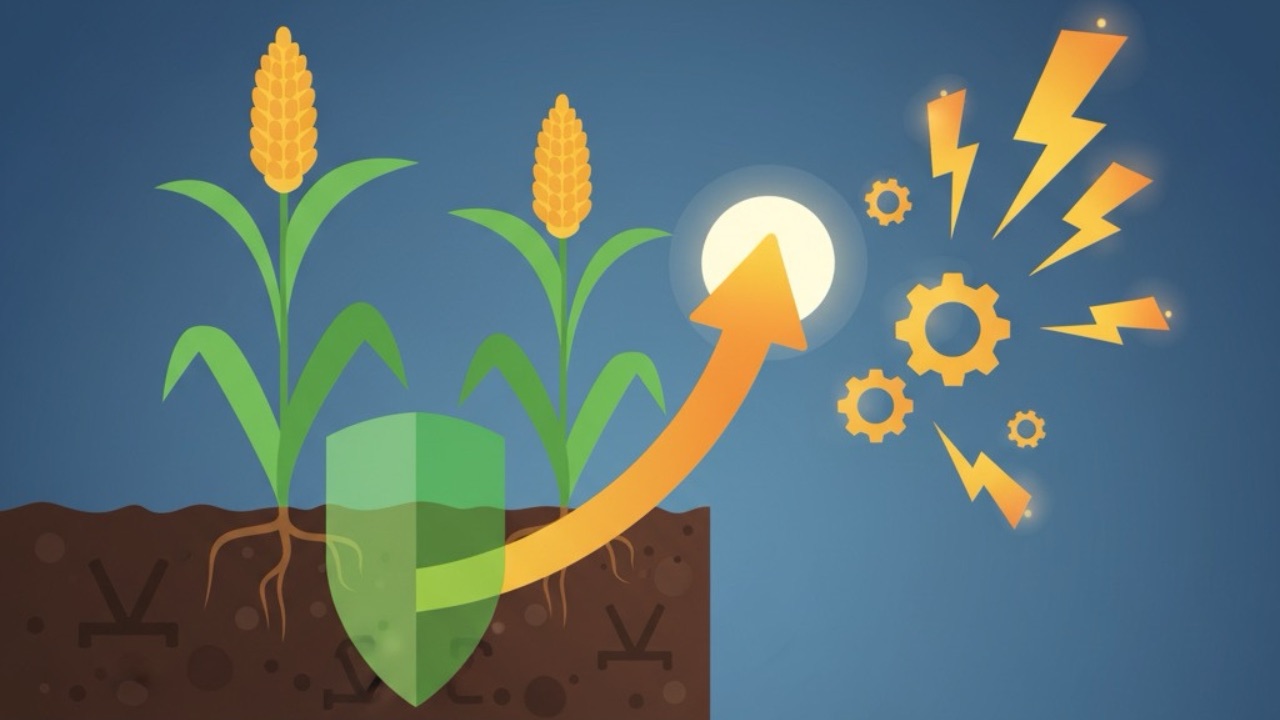
- BiocharBiochar is a carbon-rich material created from biomass decomposition in low-oxygen conditions. It has important applications in environmental remediation, soil improvement, agriculture, carbon sequestration, energy storage, and sustainable materials, promoting efficiency and reducing waste in various contexts while addressing climate change challenges. More Helps Lock Up Toxic Metals: Adding biochar to soil contaminated with heavy metals like zinc and copper helps the maize plant keep more of these metals in its roots. This is crucial because it significantly lowers the amount of toxins that can transfer to the parts of the plant above ground, making the soil safer (a process called phytostabilization).
- Corn Becomes Better Biofuel: Biochar improves the quality of the maize biomassBiomass is a complex biological organic or non-organic solid product derived from living or recently living organism and available naturally. Various types of wastes such as animal manure, waste paper, sludge and many industrial wastes are also treated as biomass because like natural biomass these More for energy use. Specifically, it increases the calorific value and energy production of the maize, making it a more efficient source for producing bioethanol or biogas.
- Biochar Combats Soil Damage: Heavy metals are harmful to the “life” in the soil, particularly the natural enzymes produced by microorganisms. The study showed that biochar helps lessen this toxic effect, promoting healthier soil biochemical activity, especially against the damage caused by copper contamination.
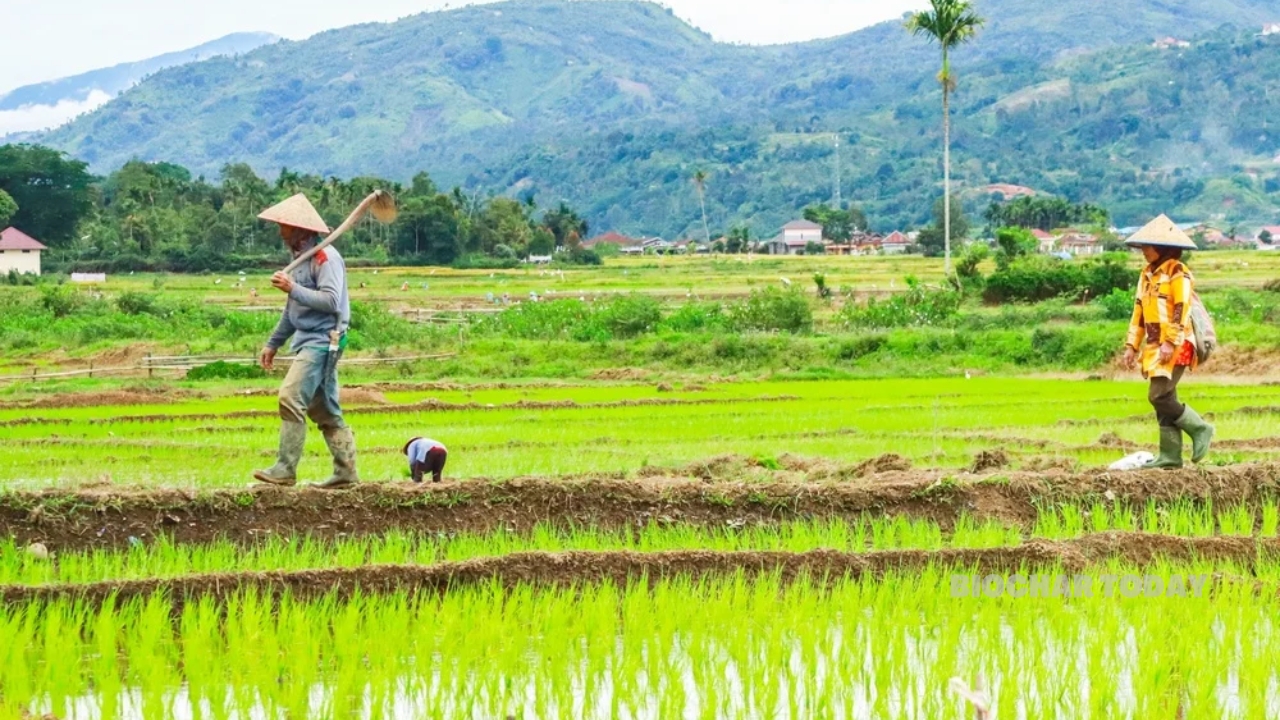
- A Win-Win for Farming and the Environment: Growing maize for energy on mildly contaminated land, especially with the help of biochar, offers a practical solution. It allows farmers to use land that might otherwise be unproductive while simultaneously cleaning up the soil and providing a valuable energy source.
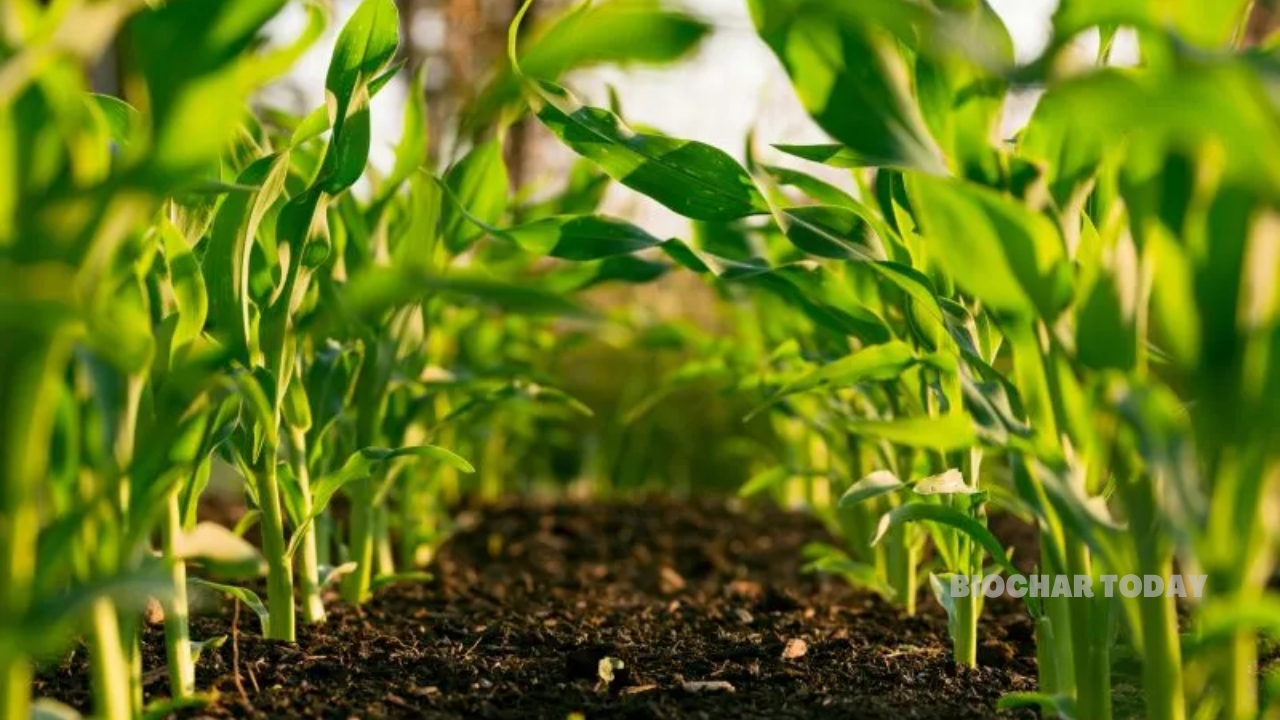
In a recent study published in the journal Environmental Science and Pollution Research, Edyta Boros-Lajszner, Jadwiga Wyszkowska, and Jan Kucharski investigated how adding biochar could enhance the use of maize (corn, Zea mays L.) as an energy crop while simultaneously cleaning up soil contaminated with the heavy metals zinc (Zn2+) and copper (Cu2+). The research aimed to determine the effects of biochar on maize biomass production, its suitability for energy purposes, and its effectiveness in the phytoremediationThis is a technique that uses plants to clean up contaminated soil or water. Biochar can enhance phytoremediation by improving soil conditions and promoting plant growth, allowing plants to absorb and break down pollutants more effectively. More process, which is a cost-effective method for remediating contaminated soil. The scientists conducted a pot experiment using soil contaminated with zinc and copper at concentrations of up to 420 mg kg−1 and amended half the soil with 15 g kg−1 of biochar.
Heavy metal contamination from human activities like industrial emissions and mining is a major environmental challenge worldwide, posing a significant risk to ecosystems. While zinc and copper are essential in small amounts, their excessive accumulation is harmful. Maize, an attractive raw material for energy due to its ease of growth and wide availability, presents a dual opportunity: cultivation for energy production and remediation of contaminated land. A recent study specifically focused on phytostabilization, a type of phytoremediation where plants limit the mobility of heavy metals in the soil and their transfer to the food chain.
The application of biochar—a carbon-rich material produced from biomass—was found to be a successful complement to this phytostabilization strategy. Biochar works by improving soil properties, reducing the bioavailability of heavy metals through mechanisms like adsorption and complexation, and increasing the plant’s tolerance to contamination. The study confirmed this mechanism: the presence of biochar significantly reduced the mobility of the heavy metals within the plant. The translocation factor (TF)—a key indicator of a metal’s transfer from roots to the above-ground parts—was lower in the biochar-amended series. Specifically, the series without biochar had TF values that were 15.29% higher for Zn2+-treated plants and 12.00% higher for Cu2+-treated plants compared to the series with biochar. This is an important finding, as TF values below 1 suggest that the metals are accumulating more in the roots than in the shoots, indicating the plant’s suitability for phytostabilization. The maize roots were found to accumulate significantly more heavy metals than the above-ground parts.
Biochar also offered benefits for the maize’s energy potential. The use of biochar had a positive effect on the heat of combustion and calorific value of the biomass. For uncontaminated samples, energy production from the corn biomass increased from 0.13 MJ kg−1 in samples without biochar to 0.16 MJ kg−1 in samples with biochar. Contamination with copper, however, significantly reduced energy production.
Soil health also saw a positive impact from the biochar. Heavy metals, especially copper, inhibited the activity of most soil enzymes, which are sensitive markers of change and reflect the interaction between plants and microorganisms. Biochar application mitigated this negative effect for key enzymes like dehydrogenase, urease, and acid phosphatase, although it did not always improve all enzyme activities. The addition of biochar also positively influenced soil physicochemical properties, such as increasing the content of organic carbon (Corg), total nitrogen (NTotal), pHpH is a measure of how acidic or alkaline a substance is. A pH of 7 is neutral, while lower pH values indicate acidity and higher values indicate alkalinity. Biochars are normally alkaline and can influence soil pH, often increasing it, which can be beneficial More, and the sum of exchangeable base cations in uncontaminated sites.
In summary, this research demonstrates that adding biochar to heavy metal-contaminated soil makes maize a more effective tool for phytostabilization by significantly reducing the heavy metals’ mobility. It also improves the crop’s suitability for energy production, providing a potential avenue for generating income from degraded or partially contaminated agricultural areas.
Source: Boros-Lajszner, E., Wyszkowska, J., & Kucharski, J. (2025). Phytoremediation properties of maize grown on heavy metal-contaminated soil and stimulated with biochar. Environmental Science and Pollution Research.


Leave a Reply