

Key Takeaways
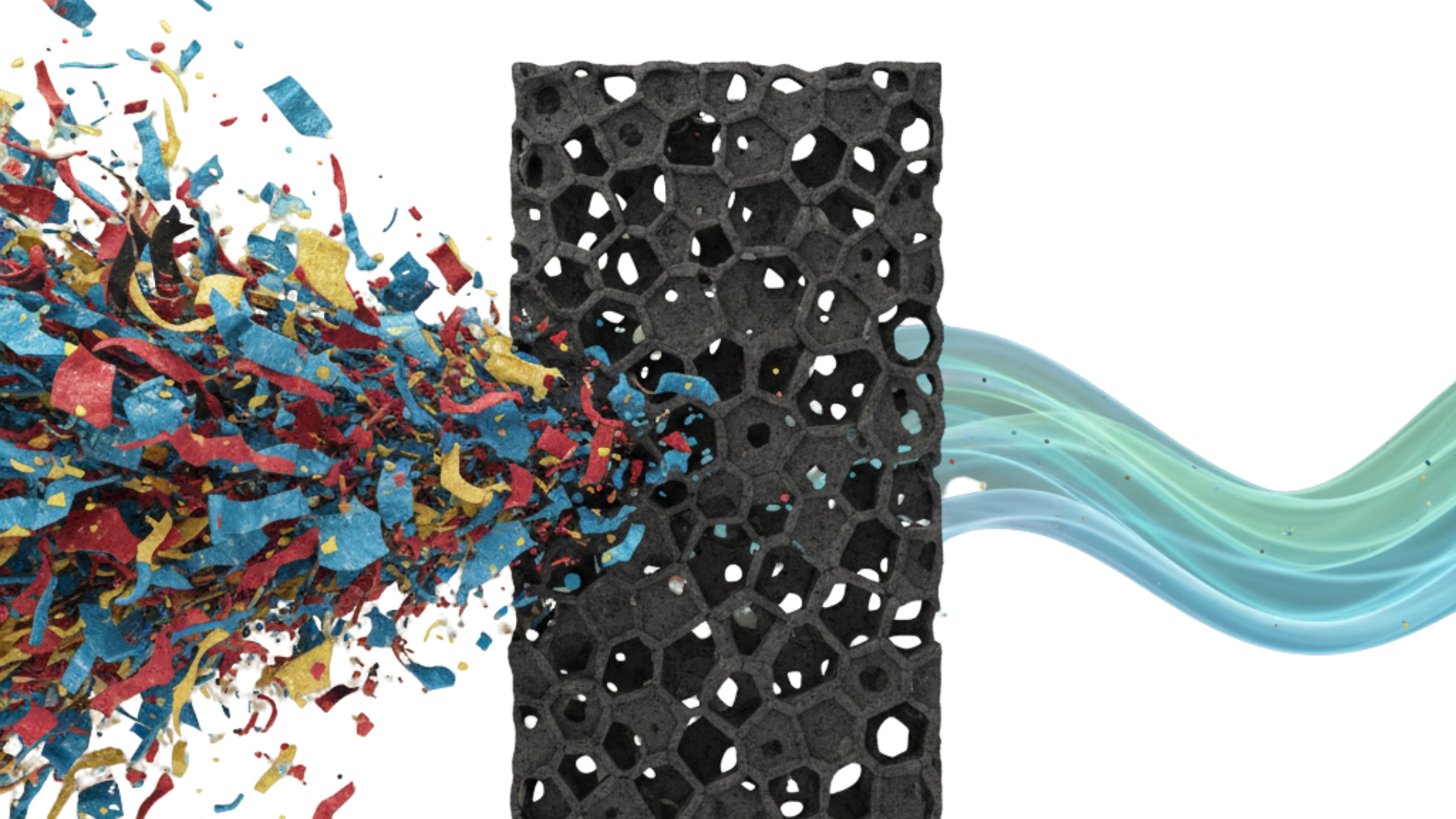
- Scientists developed a sustainable water cleaning material using a common wetland moss as the main foundation.
- The new composite material effectively traps and destroys persistent antibiotic pollutants that typically harm public health.
- By using copper and iron together, the material harvests visible light to break down chemical waste more efficiently than single metals.
- This technology works through a two step process where the moss based carbon first captures the drug molecules before light energy dissolves them.
- The cleaning agent remains stable and effective even after being reused multiple times, making it a practical solution for wastewater treatment.
The Journal of Advanced Research recently featured a study by Qing Xiang, Zhen Wang, Liang Luo, Yu Fang, Yuheng Cui, and their colleagues regarding a sustainable approach to water remediation. Their research introduces a high performance material derived from Sphagnum palustre, a naturally abundant wetland moss, to address the growing crisis of antibiotic pollution in aquatic environments. Specifically focusing on tetracycline hydrochloride, a persistent antibiotic that resists natural biodegradation, the team engineered a biocharBiochar is a carbon-rich material created from biomass decomposition in low-oxygen conditions. It has important applications in environmental remediation, soil improvement, agriculture, carbon sequestration, energy storage, and sustainable materials, promoting efficiency and reducing waste in various contexts while addressing climate change challenges. More platform co doped with copper and iron. This combination creates a sophisticated surface that can simultaneously trap pollutants and use light energy to chemically dismantle them into harmless substances like carbon dioxide and water.
The success of this new composite lies in its unique hierarchical structure and the formation of what scientists call an S-scheme heterojunction. This internal setup acts like a microscopic power plant, preventing the rapid recombination of energy carriers and ensuring that high energy electrons remain available to drive chemical reactions. The biochar foundation, created from the wetland moss, provides a massive surface area filled with specialized chemical groups that act as anchors for the antibiotic molecules. This pre concentration step is vital because it brings the pollutants into direct contact with the active metal sites where the light driven destruction occurs.
Experimental results demonstrated that the material, labeled as CFO/S-10, reached its peak performance under weakly alkaline conditions. While the carbon matrix from the moss is primarily responsible for the initial capture of the antibiotic, the addition of copper and iron oxides facilitates the secondary step of solar light degradation. This synergy ensures that the material does not just store the waste but actively eliminates it. The researchers found that the removal process is dominated by adsorption, yet the photocatalytic component significantly enhances the overall cleaning speed and efficiency. This dual action approach is particularly effective for tetracycline because of the drug’s specific molecular structure and its affinity for the oxygen rich surface of the biochar.
Durability is a major concern for any environmental cleaning technology, and the moss based composite showed impressive resilience. Even after five consecutive rounds of cleaning contaminated water, the material retained the vast majority of its original power. This stability is attributed to the strong chemical bonds between the metal oxides and the carbon support, which prevent the active ingredients from washing away during the treatment process. Furthermore, the use of earth abundant metals like iron and copper makes the production of this catalyst both cost effective and environmentally compatible compared to systems using rare or toxic precious metals.
The broader implications of this study suggest a new pathway for utilizing underutilized biomassBiomass is a complex biological organic or non-organic solid product derived from living or recently living organism and available naturally. Various types of wastes such as animal manure, waste paper, sludge and many industrial wastes are also treated as biomass because like natural biomass these More to protect public health. By transforming common wetland plants into advanced engineering materials, the researchers have created a tool that can combat the spread of antibiotic resistance genes in the environment. The detailed mapping of the degradation pathways revealed that the antibiotic undergoes several transformations, including the breaking of its chemical rings, before being mineralized. This ensures that the resulting water is truly remediated rather than just being filled with different chemical fragments. As global water quality continues to be a priority, these biochar based catalysts offer a green and efficient strategy for the future of wastewater management.
Source: Xiang, Q., Wang, Z., Luo, L., Fang, Y., Cui, Y., Zhou, J., Zhang, D., Yang, B., Zhang, Z., Zou, X., & Xiang, B. (2025). Cu/Fe co-doped Sphagnum palustre-derived biochar for the synergistic adsorption and photocatalytic removal of tetracycline hydrochloride. Journal of Advanced Research.



Leave a Reply