
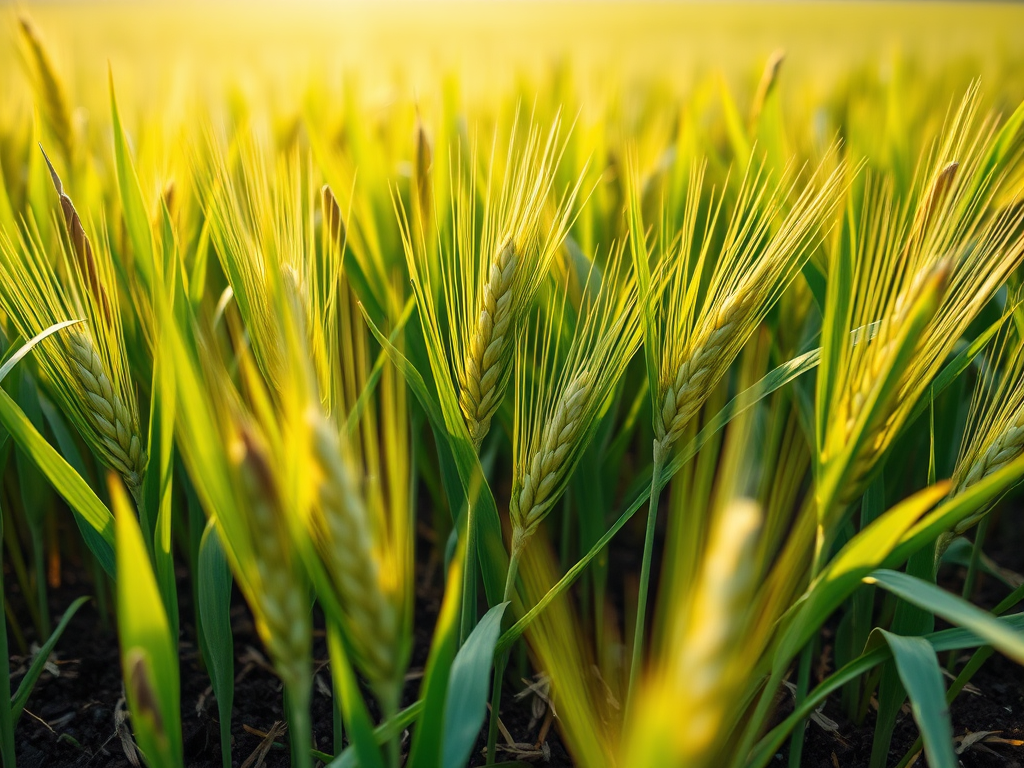
In a recent study published in the Journal of Applied Biology & Biotechnology, researchers Gaurav Sharma, Diptanu Banik, Chandra Mohan Mehta, Eiji Nishihara, Kazuyuki Inubushi, Shigeto Sudo, Sachiko Hayashida, and Prabir K. Patra investigated the profound impact of fresh and residual biocharBiochar is a carbon-rich material created from biomass decomposition in low-oxygen conditions. It has important applications in environmental remediation, soil improvement, agriculture, carbon sequestration, energy storage, and sustainable materials, promoting efficiency and reducing waste in various contexts while addressing climate change challenges. More on the physiological health and grain quality of wheat. Their findings offer compelling evidence that biochar, particularly when freshly applied, can significantly enhance key attributes of wheat, contributing to more robust and nutritious crops. The study addresses the critical need for sustainable agricultural practices, especially in regions like Punjab, India, where agricultural residue burning contributes to severe environmental and health issues. Converting rice residue into biochar presents a promising solution, turning a waste product into a valuable soil amendmentA soil amendment is any material added to the soil to enhance its physical or chemical properties, improving its suitability for plant growth. Biochar is considered a soil amendment as it can improve soil structure, water retention, nutrient availability, and microbial activity. More.
The research team conducted a field trial from 2022 to 2024, evaluating the effects of fresh biochar (S1), one-season-old residual biochar (S2), and two-season-old residual biochar (S3) on wheat (Triticum aestivum L.). The biochar, produced from rice straw and rice husk at 400-600°C, was integrated with standard nutrient applications at varying rates (5, 10, and 15 t/ha). Their comprehensive analysis focused on several physiological parameters, including chlorophyll index, relative water content (RWC), membrane injury index (MII), and membrane stability index, alongside crucial grain quality attributes like carbohydrate and protein content. This rigorous approach allowed for a clear comparison of biochar’s immediate and lingering benefits.
A key finding was the pronounced effect of fresh biochar application (S1) compared to its residual counterparts. These gains highlight biochar’s immediate role in boosting plant vitality and nutritional value. The enhanced chlorophyll content suggests improved photosynthetic efficiency, which translates to healthier plant growth and potentially higher yields. Even after one growing season, the residual biochar (S2) continued to offer significant advantages, albeit to a lesser extent than fresh applications. Treatments with 10 t/ha (T5 and T8) showed a 13.8% improvement in chlorophyll index, a 7.2% reduction in membrane injury, and a substantial 27.1% increase in membrane stability index. Grain quality remained positively impacted, with carbohydrate content improving by 5.9% and protein content by 32.3%. These sustained benefits underscore biochar’s lasting contribution to soil health and crop resilience, providing a multi-season return on investment.
By the second season, two-season-old residual biochar (S3) still demonstrated positive effects, particularly at the 15 t/ha application rate (T6 and T9). Chlorophyll index increased by 7.2%, RWC by 4%, and protein content by 10.2%. While the impact diminished over time, the persistence of these benefits confirms biochar’s role as a long-term soil amendment. This residual activity suggests that biochar doesn’t merely provide a one-off boost but subtly enhances soil conditions over multiple planting cycles, supporting sustained agricultural productivity.
Beyond the specific quantitative improvements, the study reinforces the broader understanding of how biochar supports plant health. Biochar application promotes photosynthesis, boosts chlorophyll levels, and enhances the rate of transpiration. It also improves soil parameters such as pHpH is a measure of how acidic or alkaline a substance is. A pH of 7 is neutral, while lower pH values indicate acidity and higher values indicate alkalinity. Biochars are normally alkaline and can influence soil pH, often increasing it, which can be beneficial More, carbon content, porosityPorosity of biochar is a key factor in its effectiveness as a soil amendment and its ability to retain water and nutrients. Biochar’s porosity is influenced by feedstock type and pyrolysis temperature, and it plays a crucial role in microbial activity and overall soil health. Biochar More, and water-holding capacity, all of which are crucial for optimal plant growth and nutrient uptake. The material’s porous structure reduces soil hardening and fosters microbial activity, further contributing to nutrient cycling and overall soil fertility. These synergistic effects collectively lead to more resilient plants, capable of better withstanding environmental stresses.
The findings from this research are critical for promoting sustainable agriculture and ensuring food security, particularly in regions facing challenges like crop residue burning and declining soil fertility. By converting agricultural waste into a valuable resource, biochar offers a circular economy approach that minimizes pollution while maximizing agricultural output. This study provides valuable insights into the optimal application rates and the longevity of biochar’s benefits, guiding farmers and policymakers toward more effective and environmentally sound practices.
This research not only highlights the immediate positive effects of fresh biochar but also sheds light on the prolonged, albeit decreasing, benefits of residual biochar over multiple seasons. The quantitative data on increased protein and carbohydrate content, coupled with improved physiological markers like chlorophyll and water retention, provides a strong scientific basis for integrating biochar into modern agricultural systems. As we look for ways to enhance crop quality and yield sustainably, biochar stands out as a powerful and effective tool for a healthier planet and more nutritious food.
Source: Sharma, G., Banik, D., Mehta, C. M., Nishihara, E., Inubushi, K., Sudo, S., Hayashida, S., & Patra, P. K. (2025). Impact of fresh and residual biochar on physiological attributes and grain quality of wheat (Triticum aestivum L.). Journal of Applied Biology & Biotechnology, X(XX), 1-11.



Leave a Reply