
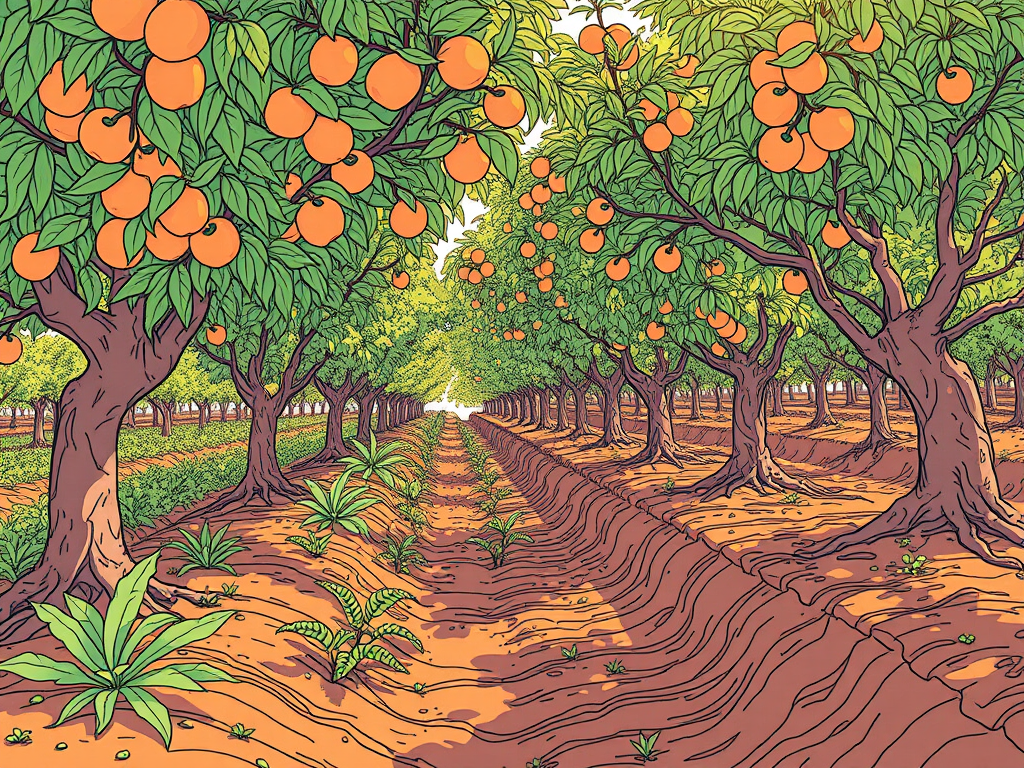
A recent study published in Eurasian Soil Science by M.O. Gomes and A.F. Cruz explores the combined effects of biocharBiochar is a carbon-rich material created from biomass decomposition in low-oxygen conditions. It has important applications in environmental remediation, soil improvement, agriculture, carbon sequestration, energy storage, and sustainable materials, promoting efficiency and reducing waste in various contexts while addressing climate change challenges. More and cover crops on soil health. While both biochar and cover crops have been individually recognized for their benefits to soil, this research delves into their synergistic potential, particularly focusing on soil microbial communities and enzyme activity in a Japanese apricot orchard. Biochar is known to improve soil health by enhancing organic matter, suppressing pathogens, and promoting beneficial microbial communities. Similarly, cover crops contribute to soil health by improving nutrient cycling and fostering a diverse soil microbiome. This study investigates how combining these two practices can further enhance soil health.
The researchers established an experiment in a Japanese apricot orchard, comparing the effects of biochar alone, cover crops alone, and the co-application of both, using rice husk and bamboo biochar, and two cover crop species. The co-application of biochar and cover crops significantly altered the soil microbial community, increasing the abundance of bacteria that degrade complex compounds, which indicates an improvement in soil health. The study revealed that co-application treatments led to a more diverse and abundant soil microbial community compared to individual applications. This shift towards a greater diversity of microorganisms is associated with improved nutrient cycling and soil resilience.
While enzyme activities in the soil did not show significant changes during the study, the alteration in the microbial community suggests potential long-term benefits for soil health. The stability of enzyme activity over the short term indicates that the observed microbial shifts may lead to more gradual, sustained improvements in soil functions.
Quantitatively, co-application treatments showed higher bacterial diversity compared to single applications, and the control treatment showed a 43% representation of bacterial families associated with pathogen activity. Specific bacterial families, such as Comamonadaceae, Chthoniobacteraceae, Sphingomonadaceae, and Bradyrhizobiaceae, were identified as key biomarkers for the combined application of biochar and cover crops.
In conclusion, the study concludes that the co-application of biochar and cover crops can synergistically enhance soil microbial communities, promoting a healthier soil ecosystem. Further long-term research is recommended to fully understand the sustainability and long-term impacts of these combined practices on soil health and crop productivity.
SOURCE: Gomes, M. O., & Cruz, A. F. (2025). Synergistic Effects of the Use of Biochar and Cover Crops on Soil Health Parameters. Eurasian Soil Science, 58(82).




Leave a Reply