

Key Takeaways
- BiocharBiochar is a carbon-rich material created from biomass decomposition in low-oxygen conditions. It has important applications in environmental remediation, soil improvement, agriculture, carbon sequestration, energy storage, and sustainable materials, promoting efficiency and reducing waste in various contexts while addressing climate change challenges. More acts like a sponge to trap and store harmful gases in the ground for centuries.
- It helps farmers grow more food by keeping soil healthy and holding more water.
- Using this material prevents dangerous gases from escaping and warming the planet.
- It reduces the need for chemical fertilizers by locking nutrients into the soil.
- Adding biochar makes crops stronger and better able to survive heat or drought.
In a comprehensive review published in the journal Scientifica, Aruna Olasekan Adekiya and team examine how biochar serves as a critical tool for modern agriculture. Greenhouse gas emissions from human activities, particularly within the farming sector, have created a serious threat to global food security by altering the climate conditions essential for crop growth. Agriculture alone contributes approximately twelve percent of global human-related greenhouse gas emissions, including sixty percent of all nitrous oxide releases. As temperatures rise and precipitation patterns shift, traditional farming faces declining productivity. Biochar, produced by heating organic materials like rice husks or corn stalks in an oxygen-free environment, offers a dual-purpose solution by trapping carbon in a stable form and revitalizing degraded soils.
The results of the study show that biochar is exceptionally effective at carbon sequestration because of its chemical stability. Unlike raw organic matter that rots and releases carbon dioxide quickly, biochar resists microbial breakdown. Scientific analysis suggests that it would take nearly four hundred years for just one percent of the carbon trapped in biochar to be lost. Beyond carbon storage, biochar application has been shown to suppress nitrous oxide emissions by up to fifty-four percent in laboratory settings and twenty-eight percent in actual field conditions. This occurs because the porous nature of the material improves soil aeration, which prevents the anaerobic conditions that usually lead to the production of these potent gases. Furthermore, the high surface area of biochar allows it to hold onto nitrogen compounds, keeping them available for plants instead of letting them escape into the atmosphere.
Methane emissions, which are nearly thirty times more potent than carbon dioxide, also see a significant drop with biochar use. In rice paddies, which are the largest agricultural source of methane, adding biochar can reduce emissions by twenty-one to twenty-five percent. The material acts as an electron acceptor, facilitating microbial pathways that compete with and suppress methane-producing organisms. It also reduces soil bulk density and improves the supply of oxygen to plant roots, further inhibiting the production of methane. In some experiments, rice husk biochar even led to a sixty percent reduction in methane compared to traditional manure applications. These findings suggest that biochar does not just hide carbon away; it actively changes the chemical and biological makeup of the soil to prevent new gases from forming.
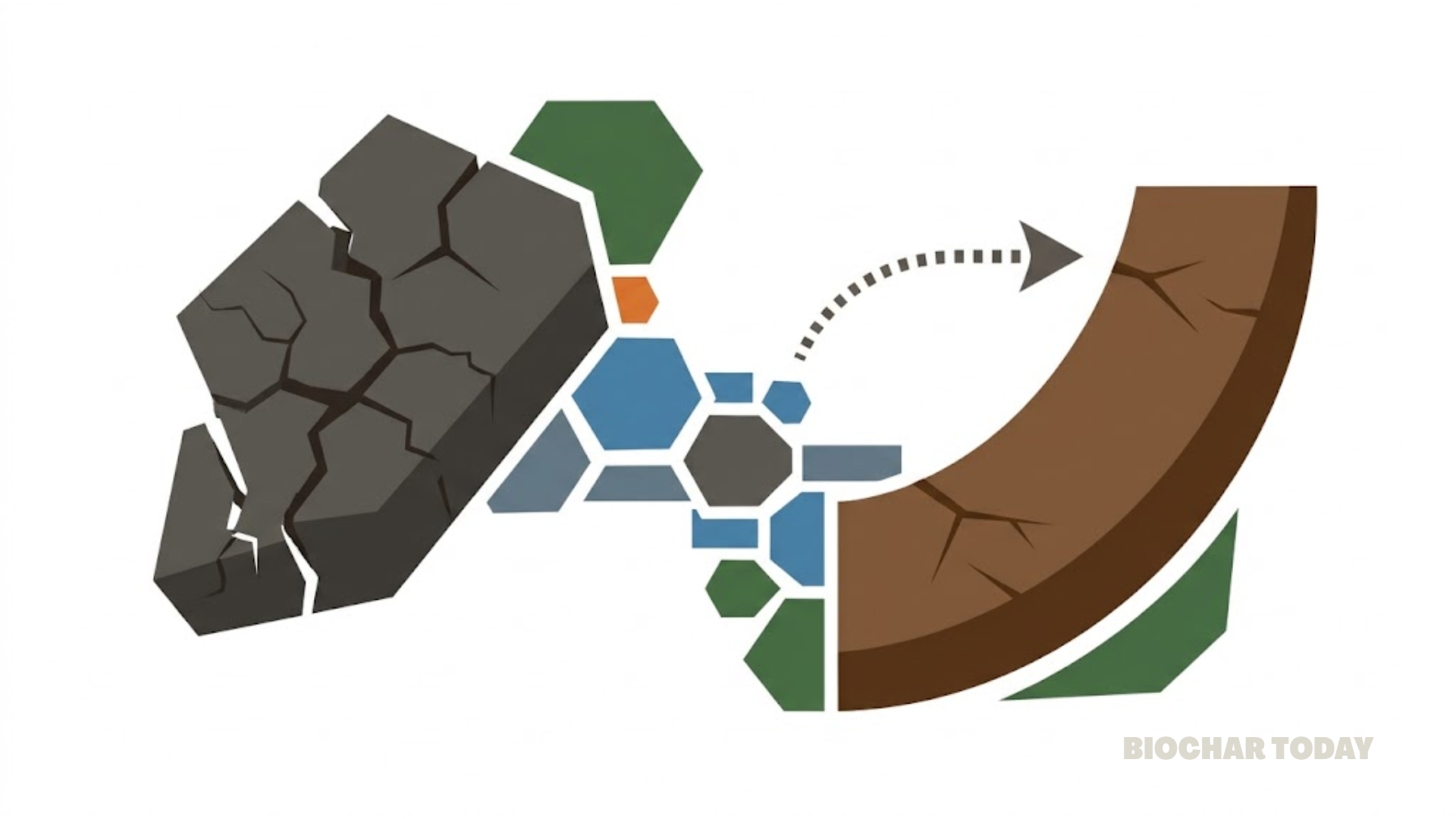
The impact on soil productivity is equally impressive, particularly in sandy or acidic tropical soils. Biochar application can increase the stability of soil aggregates by seventeen to thirty-three percent and improve the capacity of the soil to hold water available for plants by approximately thirty percent. By raising the soil pHpH is a measure of how acidic or alkaline a substance is. A pH of 7 is neutral, while lower pH values indicate acidity and higher values indicate alkalinity. Biochars are normally alkaline and can influence soil pH, often increasing it, which can be beneficial More and increasing the ability of the ground to retain essential nutrients like potassium and calcium, biochar creates a more favorable environment for root growth. This leads to higher crop yields even under the stress of climate change. For instance, studies have shown that biochar application can increase maize yields in degraded soils by neutralizing acidity and improving nutrient uptake. By integrating biochar into standard farming practices, it is possible to create a sustainable cycle that protects the environment while ensuring there is enough food for a growing global population.
Source: Adekiya, A. O., Ibaba, A. L., Ogunbode, T. O., & Adedokun, O. D. (2026). Biochar: A sustainable solution for mitigating greenhouse gas emissions and enhancing soil productivity-A review. Scientifica, 2026, Article 5690423.




Leave a Reply