

Rao et al., in the New Era Agriculture Magazine, explored the potential of biocharBiochar is a carbon-rich material created from biomass decomposition in low-oxygen conditions. It has important applications in environmental remediation, soil improvement, agriculture, carbon sequestration, energy storage, and sustainable materials, promoting efficiency and reducing waste in various contexts while addressing climate change challenges. More as a clean technology for improving soil and water quality. Rao et al., in the New Era Agriculture Magazine, reported on biochar as a clean technology for improving soil and water quality.
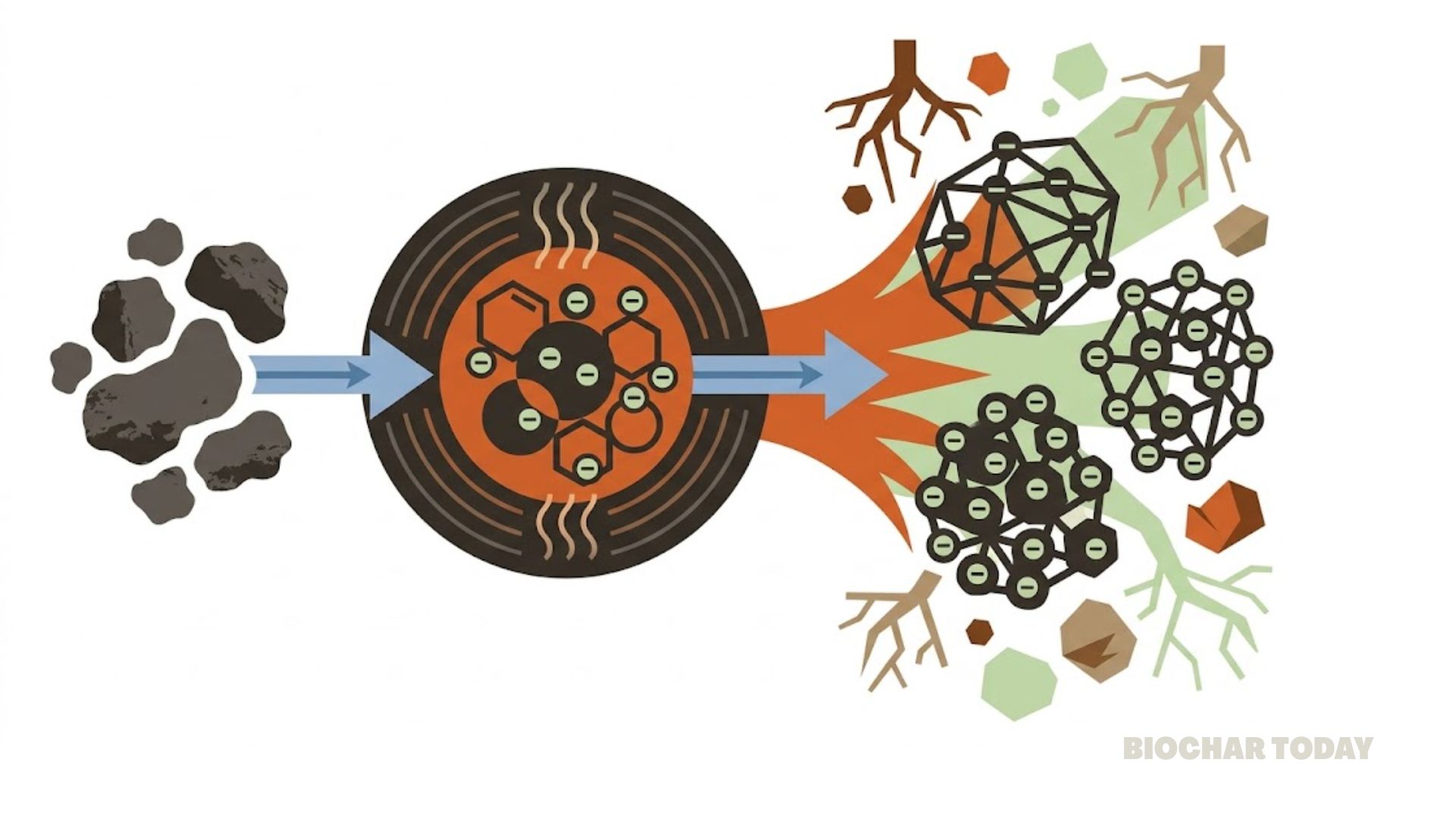
Biochar is a carbon-rich material produced from the pyrolysisPyrolysis is a thermochemical process that converts waste biomass into bio-char, bio-oil, and pyro-gas. It offers significant advantages in waste valorization, turning low-value materials into economically valuable resources. Its versatility allows for tailored products based on operational conditions, presenting itself as a cost-effective and efficient More of organic biomassBiomass is a complex biological organic or non-organic solid product derived from living or recently living organism and available naturally. Various types of wastes such as animal manure, waste paper, sludge and many industrial wastes are also treated as biomass because like natural biomass these More under limited oxygen conditions. It has a highly porous structure, extensive surface area, and chemical stability, allowing it to interact effectively with soil and water components. Biochar is made from various organic waste materials, including agricultural residues, forestry waste, and municipal green waste. This process reduces waste and transforms it into a stable form of carbon that can be returned to the soil, enriching its organic matter content and helping to retain nutrients. Biochar-amended soils show improved water-holding capacity, reducing the need for frequent irrigation and enhancing drought resistance. Biochar also helps reduce nutrient leachingLeaching is the process where nutrients are dissolved and carried away from the soil by water. This can lead to nutrient depletion and environmental pollution. Biochar can help reduce leaching by improving nutrient retention in the soil. More into water systems, promoting cleaner water resources and reducing the risk of eutrophication in aquatic environments.
Biochar has several benefits for soil health, including nutrient retention and availability, improved soil structure and water retention, enhanced microbial activity, carbon sequestration, and pHpH is a measure of how acidic or alkaline a substance is. A pH of 7 is neutral, while lower pH values indicate acidity and higher values indicate alkalinity. Biochars are normally alkaline and can influence soil pH, often increasing it, which can be beneficial More balance and toxin absorption. Biochar acts as a long-term carbon sink, storing carbon in the soil for centuries and contributing to reducing greenhouse gas emissions. It can also help buffer soil pH and mitigate the toxic effects of certain soil contaminants or heavy metals. Biochar also enhances water quality. It is excellent at adsorbing harmful substances, including heavy metals, pesticides, and organic contaminants, effectively removing them from the water and reducing contamination. Biochar’s capacity to retain nutrients helps prevent them from leaching into water bodies, reducing eutrophication and improving overall water quality. Its structure supports microbial colonies that break down organic pollutants, further aiding in the natural purification of water. Using biochar in water treatment sequesters carbon, reducing greenhouse gases in the atmosphere. Biochar can be applied in various water treatment settings, from small-scale filters in rural areas to large-scale wastewater treatment plants.
Biochar is a broadly diverse material that can have several impacts on soil attributes, crop growth, and production. Biochar formulations applied at an optimal rate can significantly increase yields under site-specific soil constraints and nutrient- and water-limited conditions. Biochar reduces the availability of heavy metals, enhances plant resistance potential to various diseases, and increases resilience to different environmental stressors (biotic, abiotic drought, and salt). Biochar accelerates microbial activity, which can enhance the mineralization of nutrients and promote the nutrient uptake mechanism by plants. A clear understanding of the variable effects of biochar on soil and plant systems could facilitate biochar preparation for specific applications through proper feedstockFeedstock refers to the raw organic material used to produce biochar. This can include a wide range of materials, such as wood chips, agricultural residues, and animal manure. More selection by adjusting process conditions and pre- or post-production treatment of biochar that govern the pH, nutrient availability, and adsorption capacity. Guidelines regarding the selection and production of biochar to meet specific soil and environmental constraints should be developed. Sources and related content
SOURCE: Rao, K. B., Panda, J., A N, P. R., Rao, M. M., & Konwar, M. J. (2024). Clean Technology Through Bio Char to Enhance Soil and Water Quality. New Era Agriculture Magazine, 3(5).Sources and related content



Leave a Reply