
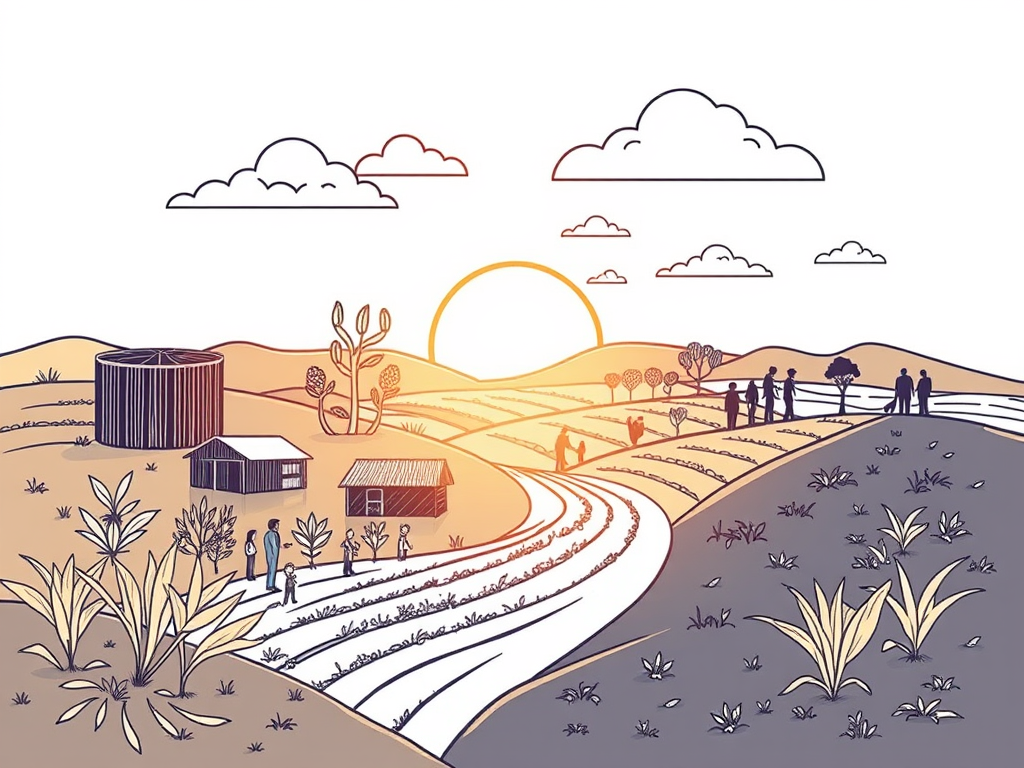
A bibliometric study published in the Indonesian Journal of Social Research by Agustina Multi Purnomo highlights a significant gap in biocharBiochar is a carbon-rich material created from biomass decomposition in low-oxygen conditions. It has important applications in environmental remediation, soil improvement, agriculture, carbon sequestration, energy storage, and sustainable materials, promoting efficiency and reducing waste in various contexts while addressing climate change challenges. More research. While biochar has been extensively studied for its technical, environmental, and economic benefits, the social aspects have received comparatively little attention. This analysis of published articles in Scopus and Google Scholar reveals that research on the social economy of biochar is heavily weighted towards technological and environmental factors, with a lack of in-depth exploration of the social dimensions.
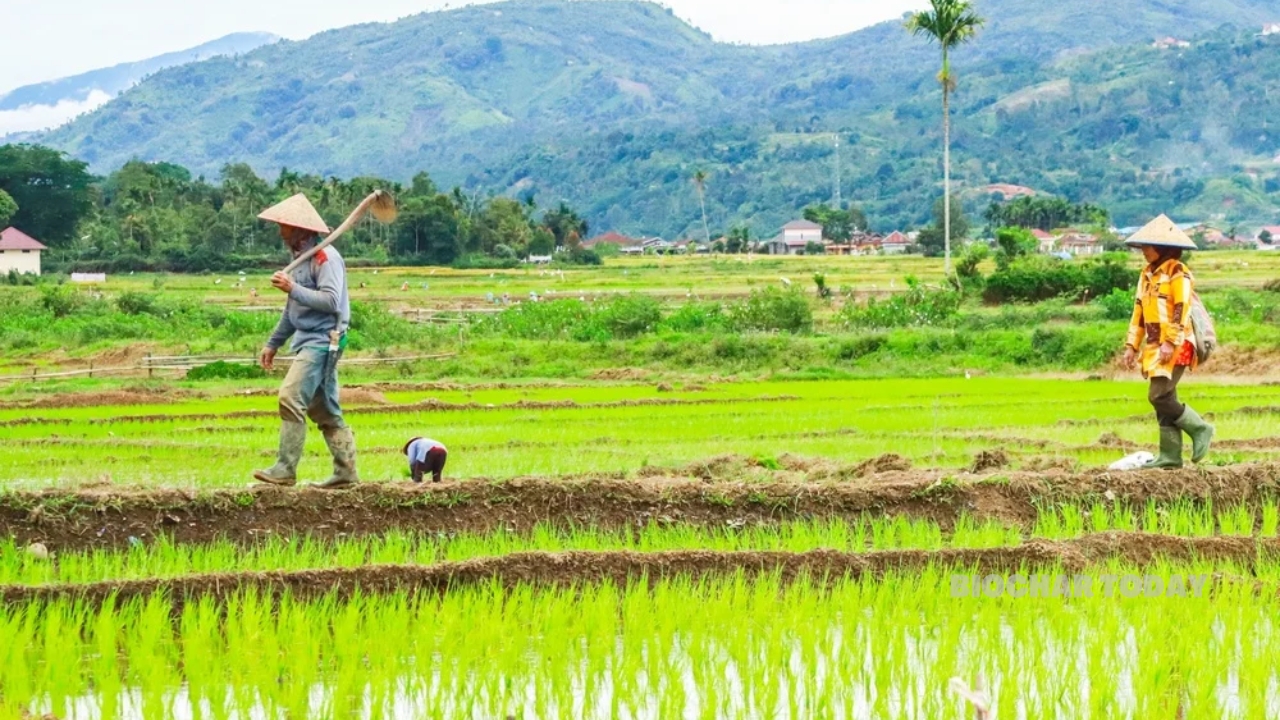
Biochar produced from the thermochemical decomposition of biomassBiomass is a complex biological organic or non-organic solid product derived from living or recently living organism and available naturally. Various types of wastes such as animal manure, waste paper, sludge and many industrial wastes are also treated as biomass because like natural biomass these More, has shown promise in agriculture, environmental management, and waste processing. However, the study emphasizes that the social factors influencing the adoption, implementation, and sustainability of biochar technologies are often overlooked. These social aspects, including community engagement, social acceptance, and the role of social structures, are crucial for the successful integration of biochar into various sectors.
The bibliometric analysis involved a systematic review of publications, utilizing VOSviewer to analyze keywords and identify research trends. The findings indicate that while research on the social economy of biochar has grown in recent years, the focus remains largely on technical and environmental aspects. Keywords related to social aspects, such as “socioeconomic” and “role,” are present but not central to the main research themes.
This study concludes that there is a pressing need for more research dedicated to the social dimensions of biochar. Understanding social acceptance, community dynamics, and the societal implications of biochar technology is essential for its sustainable and widespread adoption.
SOURCE: Purnomo, A. M. (2025). The Research Needs on Social Aspects of Biochar: A Learning from Social-Economy of Biochar Previous Study. Indonesian Journal of Social Research (IJSR), 7(1), 19-32


Leave a Reply