
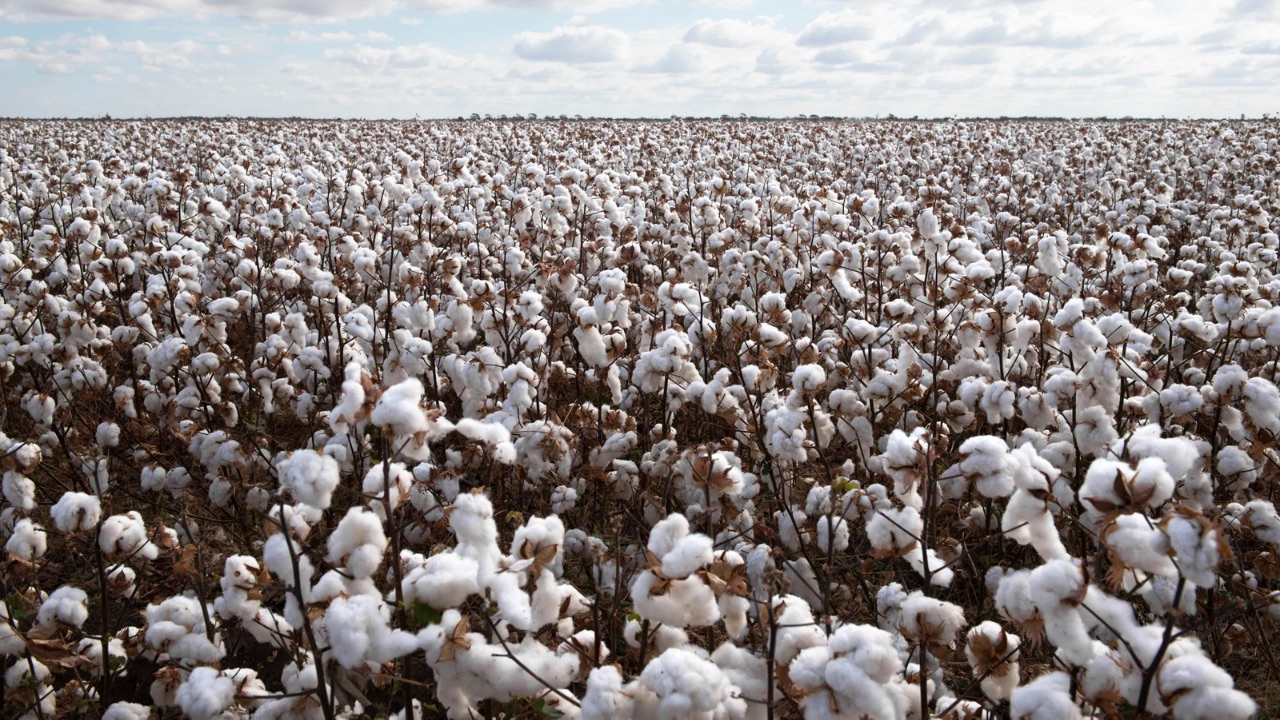
The Better Cotton Initiative (BCI) has partnered with climate technology startup Planboo to launch a pilot project introducing biocharBiochar is a carbon-rich material created from biomass decomposition in low-oxygen conditions. It has important applications in environmental remediation, soil improvement, agriculture, carbon sequestration, energy storage, and sustainable materials, promoting efficiency and reducing waste in various contexts while addressing climate change challenges. More production to cotton farms in India. Scheduled to commence in February 2026, this initiative aims to transform agricultural waste management practices across the region. By integrating biochar production directly into the farming cycle, the project seeks to measure, monetize, and scale environmental improvements while creating new value streams for farmers. The collaboration will initially involve at least 75 farmers in Gujarat and Maharashtra, utilizing specialized kilns to convert cotton harvest residues into stable carbon.
The pilot seeks to address the widespread and detrimental practice of crop residue burning. In many cotton-producing regions, farmers dispose of agricultural waste by burning it in open fields, a method that contributes significantly to air pollution, greenhouse gas emissions, and public health risks. This traditional approach not only damages the environment but also represents a lost economic opportunity. As noted by project leadership, farmers have historically been “sitting on an unrealized asset,” treating valuable biomassBiomass is a complex biological organic or non-organic solid product derived from living or recently living organism and available naturally. Various types of wastes such as animal manure, waste paper, sludge and many industrial wastes are also treated as biomass because like natural biomass these More as waste rather than a potential resource for soil enhancement and carbon sequestration.
To combat this, the project provides a comprehensive technological and operational solution. Three biochar kilns will be installed with the capacity to process 375 tonnes of agricultural waste into approximately 60 to 70 tonnes of biochar. Central to this solution is Planboo’s digital Measurement, Reporting, and Verification (MRV) system, which will meticulously track the entire production cycle from waste input to final carbon removal calculations. Farmers will receive training early next year on kiln operation, enabling them to transition from open burning to controlled biochar production. This “learn, burn, and earn” model effectively turns a waste disposal problem into a soil amendmentA soil amendment is any material added to the soil to enhance its physical or chemical properties, improving its suitability for plant growth. Biochar is considered a soil amendment as it can improve soil structure, water retention, nutrient availability, and microbial activity. More strategy.
The expected outcomes are multifaceted, targeting both environmental and economic gains. Environmentally, the biochar produced will enhance soil health, improve water retention, and lock carbon in the ground for over a century. Economically, the rigorous tracking provided by the MRV system is designed to streamline carbon accounting, thereby opening access to carbon credit markets and generating new revenue for farming communities. Over the pilot’s duration through late 2026, BCI and Planboo will gather critical data on crop yields and emission reductions to evaluate the feasibility of scaling this model across the wider cotton sector.



Leave a Reply