

A recent industry analysis published by Beston Group evaluates the strategic integration of pyrolysisPyrolysis is a thermochemical process that converts waste biomass into bio-char, bio-oil, and pyro-gas. It offers significant advantages in waste valorization, turning low-value materials into economically valuable resources. Its versatility allows for tailored products based on operational conditions, presenting itself as a cost-effective and efficient More technology to manage escalating global forest wildfires, which reached a record 13.5 million hectares burned in 2024. The assessment emphasizes that wildfire severity is primarily driven by the continuous accumulation of untreated forest biomassBiomass is a complex biological organic or non-organic solid product derived from living or recently living organism and available naturally. Various types of wastes such as animal manure, waste paper, sludge and many industrial wastes are also treated as biomass because like natural biomass these More, such as ladder fuels, agricultural residues, and pest-induced dead wood, rather than the initial ignition source. By converting these hazardous, combustible materials into stable biocharBiochar is a carbon-rich material created from biomass decomposition in low-oxygen conditions. It has important applications in environmental remediation, soil improvement, agriculture, carbon sequestration, energy storage, and sustainable materials, promoting efficiency and reducing waste in various contexts while addressing climate change challenges. More, forest management agencies can mitigate wildfire risks while simultaneously participating in the voluntary carbon market and advancing ecological restoration initiatives.
The primary challenge addressed in this analysis centers on the inherent operational, economic, and regulatory limitations of traditional forest biomass removal methods, specifically mechanical thinning and prescribed burning. Mechanical thinning generates large volumes of low-diameter wood and branches that lack commercial value, meaning high transportation and disposal costs frequently result in residues being left on-site. Prescribed burning, while effective at clearing surface fuels, is severely constrained by strict atmospheric windows and lengthy environmental review processes regarding air quality and smoke dispersion. Consequently, these logistical barriers allow forest fuel loads to accumulate at a pace that far exceeds the capacity of conventional public-funded management programs.
To resolve these systemic bottlenecks, Beston Group details a dual-pathway technological approach using fixed and mobile pyrolysis systems to convert forest waste into stable biochar. Mobile working units can be deployed directly to remote or scattered forest sites, dramatically lowering localized transportation expenses and facilitating immediate post-disturbance cleanup. For large-scale commercial operations with a consolidated feedstockFeedstock refers to the raw organic material used to produce biochar. This can include a wide range of materials, such as wood chips, agricultural residues, and animal manure. More supply, fixed industrial systems maximize automation, maintain rigorous quality controls over pore structure, and utilize recovered pyrolysis gases for energy self-sufficiency. This multi-tiered equipment strategy enables year-round processing independent of weather conditions, bypassing the restrictive constraints associated with traditional open burning.
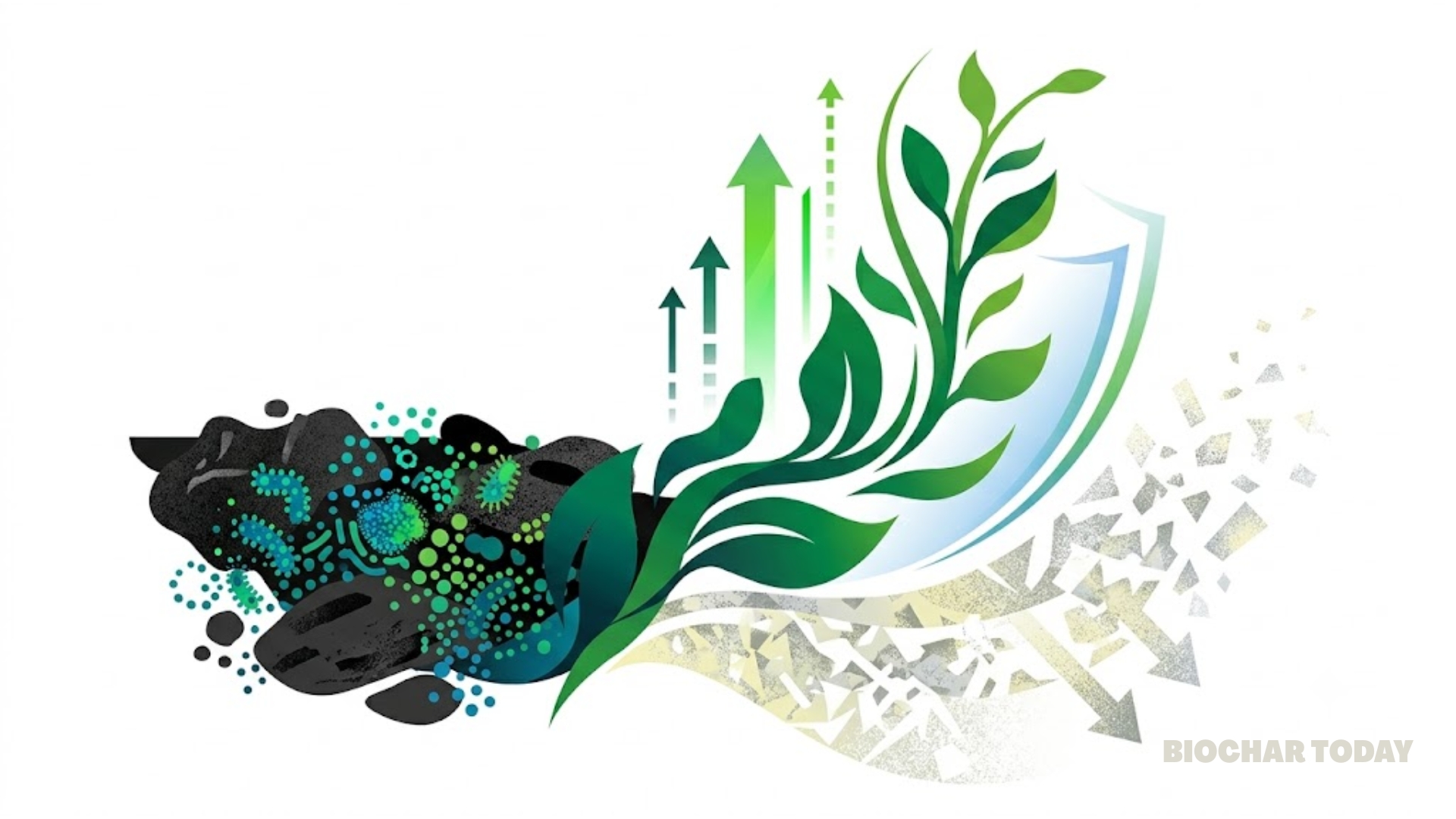
The operational outcomes of adopting these pyrolysis pathways manifest in both financial viability and environmental rehabilitation. By transforming low-value thinning residues into certified biochar, operators can generate high-premium carbon removal credits, which averaged 164 dollars per ton in 2025, effectively offsetting forest cleanup expenses. Furthermore, applying the resulting biochar to surface soils enhances forest moisture retention during dry seasons and accelerates long-term vegetation recovery in previously burned ecosystems. Ultimately, this framework shifts forest management from a cost-prohibitive public liability into a self-sustaining ecological cycle.



Leave a Reply