
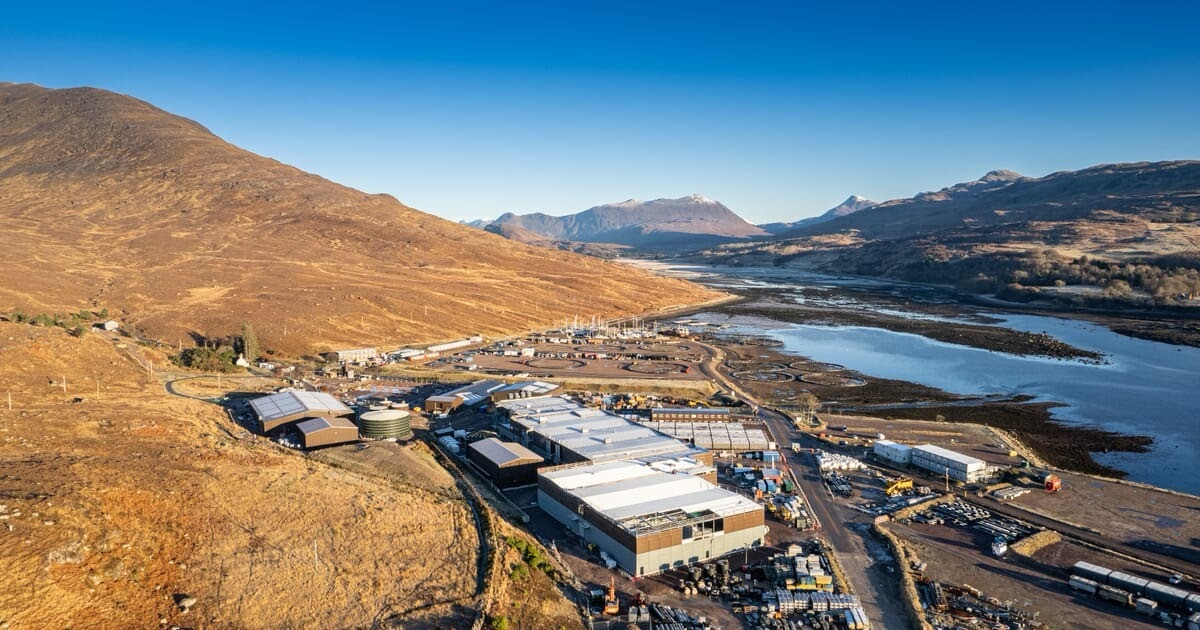
Bakkafrost Scotland is pioneering an innovative recycling project at its Applecross site, set to convert wastewater from its recirculating aquaculture system (RAS) into biocharBiochar is a carbon-rich material created from biomass decomposition in low-oxygen conditions. It has important applications in environmental remediation, soil improvement, agriculture, carbon sequestration, energy storage, and sustainable materials, promoting efficiency and reducing waste in various contexts while addressing climate change challenges. More. This initiative, with a total investment exceeding £2.5 million, has secured up to £630,290 in funding from Highlands and Islands Enterprise (HIE).
This project marks a significant first for Scotland, as it will employ a process that heats waste without oxygen to produce biochar, intended for use within the forestry sector. The undertaking aligns with Bakkafrost’s broader commitment to environmental stewardship by reducing the volume of waste requiring transport from the area.
Bakkafrost, a major producer of farmed salmon, has been making strategic investments in Scotland since acquiring the Scottish Salmon Company in 2019. A key development has been the new RAS hatchery at Kishorn in Wester Ross. This advanced hatchery allows Bakkafrost to produce its own smolts at higher volumes and sizes. The enclosed system inherently captures fish waste, which will then be directed to the new pyrolysisPyrolysis is a thermochemical process that converts waste biomass into bio-char, bio-oil, and pyro-gas. It offers significant advantages in waste valorization, turning low-value materials into economically valuable resources. Its versatility allows for tailored products based on operational conditions, presenting itself as a cost-effective and efficient More facility for processing.
Historically, the waste materials separated from the water in RAS facilities were considered disposable. However, technological advancements have enabled Bakkafrost to implement an environmentally sound management process. This new approach not only addresses waste but also creates a valuable product, a fertilizer, for sustainable use in forestry. This project underscores a move towards more circular economy practices within the aquaculture industry.



Leave a Reply