

Assiniboine College in Canada has secured a position in the Top 50 Research College ranking for the first time, debuting at the 47th spot among publicly funded colleges. This recognition follows the institution’s strategic expansion of its applied research portfolio, particularly within the sectors of agriculture and environmental stewardship. The college has successfully integrated industry partnerships with academic investigation to advance sustainable practices, with a notable emphasis on evaluating material inputs for crop production and land management.
A primary challenge addressed by this research is the agricultural industry’s reliance on unsustainable resources and the degradation of soil health. Horticultural sectors face increasing pressure to find viable alternatives to peat, a finite resource widely used in growing media. Simultaneously, field crop producers struggle with soil erosion on sloping terrains, which threatens long-term land productivity and water quality. These issues require validated, scalable solutions that utilize available waste streams rather than depleting natural reserves.
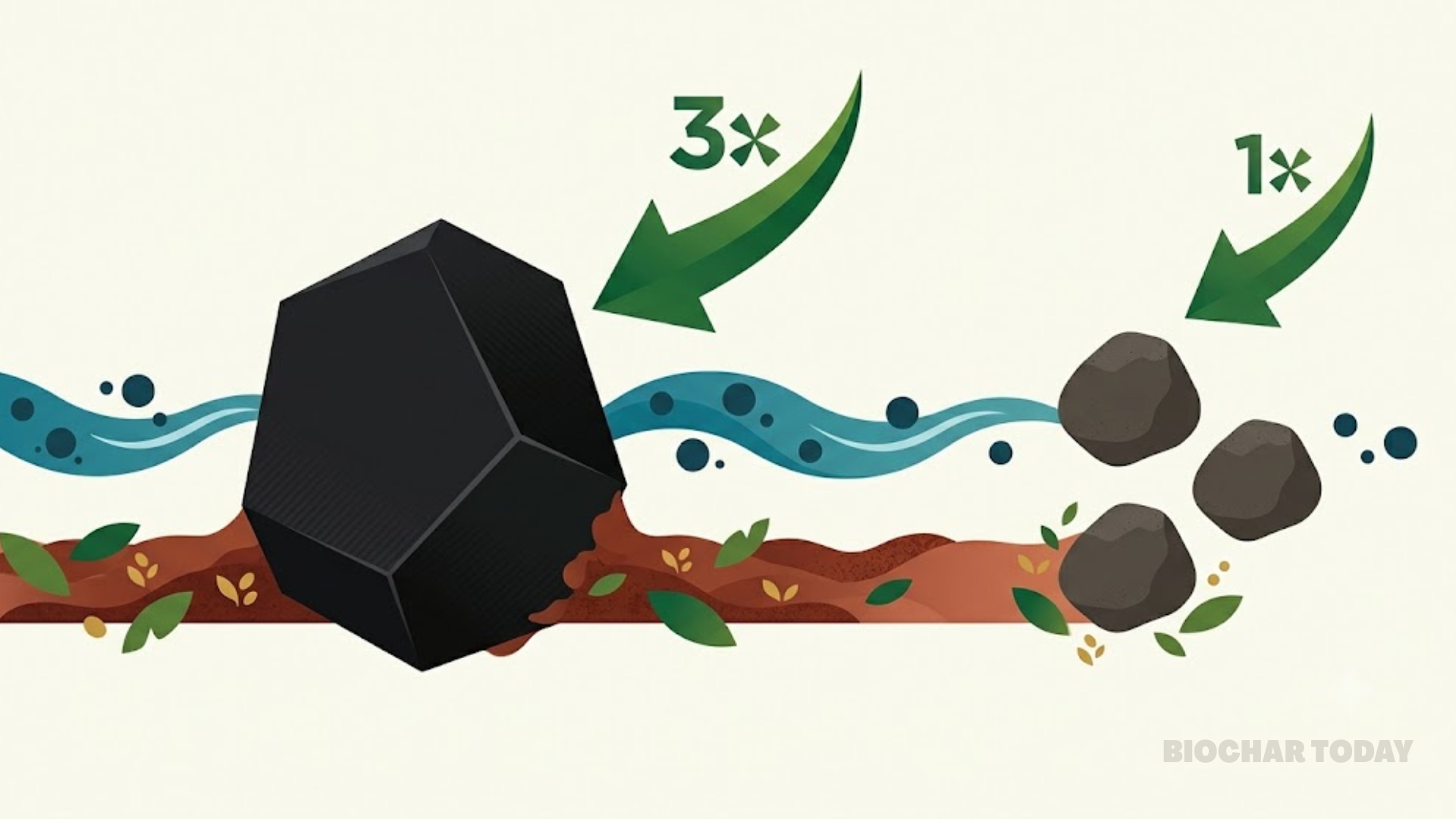
To resolve these issues, Assiniboine College has implemented specific research projects utilizing biocharBiochar is a carbon-rich material created from biomass decomposition in low-oxygen conditions. It has important applications in environmental remediation, soil improvement, agriculture, carbon sequestration, energy storage, and sustainable materials, promoting efficiency and reducing waste in various contexts while addressing climate change challenges. More. One initiative, “Waste-Derived Alternatives for Peat-Reduced Growing Media,” incorporates biochar alongside wood fibers and other agricultural waste to standardize new substrate formulas. A parallel study, “Optimizing Biochar and Composts,” evaluates diverse biochar feedstocks to determine their physicochemical suitability for containerized production. Furthermore, the college is testing biochar applications in pellet and powder forms specifically to mitigate soil erosion on cropping field slopes, directly addressing land degradation.
The outcome of these initiatives is the identification of environmentally sustainable alternatives that reduce the ecological footprint of horticultural systems. By standardizing testing methods for these materials, the research provides industry partners with data-driven evidence to adopt biochar-based substrates. The inclusion of these projects contributed to the college’s elevated national ranking, demonstrating the academic and industrial value of biochar research. These efforts are paving the way for reduced peat consumption and improved soil stability in Western Canadian agriculture.



Leave a Reply