
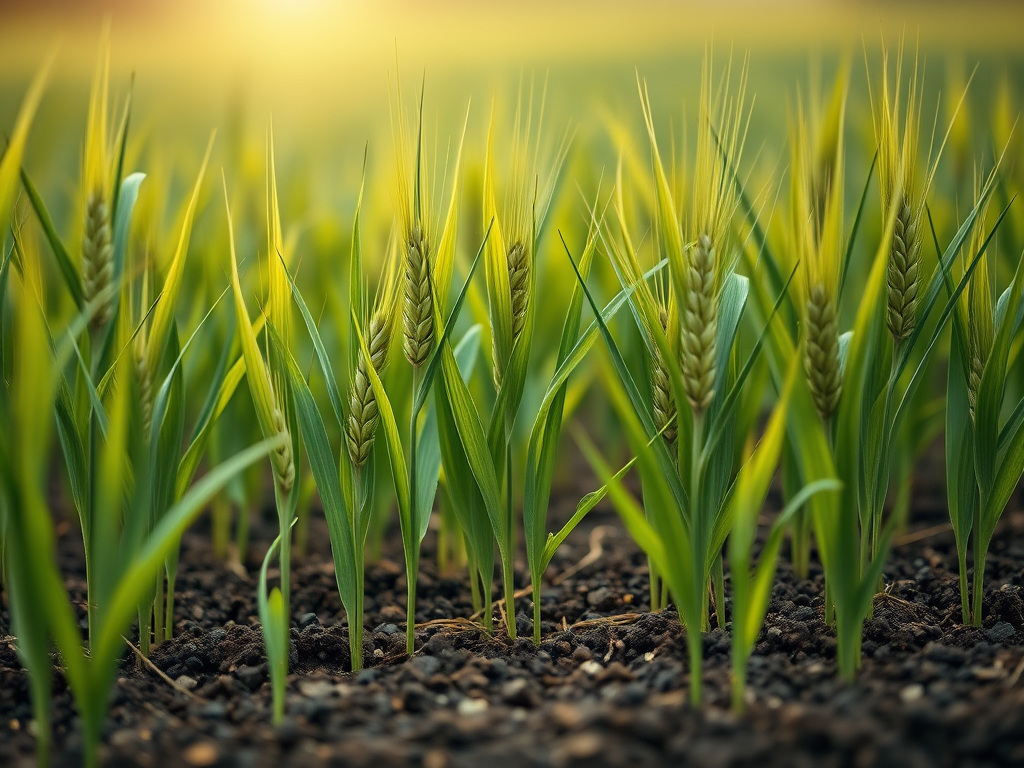
Ghulam Murtaza et al, in their article published in Ecotoxicology and Environmental Safety , explore the combined potential of Achyranthes japonica-derived biocharBiochar is a carbon-rich material created from biomass decomposition in low-oxygen conditions. It has important applications in environmental remediation, soil improvement, agriculture, carbon sequestration, energy storage, and sustainable materials, promoting efficiency and reducing waste in various contexts while addressing climate change challenges. More and allantoin in mitigating lead (Pb) toxicity during barley growth. This innovative study addresses the dual challenges of managing invasive plant species and remediating Pb-contaminated soils.
The research employed seven treatments, including biochar, allantoin, and their combinations, on barley grown in lead-contaminated soil. Results demonstrated that co-application of biochar and allantoin significantly enhanced plant growth metrics, including root and shoot length, biomassBiomass is a complex biological organic or non-organic solid product derived from living or recently living organism and available naturally. Various types of wastes such as animal manure, waste paper, sludge and many industrial wastes are also treated as biomass because like natural biomass these More, and grain yield, compared to untreated controls. For instance, shoot length increased by 70% with combined treatment, while root length rose by 69%. These improvements are attributed to enhanced soil properties, nutrient absorption, and antioxidant enzyme activity.
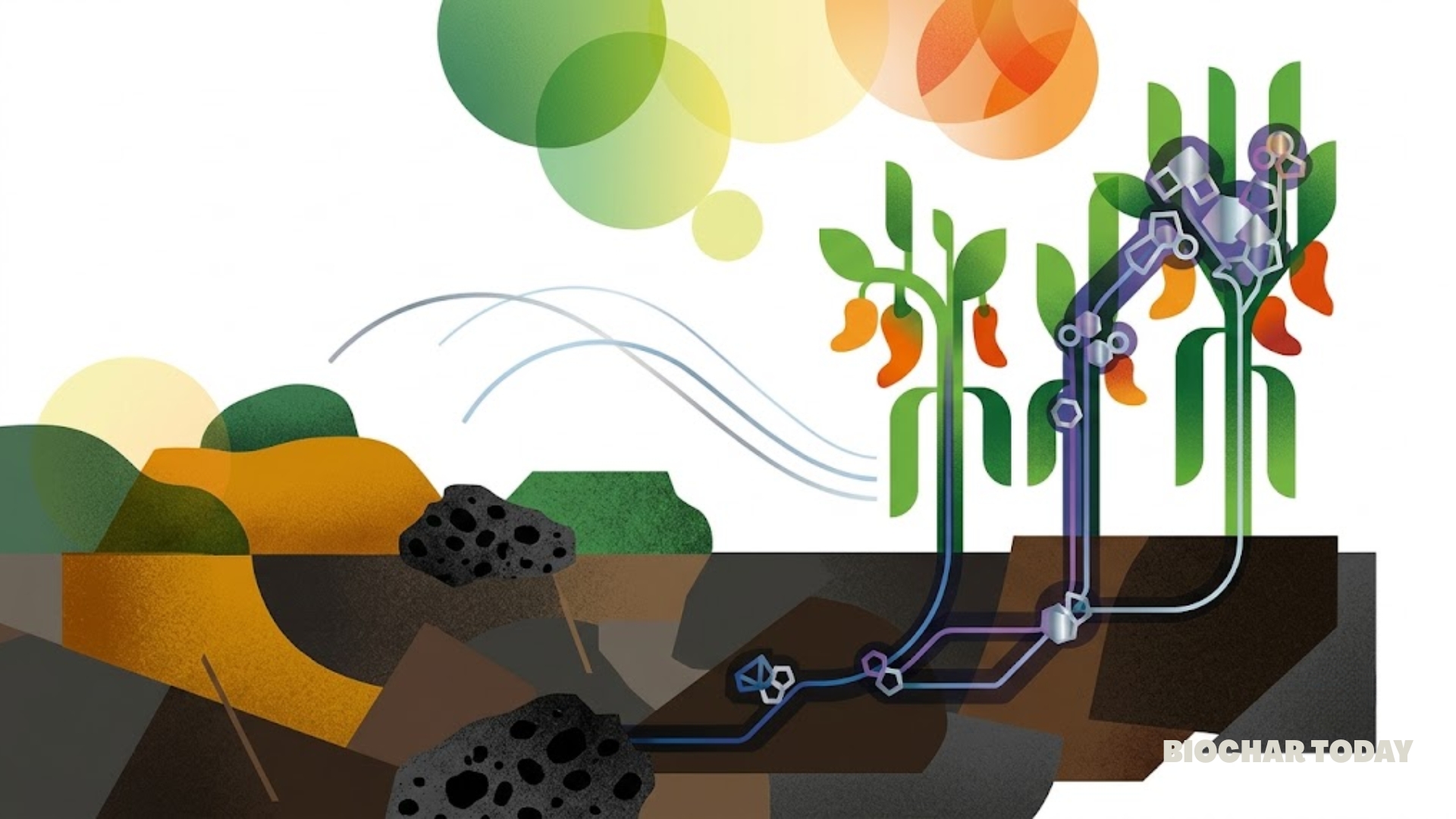
Under lead stress, biochar and allantoin increased chlorophyll content and reduced oxidative damage by boosting enzymes such as superoxide dismutase (SOD), peroxidase (POD), and catalase (CAT). The treatment also limited lead accumulation in roots, shoots, and grains, reducing potential health risks. Biochar’s porous structure and allantoin’s nitrogen-rich composition proved complementary, improving soil fertility and promoting resilience against Pb-induced stress.
This study highlights a sustainable strategy for utilizing invasive plant biomass as biochar while enhancing crop productivity in polluted soils. The combined use of Achyranthes japonica biochar and allantoin offers a promising approach for environmental remediation and agricultural sustainability.
SOURCE: Murtaza, G., Hassan, N. E., Usman, M., Deng, G., Ahmed, Z., Iqbal, J., Elshikh, M. S., Rizwana, H., Ali, B., Iqbal, R., & Lackner, M. (2025). Synergistic effects of allantoin and Achyranthes japonica-biochar profoundly alleviate lead toxicity during barley growth. Ecotoxicology and Environmental Safety, 290, 117784. https://doi.org/10.1016/j.ecoenv.2025.117784



Leave a Reply