
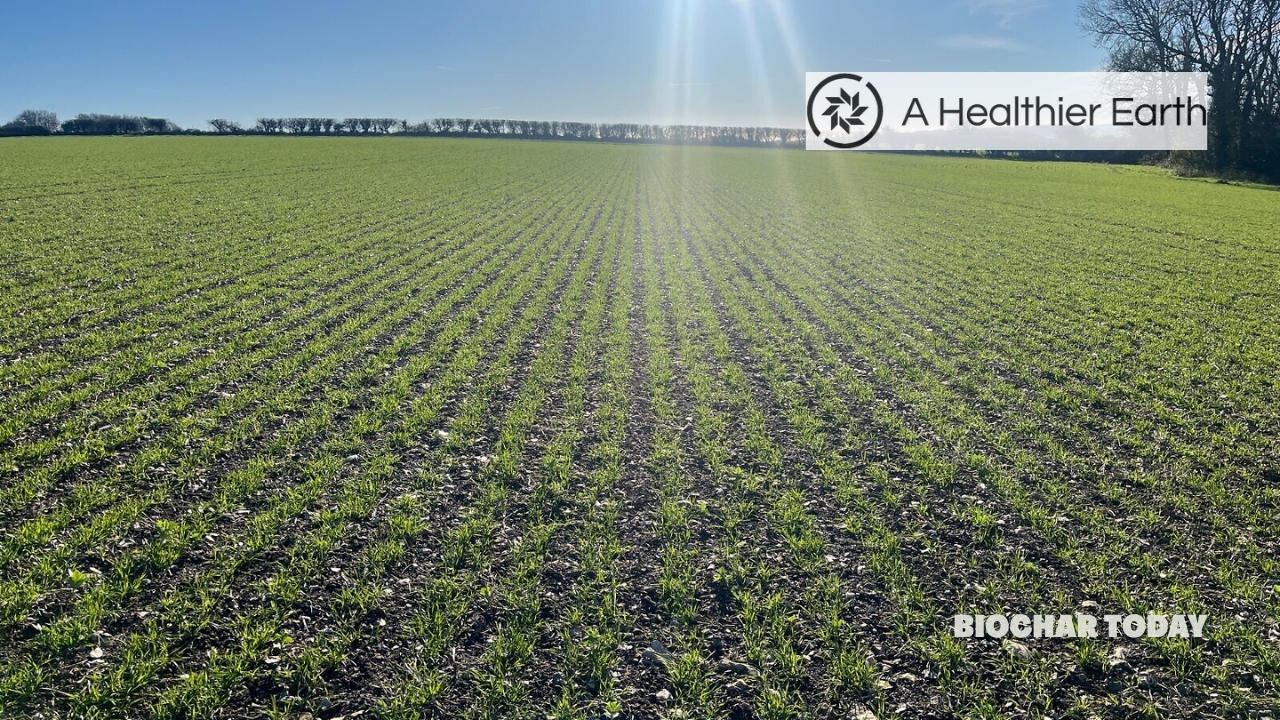
In a significant move for the United Kingdom’s agricultural sector, A Healthier Earth and Cefetra Ltd have been awarded a £1.34 million grant from the Department for Environment, Food and Rural Affairs (Defra). This funding, delivered through the Farming Innovation Programme and Innovate UK, is designated for the development and commercialization of biogenic, low-carbon fertilizers. The project aims to utilize biocharBiochar is a carbon-rich material created from biomass decomposition in low-oxygen conditions. It has important applications in environmental remediation, soil improvement, agriculture, carbon sequestration, energy storage, and sustainable materials, promoting efficiency and reducing waste in various contexts while addressing climate change challenges. More and other organic materials to create a sustainable alternative to conventional synthetic nitrogen fertilizers, which are major contributors to greenhouse gas emissions and environmental degradation in British farming.
The primary challenge addressed by this partnership is the high carbon footprint and environmental instability of modern fertilizer reliance. Traditional synthetic fertilizers are energy-intensive to produce and often lead to nutrient runoff, which damages local water ecosystems. Furthermore, UK farmers face increasing pressure to meet stringent net-zero targets while maintaining crop yields amidst fluctuating global supply chains and rising input costs. Transitioning away from chemical-heavy inputs requires a scalable, scientifically-proven alternative that does not compromise the financial viability of commercial agricultural operations.
The solution proposed by A Healthier Earth and Cefetra Ltd involves the integration of high-stability biochar into a specialized fertilizer blend. This biogenic fertilizer is designed to enhance nutrient delivery while simultaneously sequestering carbon in the soil for the long term. By combining A Healthier Earth’s expertise in carbon removal technologies with Cefetra’s extensive agricultural supply chain network, the project will conduct large-scale field trials to optimize application rates and demonstrate the efficacy of the product across various soil types and crop varieties typical of the UK landscape.
Expected outcomes of this initiative include a measurable reduction in on-farm Scope 3 emissions and the establishment of a robust supply chain for low-carbon agricultural inputs. By proving the commercial viability of biogenic fertilizers, the project aims to provide UK farmers with a practical tool to improve soil health and resilience. Additionally, the collaboration anticipates that the resulting data will support the broader adoption of regenerative practices, ultimately positioning the UK as a leader in biogenic agricultural innovation and helping to bridge the gap between environmental sustainability and food security.


![Eucalyptus Wood Waste-Derived Biochar Achieves a Ninety-Eight Percent Removal Efficiency for Benzo[ghi]perylene in Vehicle-Wash Wastewater](https://biochartoday.com/wp-content/uploads/2026/10/SCIENCE-BLOGS-2026-2026-10-19T160523.703.jpg)


Leave a Reply