
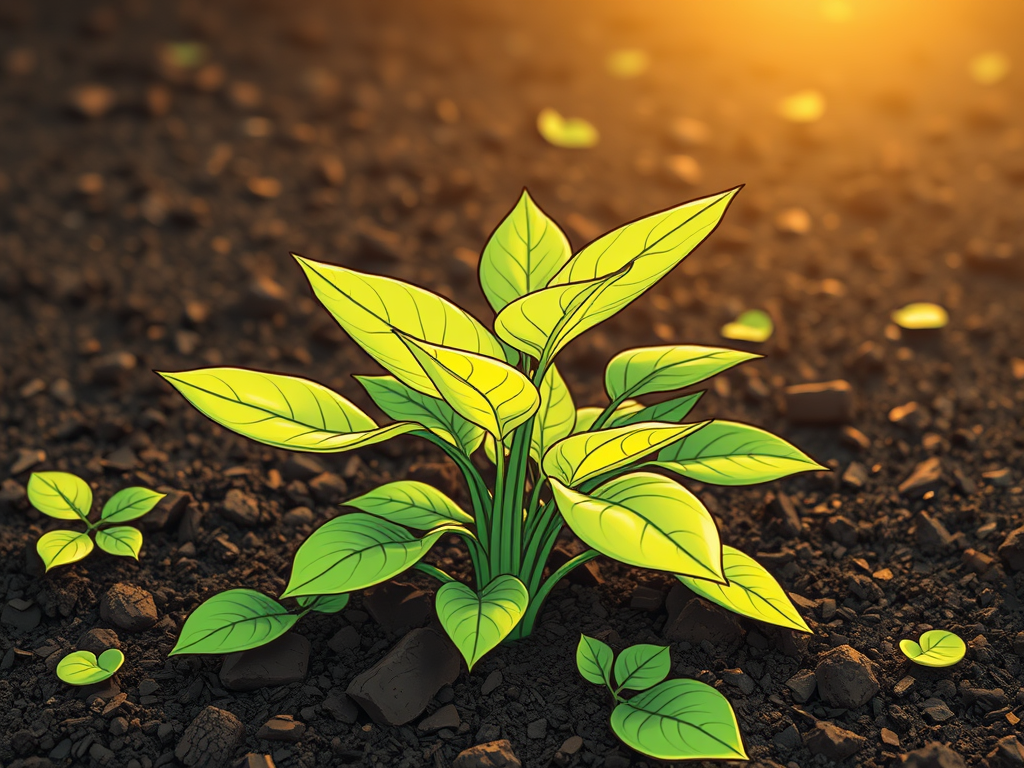
In a recent study published in the Journal of Agriculture and Food Research, Gang Deng, Chigui Xiao, and colleagues explored how pear tree biocharBiochar is a carbon-rich material created from biomass decomposition in low-oxygen conditions. It has important applications in environmental remediation, soil improvement, agriculture, carbon sequestration, energy storage, and sustainable materials, promoting efficiency and reducing waste in various contexts while addressing climate change challenges. More affects the growth and stress response of Yunnanopilia longistaminea, a forest vegetable, in copper-contaminated soil. The research highlights that adding pear tree biochar to contaminated soil can significantly enhance the plant’s growth while also reducing the harmful effects of copper.
Heavy metal pollution, particularly from elements like copper, poses a significant threat to agricultural productivity and environmental health. Yunnanopilia longistaminea, a plant valued for its distinct flavor and nutritional benefits, is often cultivated in the Yunnan Province of China. However, copper-contaminated soils can hinder its growth and development. The study found that incorporating pear tree biochar into copper-contaminated soil improved several growth factors of Y. longistaminea seedlings. Specifically, the addition of 3% biochar increased fresh biomassBiomass is a complex biological organic or non-organic solid product derived from living or recently living organism and available naturally. Various types of wastes such as animal manure, waste paper, sludge and many industrial wastes are also treated as biomass because like natural biomass these More, plant height, and chlorophyll content in the leaves.
Furthermore, the biochar treatment reduced oxidative stress in the plants. Oxidative stress, indicated by substances like malondialdehyde and proline, was lower in plants treated with biochar. The biochar also influenced the plant’s biochemistry by increasing soluble sugars and proteins, which are important for its health and growth.
Additionally, the research showed that pear tree biochar can reduce the uptake of copper by the plant’s roots, stem, and leaves. This reduction in copper uptake is crucial for mitigating its toxic effects. The biochar also altered the soil’s properties, increasing electrical conductivity and decreasing the availability of copper.
In conclusion, this study provides evidence that pear tree biochar is a valuable tool for improving the growth of Yunnanopilia longistaminea in copper-contaminated soils. The findings suggest that biochar can help in the phytoremediationThis is a technique that uses plants to clean up contaminated soil or water. Biochar can enhance phytoremediation by improving soil conditions and promoting plant growth, allowing plants to absorb and break down pollutants more effectively. More of polluted soils, offering a sustainable approach to land restoration.
SOURCE: Deng, G., Xiao, C., Tan, S., Xie, J., Liu, Z., Xu, L., … & Shen, S. (2025). Influence of pear tree biochar on the growth and oxidative stress of Yunnanopilia longistaminea a forest vegetable planted in copper-contaminated soil. Journal of Agriculture and Food Research, Volume, Pages.




Leave a Reply