
Key Takeaways
- The Problem: The common herbicide 2,4-D is a “possible carcinogen” that can persist in soil for 20 to over 300 days, posing risks to health and the environment.
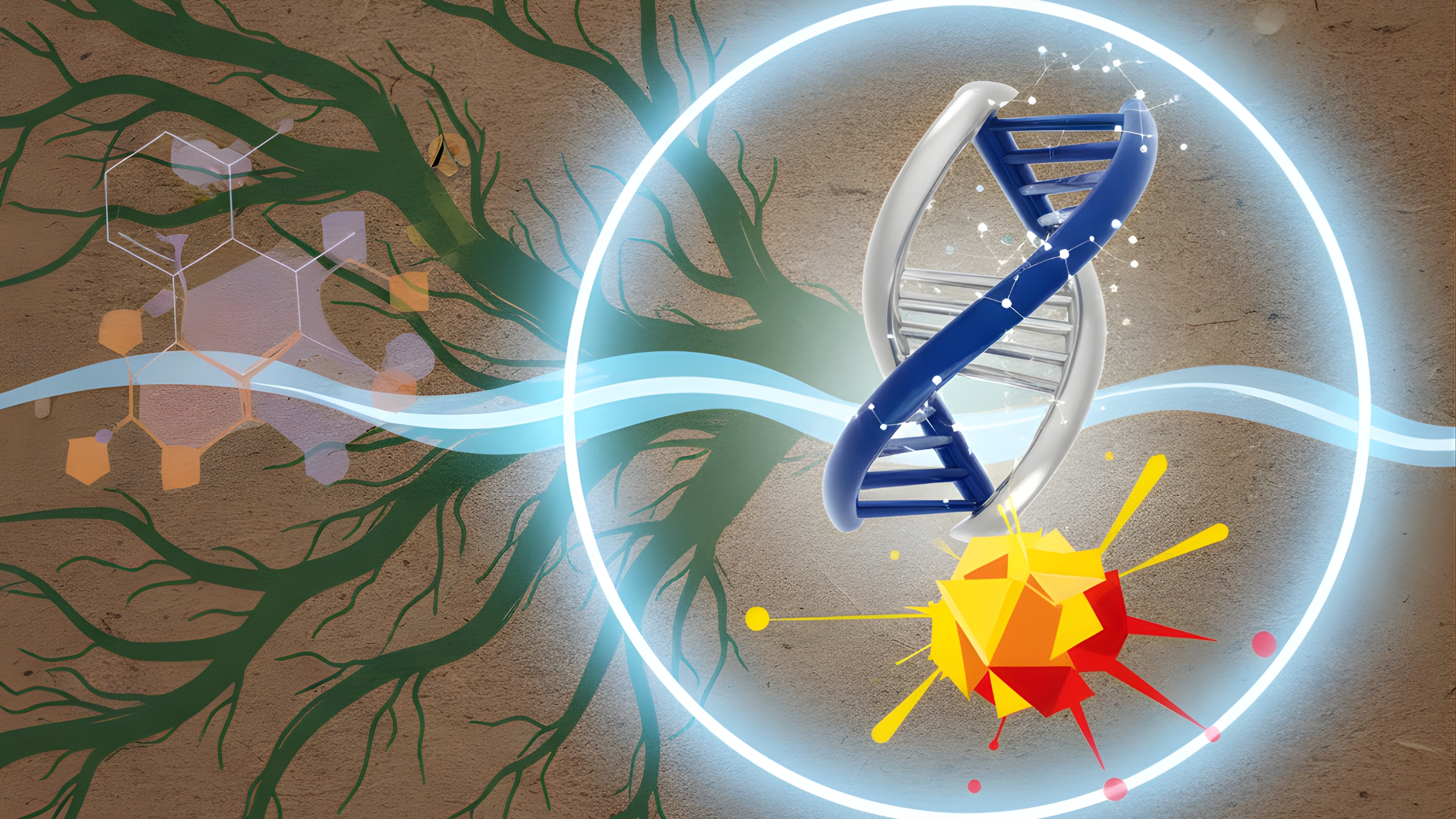
- A “Trap and Destroy” Solution: A nanocomposite combining biocharBiochar is a carbon-rich material created from biomass decomposition in low-oxygen conditions. It has important applications in environmental remediation, soil improvement, agriculture, carbon sequestration, energy storage, and sustainable materials, promoting efficiency and reducing waste in various contexts while addressing climate change challenges. More and graphitic carbon nitride offers a dual-action fix. The biochar adsorbs (traps) the 2,4-D and the g-C3N4 uses light to create reactive oxygen species that destroy it..
- Synergy is Key: The biochar acts as an electron acceptor, supercharging the g-C3N4 ‘s ability to destroy the herbicide by preventing its internal “ammunition” from deactivating too quickly.
- It’s Still Experimental: This review highlights that while the potential is high, there is very limited direct research on using this specific composite for 2,4-D in soil.
- Hurdles to Overcome: Before this can be used on farms, researchers must address major challenges, including its reliance on UV light, the high cost of production, and the unknown long-term ecological impact of putting these nanoparticles in soil.
The herbicide 2,4-D is one of the most widely used synthetic auxins in the world, prized by agriculture for its low cost and high efficacy in controlling broadleaf weeds. But this convenience comes at a steep environmental price. 2,4-D is persistent, with a half-life in soil ranging from 20 to over 300 days. This lingering contamination poses significant risks, as prolonged exposure is linked to endocrine disruption, potential carcinogenicity (classified as a Group 2B carcinogen), and other serious health concerns. A new review published in Discover Environment by Solomon Tibebu Abebe Worku and Tsedekech Gebremeskel Weldmichael explores a high-tech potential solution: a novel nanocomposite designed to attack 2,4-D with a one-two punch.
The proposed solution is a hybrid material, a nanocomposite, that combines biochar with graphitic carbon nitride. This isn’t just a simple mixture; it’s a synergistic combination where each part plays a distinct and crucial role in remediation. The first part of this dual-action system is biochar, a stable, carbon-rich material produced from biomassBiomass is a complex biological organic or non-organic solid product derived from living or recently living organism and available naturally. Various types of wastes such as animal manure, waste paper, sludge and many industrial wastes are also treated as biomass because like natural biomass these More (like wood or crop waste). The biochar acts as the “trap.” Thanks to its incredibly high surface area and porous structure, it excels at adsorption—grabbing 2,4-D molecules from the soil and holding them tight. This first step immobilizes the herbicide, preventing it from leachingLeaching is the process where nutrients are dissolved and carried away from the soil by water. This can lead to nutrient depletion and environmental pollution. Biochar can help reduce leaching by improving nutrient retention in the soil. More into groundwater or being absorbed by other plants.
Once the 2,4-D is trapped, the second component, goes to work as the “destroyer.” Graphitic carbon nitride is a remarkable photocatalyst. When exposed to light, especially UV light, it becomes activated. This activation generates a swarm of highly reactive oxygen species (ROS), such as hydroxyl radicals. These ROS are powerful oxidizing agents that chemically attack the 2,4-D molecules held by the biochar, breaking them down into simpler, less harmful byproducts like CO2 and H2O. This dual-action process of “adsorb and photodegrade” is what makes the nanocomposite so promising.
The true innovation, as the review points out, is the synergy between the two materials. The biochar does more than just trap the pollutant; it also acts as an electron acceptor and transporter. In simple terms, it helps the g-C3N4 work more efficiently by preventing its photogenerated “ammunition” (electron-hole pairs) from recombining too quickle. This separation prolongs the lifetime of the charge carriers, which in turn boosts the generation of the ROS “destroyers”. The biochar essentially supercharges the g-C3N4 photocatalytic power, creating a system far more effective than either component would be alone.
However, Worku and Weldmichael are careful to frame this as a review of potential, not a proven field-ready solution. Their review identifies a critical research gap: while biochar and g-C3N4 have been studied individually, their combined use as a nanocomposite for remediating 2,4-D in soil is not yet extensively studied. While lab studies show high potential, real-world application faces significant hurdles. These challenges include a dependency on UV light (though modifications to use visible light are being researched), the energy-intensive cost of producing biochar, and the fact that the composites can get “clogged” (surface fouling) in a complex soil matrix, limiting their reusability. Most importantly, the long-term ecological impact of introducing these nanoparticles into soil ecosystems remains largely unknown and requires thorough investigation.
This review effectively charts a path forward. It highlights a promising technology that could tackle a persistent environmental toxin. The next steps for research are clear: optimize the nanocomposite to be cheaper, effective under natural sunlight, and demonstrably safe for long-term use in our agricultural environments.
Source: Worku, S. T. A., & Weldmichael, T. G. (2025). Potential of biochar g-C3N4 nanocomposites in soil remediation of 2,4-D with mechanistic insights and future prospects. Discover Environment, 3(197)




Leave a Reply