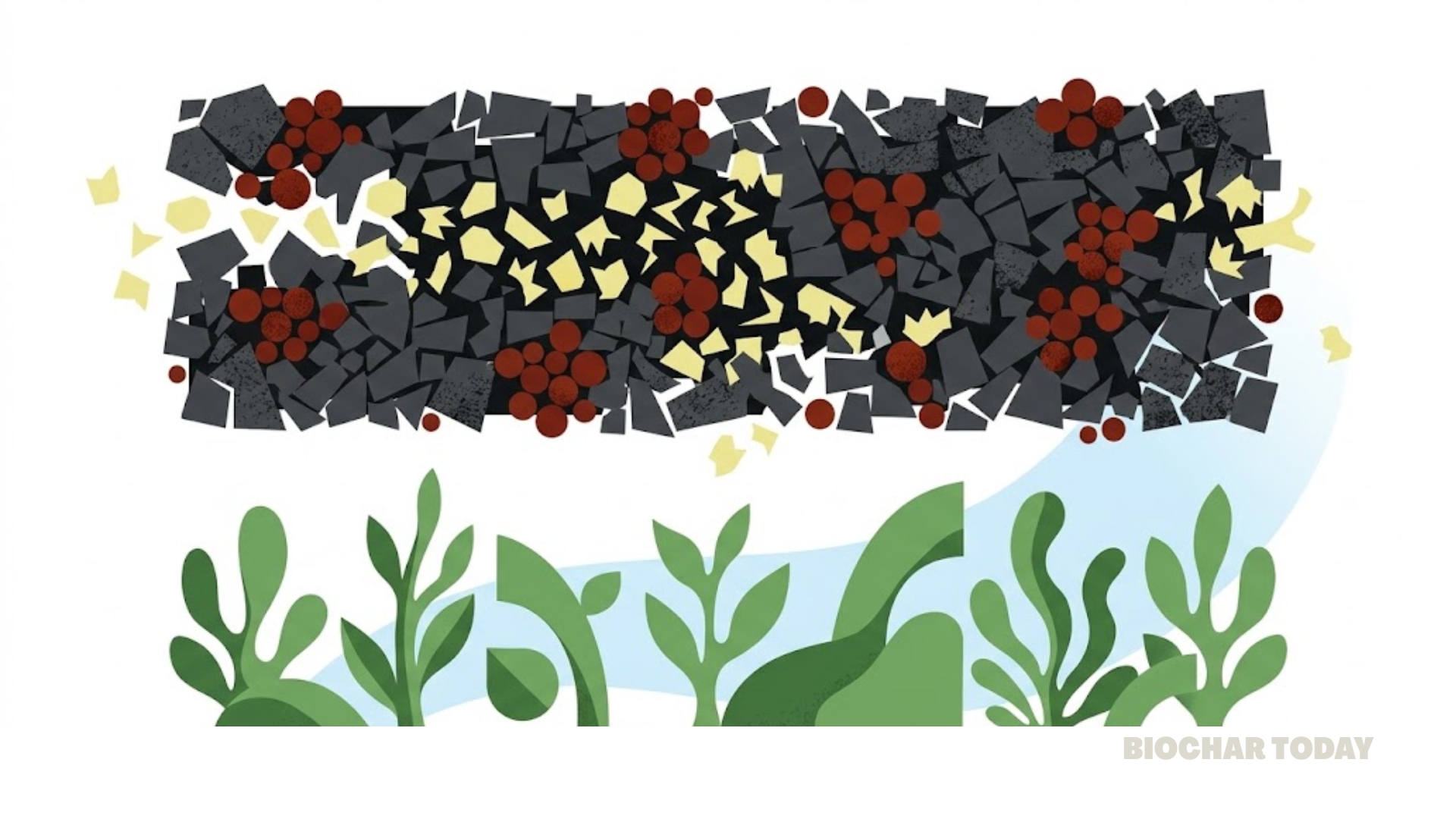
Ash is the non-combustible inorganic residue that remains after organic matter, like wood or biomass, is completely burned. It consists mainly of minerals and is different from biochar, which is produced through incomplete combustion.

Ash is the residue that remains after the complete combustion of biomass. During biochar production, the non-combustible components of the biomass, which are essentially the ash content, are retained in the biochar. Ash contains significantly less carbon than biochar.
Why Ash Matters:
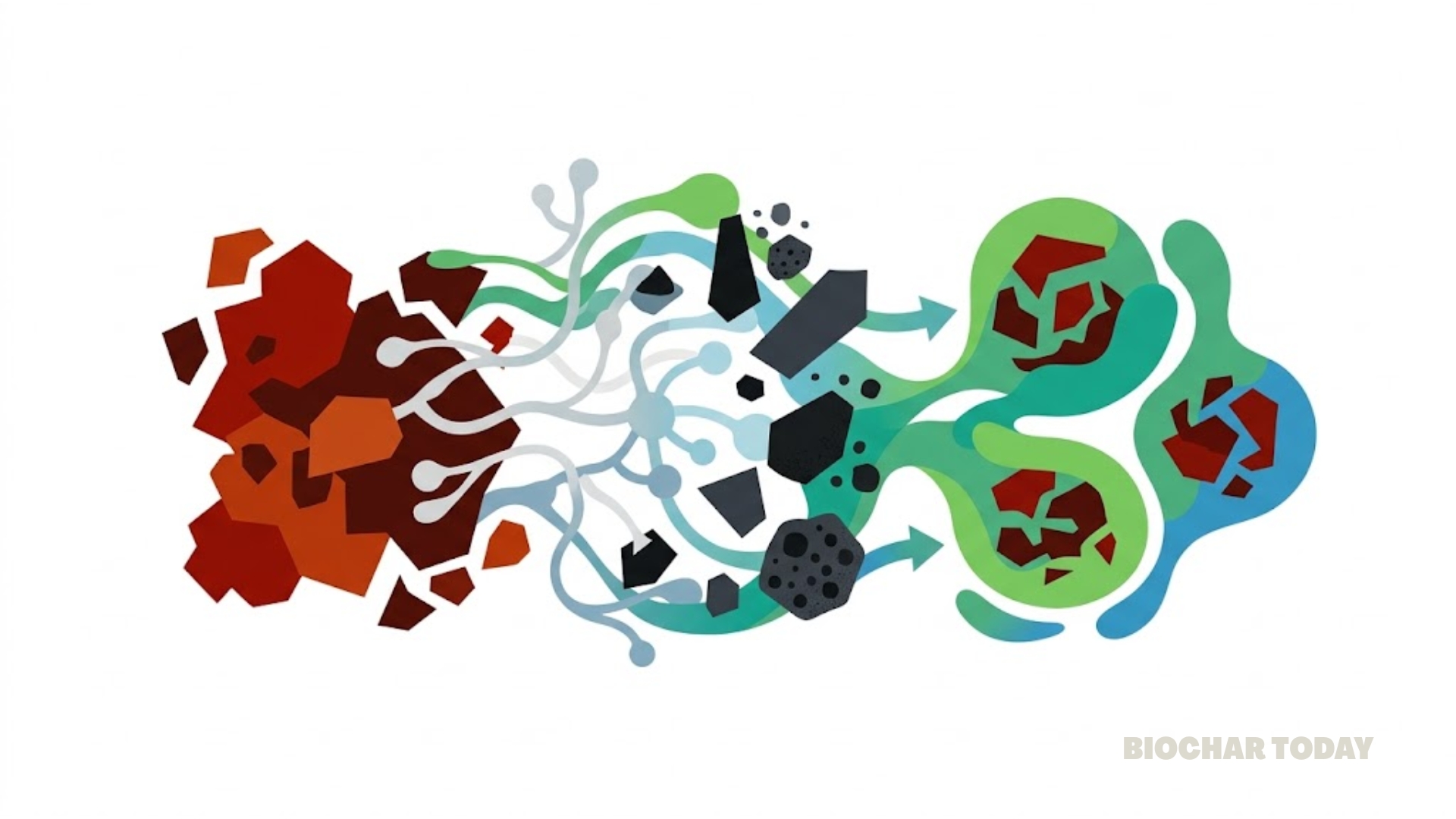
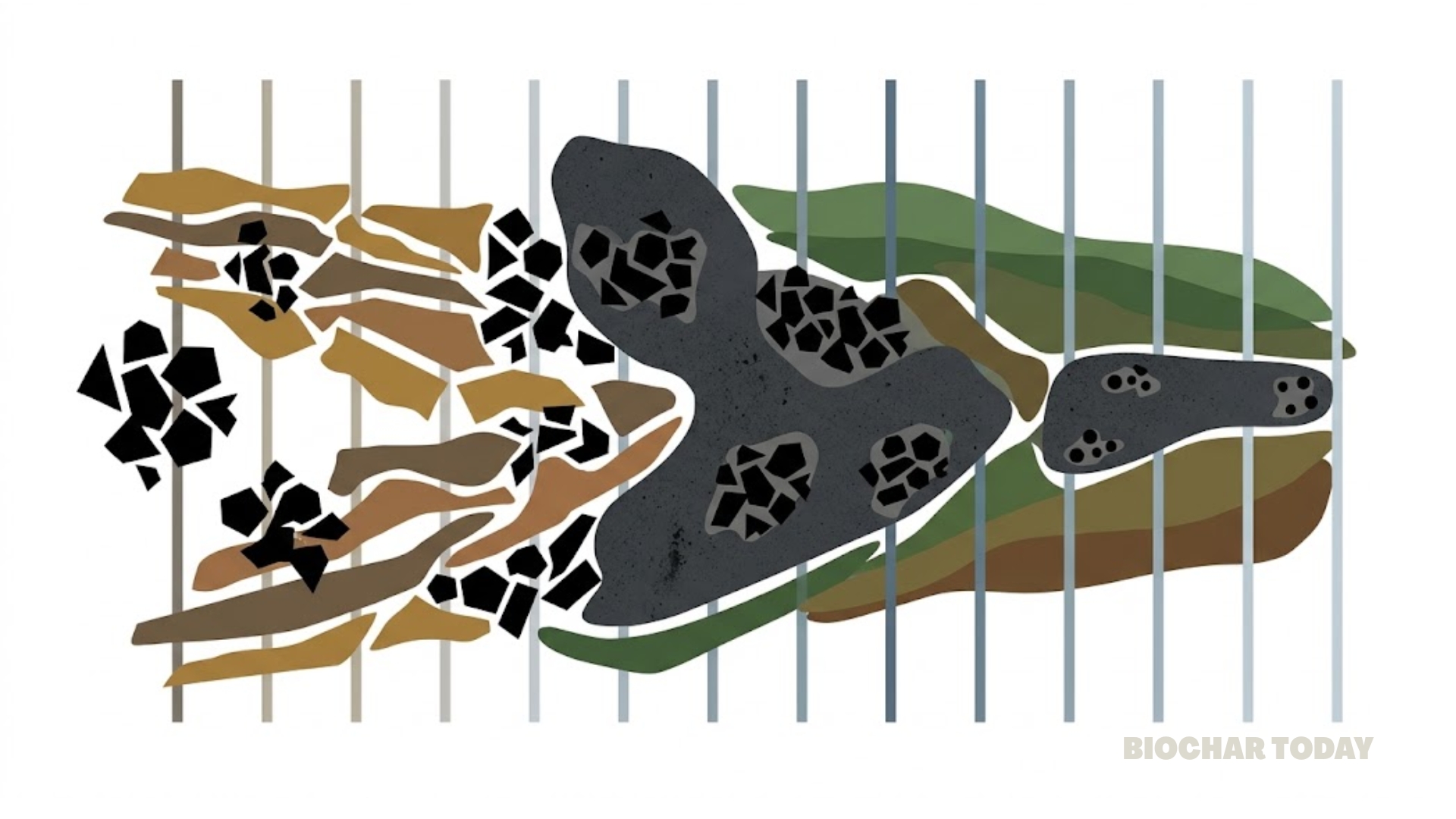
Ash is important because it can be used as a soil amendment to improve soil properties and potentially increase crop productivity. Due to its alkalinity, ash can increase soil pH, particularly in acidic soils. It also provides important plant nutrients such as potassium, calcium, and magnesium. When mixed with biomass during biochar production, ash can increase biochar yield, improve carbon conversion efficiency, and moderate mineral release. Co-application of ash and biochar can also synergistically improve soil properties, nutrient availability, and crop yields.
In essence, while distinct in their production and composition (especially carbon content), ash and biochar are closely related materials derived from biomass, sharing some common beneficial characteristics as soil amendments. Their combined use, particularly in the form of biochar-ash composites or co-application, may offer additional advantages in improving soil health and agricultural productivity.