

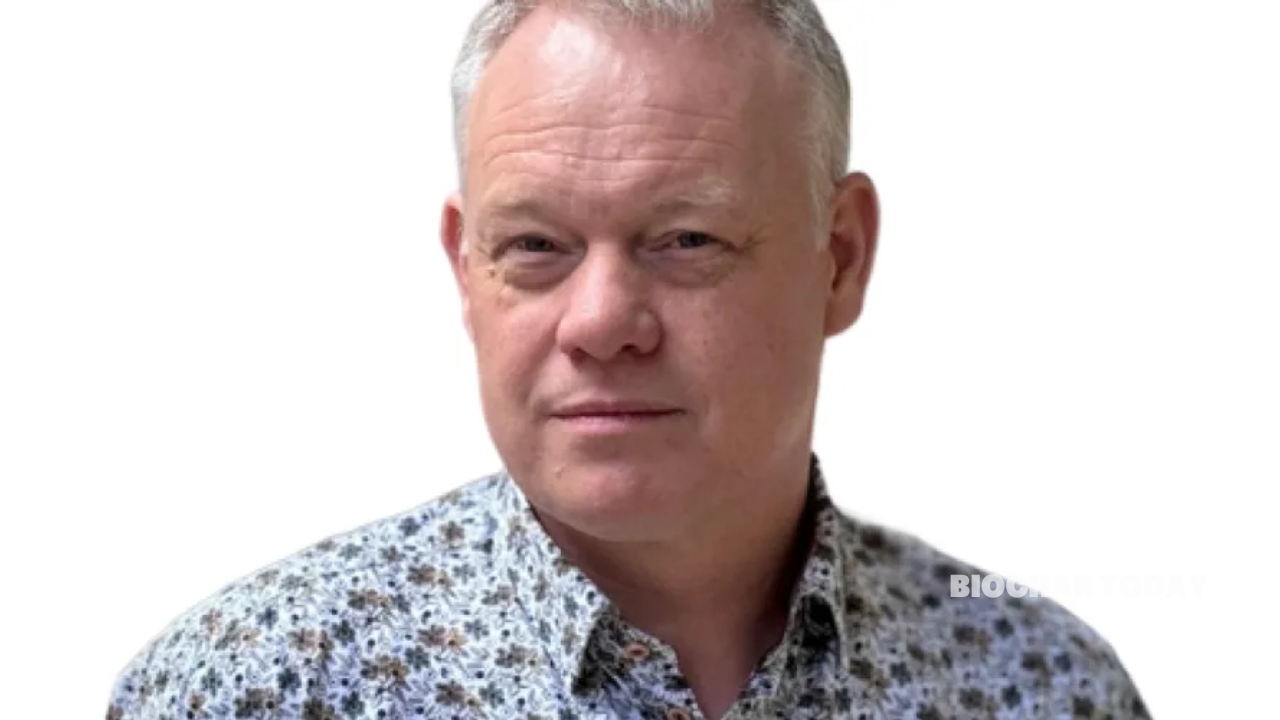
BiocharBiochar is a carbon-rich material created from biomass decomposition in low-oxygen conditions. It has important applications in environmental remediation, soil improvement, agriculture, carbon sequestration, energy storage, and sustainable materials, promoting efficiency and reducing waste in various contexts while addressing climate change challenges. More Today is growing! I’m pleased to announce the latest addition to the Biochar Today team: Dr. Shanthi Prabha.
Dr. Prabha has been a regular contributor to Biochar Today over the last year, sharing research from her team at the Advanced Centre of Environmental Studies and Sustainable Development (ACESSD) (Mahatma Gandhi University) on topics like using invasive plant species to create biochar for environmental remediation, and the role of nano biochar in targeted cancer drug delivery.
As Science Editor for Biochar Today, Dr. Prabha will contribute regular stories on the state of global biochar research, and will write profile pieces based on interviews with researchers making significant contributions to the field. She’s a fascinating and interdisciplinary thinker with an accessible writing style perfect for communicating complex scientific topics to a broad audience.
I recently sat down with Dr. Prabha to discuss her background, work, and interests. Here are a few highlights from our conversation.
TH: Can you describe your current role as Environmental Scientist and Research Coordinator at Mahatma Ghandi University? How did you get to where you are today?
SP: I am Dr. Shanthi, the proud Science Editor of Biochar Today. This role feels like a manifestation of childhood dreams. Growing up in a remote village of Kerala, in India during the 1980s, my father subscribed to magazines like Science in USSR, Misha, and Sputnik, published in the Soviet Union. Those shiny pages filled with science, nature, and global wonders captivated me. Sitting between my father and a Concise Oxford Dictionary, I embarked on a journey of curiosity and learning. As Paulo Coelho beautifully wrote, “When you want something, all the universe conspires in helping you achieve it.” My life embodies this sentiment. Though I dreamt of studying literature—enchanted by Shakespeare, Shelley, and Dickens—destiny led me to graduate in Zoology and pursue a Master’s in Environmental Science.
My passion for research took flight when I joined the National Centre for Earth Science Studies in Trivandrum, Kerala. Two incredible years with their Environmental Science team inspired me to delve deeper, leading to a PhD in Environmental Science. My research focused on the effect of biochar on wetland rice soil carbon dynamics, exploring its potential as a carbon mitigation tool. It was a thrilling period of independent discovery that solidified my expertise in biochar’s transformative impact. After submitting my thesis, I joined the Advanced Centre of Environmental Studies and Sustainable Development at Mahatma Gandhi University, Kerala, India, as a Research Fellow. Soon after, I was awarded the prestigious University Grants Commission Postdoctoral Fellowship of India Government, enabling me to research independently for five years. Those years were like flying as a falcon—free and focused—giving me the strength to soar even higher in biochar research.
Today, I balance my role as an Environmental Research Scientist with my passion for writing and sharing knowledge. Becoming a science blogger and now the Science Editor of Biochar Today feels like a dream fulfilled. I owe my journey to the unwavering support of dear and near ones, especially to my life partner, and I sincerely trust that life is a testament to the power of sincere wishes and the magic of those who stand by us.
TH: How did you first discover biochar? What is it about biochar that you find the most interesting and/ or important?
SP: My introduction to biochar was serendipitous. A friend mentioned it in passing, though neither of us knew much about this “cool stuff” at the time. Naturally, I turned to my trusted Concise Oxford Dictionary, and that was just the beginning. A fascinating twist came when an elderly acquaintance shared the traditional technique of making biochar using an earthen kiln. Intrigued, I decided to give it a try. With my father by my side, we prepared our first batch of char at home using rubber wood. The memory is vivid—the gleaming, jet-black char pieces felt magical in my hands. That shimmer and its incredible potential set me firmly on the path of biochar research. What captivates me most about biochar is its versatility. This humble black substance can tackle a range of environmental issues with remarkable ease. Whether prepared crudely or with precision, it retains its unique properties, making it accessible to everyone—from resource-strapped farmers revitalizing degraded soil to industry giants exploring carbon trading. It’s a material that serves without bias, like a father’s unwavering support for his daughter. And yes, I adore its color—black, bold, and full of promise. Biochar is more than a research focus; it’s a solution that bridges the gap between hope and reality, offering a sustainable way forward for our planet.
TH: Describe your current research interests. What have you published that is most representative of your research?
SP: When I talk about my research, it’s always with immense gratitude and excitement. My strode with biochar has been a profoundly fulfilling exploration and over the years, I’ve tried into its diverse applications—using it as a soil amendmentA soil amendment is any material added to the soil to enhance its physical or chemical properties, improving its suitability for plant growth. Biochar is considered a soil amendment as it can improve soil structure, water retention, nutrient availability, and microbial activity. More, a water pollutant adsorbent, an air purifier, and even in cutting-edge biomedical fields as biochar nanocomposites. Its versatility extends to dyes, innovative packaging materials, and beyond, making every discovery an adventure. I have focused on biochar’s role in soil carbon sequestration and climate change mitigation since 2008. Much of this work has involved transforming invasive wetland weeds like Eichhornia and Salvinia into biochar. These biochars have been applied to wetland rice soils, enhancing soil carbon storage and reducing greenhouse gas emissions. This research is at the heart of my passion for climate-smart agriculture, where biochar serves as both a solution and a symbol of innovation. Another area close to my heart is using biochar for wastewater treatment and also for other applications like air filters, then biochar based carbon dots for environmental applications etc. Publishing my findings has also been an essential and rewarding part of this journey. Writing scientific papers allows me to share my insights and contribute to the broader field. One of our most impactful publications, featured in Environmental Management by Springer, was titled Invasive Wetland Weeds Derived Biochar Properties Affecting Soil Carbon Dynamics of South Indian Tropical Ultisol. It represents the core of my research, showcasing biochar’s influential role in soil health and carbon dynamics. For me, biochar is more than a research focus—it’s a lifelong fascination, a source of endless possibilities, and a pathway to meaningful environmental solutions. With every experiment and collaboration, I discover new ways biochar can help us build a sustainable future.
TH: In your Linkedin profile, you say that you also have interests in nature-related literature and painting. What are your favorite nature-related books? Do you have a painting that you are proud of and would be willing to share a picture of?
SP: I have a deep appreciation for literature, especially works that celebrate the beauty and intricacies of nature. I’m particularly fond of authors like Ruskin Bond, whose detailed descriptions bring nature to life, and poets like Wordsworth, whose verses are a timeless ode to the natural world. Among the books I’ve enjoyed are A Walk in the Woods, Future Shock, and Silent Spring, with plenty more on my reading list.
Painting is another way I connect with nature. I love capturing its essence on canvas, especially the myriad shades of green and the intricate details that evoke tranquility. Here are two of my favorite paintings, created using acrylic on canvas, where I’ve tried to bring the serenity of nature to life.


TH: Why are you excited to join Biochar Today?
SP: I’m thrilled and honored to join Biochar Today! This platform perfectly fits me as a passionate biochar researcher, offering both the freedom and supportive environment that science enthusiasts crave. The way Biochar Today fosters a progressive and innovative approach to science is truly inspiring. I firmly believe this community will supercharge my scientific journey, igniting fresh ideas and spark collaborations. As someone who holds science close to my heart, I’m eager to contribute with enthusiasm and dedication, helping take Biochar Today to even greater heights. Yes, I think this is a perfect cocktail of passion and purpose which will bring together an exciting chapter of discovery and growth.
Do you have a science story you’d like to share? Drop us a line at inquiries@biochartoday.com

Leave a Reply