
By Joel E. Dulin (President, Jozana Grant Services)
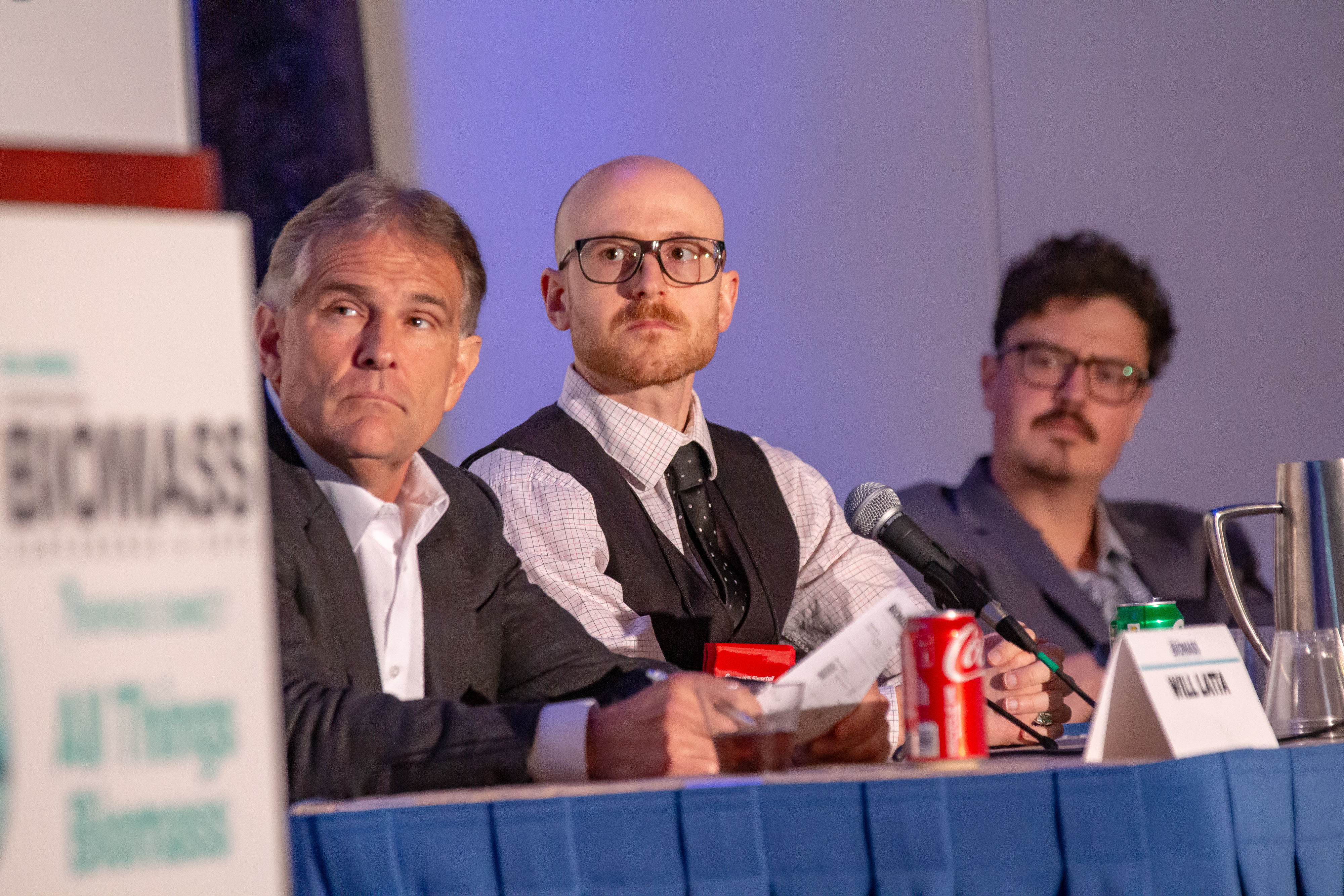
The 2025 International BiomassBiomass is a complex biological organic or non-organic solid product derived from living or recently living organism and available naturally. Various types of wastes such as animal manure, waste paper, sludge and many industrial wastes are also treated as biomass because like natural biomass these More Conference & Expo recently wrapped up in Atlanta, bringing together nearly 900 industry professionals at the Cobb Galleria Centre from March 18-20. The buzz was palpable as attendees explored the latest developments across the biomass sector, though a recurring theme seemed to shadow sessions: uncertainty about what’s next in federal policy.
Industry at a Crossroads
“Uncertainty” wasn’t just mentioned occasionally—it was practically the unofficial conference motto. Attendees couldn’t help wondering about the Trump administration’s stance on renewable energy and what it might mean for their businesses. One attendee I spoke with voiced concerns about potential tariffs affecting the pellet export market to Europe, where most U.S. biomass pellets are shipped. The murky future of federal grant funding made research programs and project developers particularly anxious.
Despite these worries, the conference was far from gloomy. Growth opportunities fueled forward-facing energy across biomass sectors. Sustainable Aviation Fuel (SAF) was the star, although sessions highlighted the gap between skyrocketing demand and limited supply. One panelist noted that regulatory red tape and lengthy approval processes were holding back the industry from faster growth. However, far more time was spent on practical matters that would help companies advance than setbacks, creating an even-keel feel to the conference.
Biochar’s Rising Star
While the official program featured just one dedicated presentation on biocharBiochar is a carbon-rich material created from biomass decomposition in low-oxygen conditions. It has important applications in environmental remediation, soil improvement, agriculture, carbon sequestration, energy storage, and sustainable materials, promoting efficiency and reducing waste in various contexts while addressing climate change challenges. More, you couldn’t walk through the expo hall without overhearing conversations about this emerging market with vendors. The enthusiasm became more evident during Project Pitch Day, where three of the six presentations focused on biochar production companies. I, of course, also had several conversations about biochar with attendees.
During sessions, though, biochar discussions were limited to advanced material applications, with the steel industry generating particular excitement. Attendees talked about their challenges in defining standards for quality char pellets and shared ideas for effective pelletizing methods.
Wrestling with Technical Challenges
It wouldn’t be a biomass conference without diving into nitty-gritty technical subjects. Nearly a third of the sessions tackled the hands-on challenges of handling and processing these tricky materials. One presentation, “Handling Biomass: The Three Root Causes of Bin Plugging and Poor Material Discharge,” drew operators who’ve battled those headaches.
The nine technical sessions covered everything from controlling dust (a major safety concern) to optimizing drying technologies. These practical discussions gave operators valuable tips for improving efficiency and solving those persistent processing problems that can make or break a biomass operation.
Something for Everyone
The conference’s four dedicated tracks showcased just how diverse the biomass industry has become.
Track 1 put Pellets & Densified Biomass in the spotlight. While speakers noted that the domestic appetite for heating pellets hasn’t been as strong as hoped, the industrial pellet export market continues to thrive, although it’s dependent on European biomass power facilities.
Track 2 dove into Biomass Power & Thermal applications, with presentations on emissions control technologies and facility optimization strategies. Multiple sessions explored biomass gasificationGasification is a high-temperature, thermochemical process that converts carbon-based materials into a gaseous fuel called syngas and solid by-products. It takes place in an oxygen-deficient environment at temperatures typically above 750°C. Unlike combustion, which fully burns material to produce heat and carbon dioxide (CO2), gasification More as a promising energy pathway.
Track 3 highlighted Biogas & Renewable Natural Gas, with packed sessions on maximizing value from these resources and expanding feedstockFeedstock refers to the raw organic material used to produce biochar. This can include a wide range of materials, such as wood chips, agricultural residues, and animal manure. More options.
Track 4 focused entirely on SAF, covering everything from feedstock availability to financing strategies. The potential role of ethanol in SAF production generated interest as a possible bridge solution while the industry scales up.
A Maturing Industry
The professional tone of the event reflected an industry that’s grown up. The expo floor was bustling with activity and nearly full—only a handful of registered vendors didn’t show. Around 175 companies showcased their offerings, representing every corner of the biomass world. While only about 4% of the vendors had a direct stake in the biochar industry, the interest in biochar applications was evident throughout the event.
Looking Forward
Despite the uncertainty, the conference demonstrated that the biomass industry isn’t easily rattled. Biomass companies have faced challenges, and they’ve come out of them. There’s much in their favor, as well.
Sessions exploring cutting-edge technologies, smart operational strategies, and emerging market opportunities provided valuable roadmaps for navigating whatever comes next. It’s clear that the industry knows how to adapt and find opportunities.

Joel Dulin is President and CEO of Jozana Grant Services, a grants-management agency that helps businesses identify and secure funding. He spoke on the “Funding, Policy and Tax Incentives Available for Biomass Energy Projects” panel at the conference. With experience in the biomass sector, Joel and his team provide specialized research, writing, and reporting services focused on capital projects. Learn more at www.jozanagrants.com.



Leave a Reply to ronallarsonCancel reply