
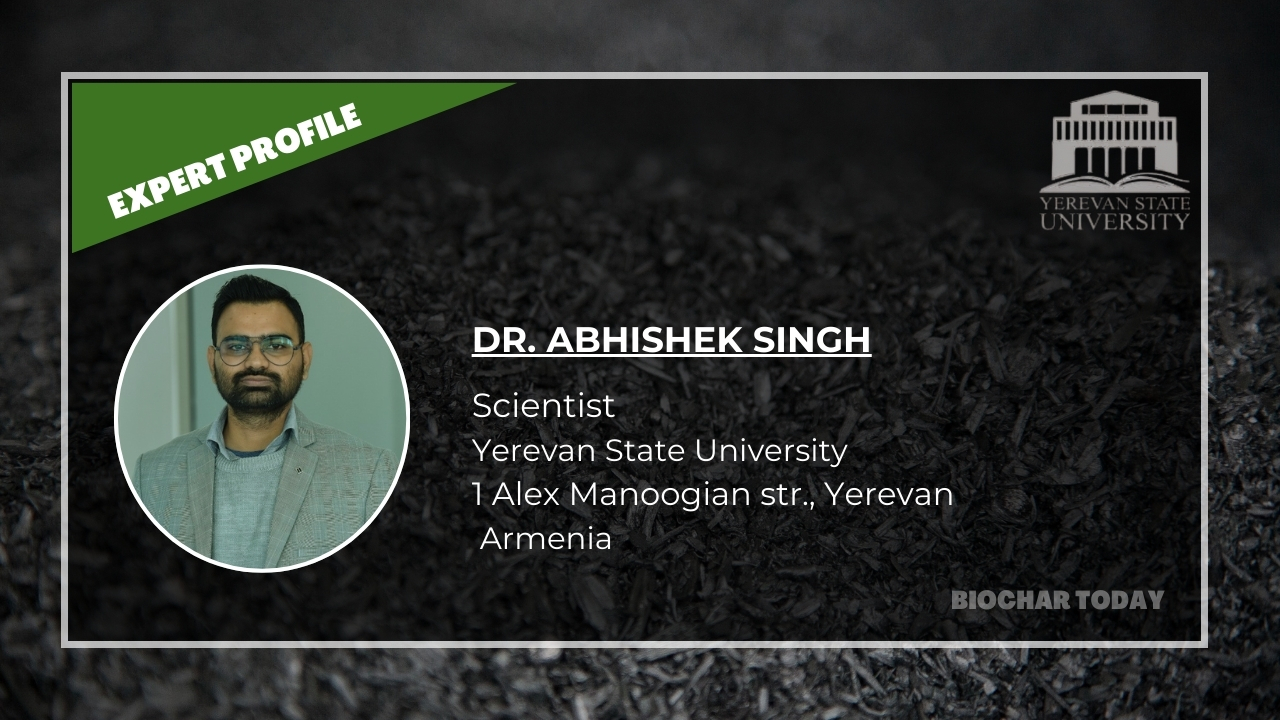
I am honored to introduce Dr. Abhishek Singh, a distinguished scientist whose work at the intersection of agriculture, biotechnology, and environmental science has earned him global recognition. Currently based at the Faculty of Biology, Yerevan State University in Armenia, Dr. Singh has built a prolific career focused on unraveling the complex signaling networks that underpin plant resilience under abiotic stress. His research is particularly focused on understanding how sustainable soil amendments, most notably biocharBiochar is a carbon-rich material created from biomass decomposition in low-oxygen conditions. It has important applications in environmental remediation, soil improvement, agriculture, carbon sequestration, energy storage, and sustainable materials, promoting efficiency and reducing waste in various contexts while addressing climate change challenges. More and its nano-enabled counterparts, can be harnessed to restore degraded ecosystems and mitigate the impacts of salinity, drought, and heavy metal contamination. With over 125 Scopus-indexed publications and a listing among the top 2% of the world’s most influential scientists by Elsevier, Dr. Singh brings an authoritative, evidence-based perspective to the global conversation on climate-resilient agriculture.
Beyond his primary research, Dr. Singh serves as a vital bridge between scientific discovery and academic leadership, holding editorial positions for high-impact journals such as Scientific Reports and Frontiers in Plant Science. His interdisciplinary approach integrates plant physiology with nanobiotechnology, offering innovative “nature-based” solutions designed to achieve the United Nations Sustainable Development Goals. Through his extensive study of the synergy between carbon materials and metallic nanoparticles, he continues to push the boundaries of how we manage soil health and food security in an increasingly volatile climate.
On behalf of our readers at Biochar Today, I am privileged to have this insightful conversation with Dr. Singh.
Shanthi Prabha: Dr. Abhishek, your academic journey has taken you from prestigious institutions in India to cutting-edge research at Yerevan State University in Armenia. Could you share with our community how your biochar journey began and what initial spark led you to specialize in using these materials to solve global agricultural challenges?
Dr. Abhishek Singh: My journey with nanoscience began during my early academic training in India, where I was deeply engaged in understanding plant stress physiology under degraded soil conditions. While working on salinity stress, I realized that conventional soil amendments often address symptoms rather than root causes. The turning point came when I closely interacted with biochar as a multifunctional material capable of improving soil structure, nutrient retention, microbial activity, and contaminant immobilization simultaneously. At Yerevan State University, working in semi-arid and saline regions such as the Ararat Plain, biochar evolved from a research topic into a practical solution. But a part of Ararat region we also working in Syunik is the southernmost province of Armenia which have mining activity for heavy metal related study. The pressing need for climate-resilient agriculture in vulnerable ecosystems ultimately shaped my specialization in biochar-based interventions for global agricultural challenges.
SP: Your research significantly explores the intersection of nanotechnology and biochar. For our readers familiar with standard biochar, could you explain the unique physiological and agronomical advantages that nanobiochar offers in enhancing crop productivity compared to traditional bulk biochar?
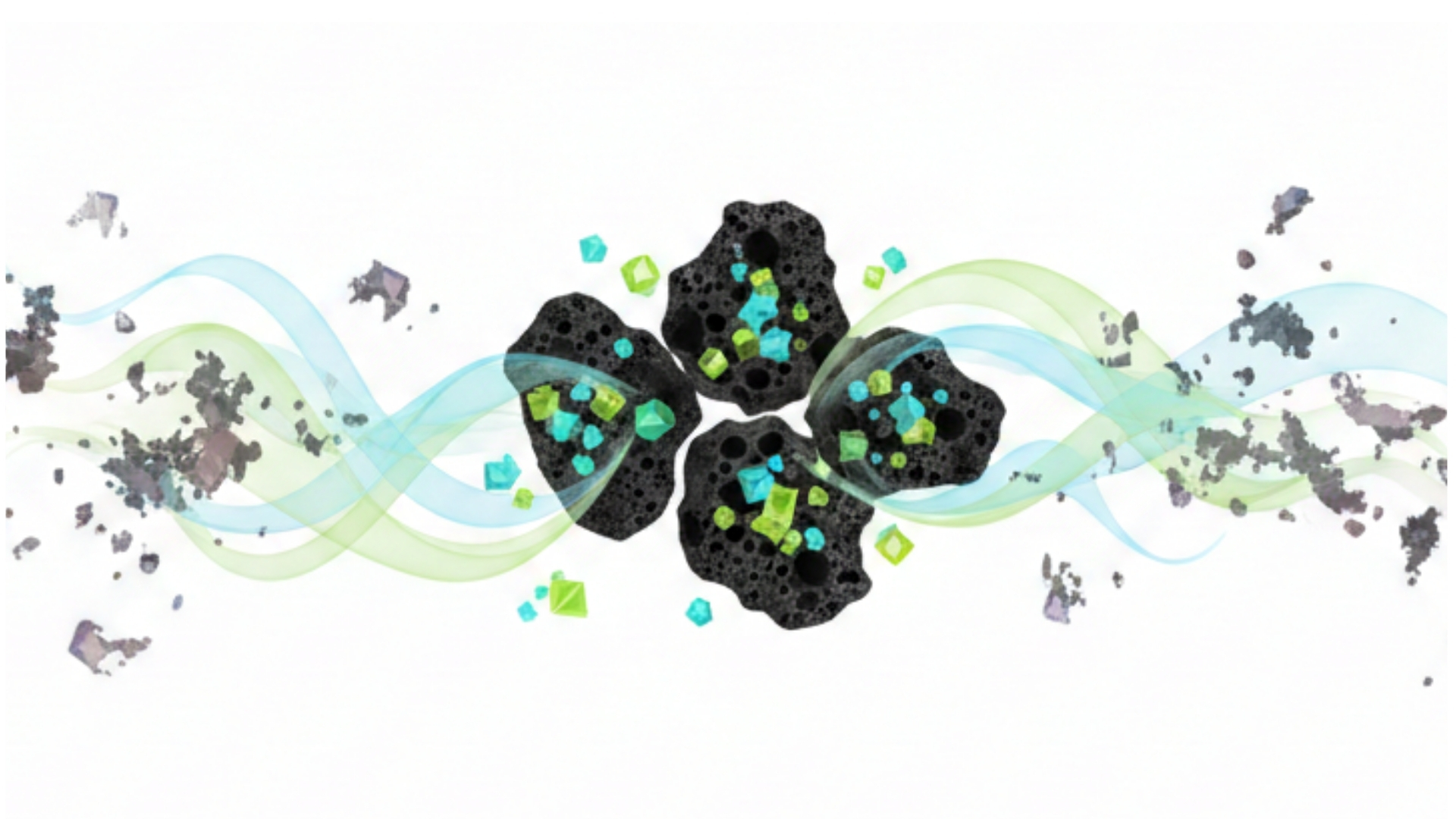
AS: Nanobiochar differs fundamentally from bulk biochar due to its higher surface area, enhanced porosityPorosity of biochar is a key factor in its effectiveness as a soil amendment and its ability to retain water and nutrients. Biochar’s porosity is influenced by feedstock type and pyrolysis temperature, and it plays a crucial role in microbial activity and overall soil health. Biochar More, and greater functional group density. Physiologically, nanobiochar interacts more efficiently with root systems, improving nutrient uptake, ion homeostasis, and water-use efficiency. Agronomically, nanobiochar shows improved soil–plant–microbe interactions, faster nutrient exchange, and better immobilization of toxic ions. Unlike conventional biochar, nanobiochar can actively modulate rhizospheric signaling, making it particularly effective at low application rates and under stress conditions.
SP: A major focus of your work is the mitigation of abiotic stresses. Based on your research into salinity and drought—specifically in the context of the Ararat Plain in Armenia—how has biochar application proven to be a game-changer for food security in such harsh environments?
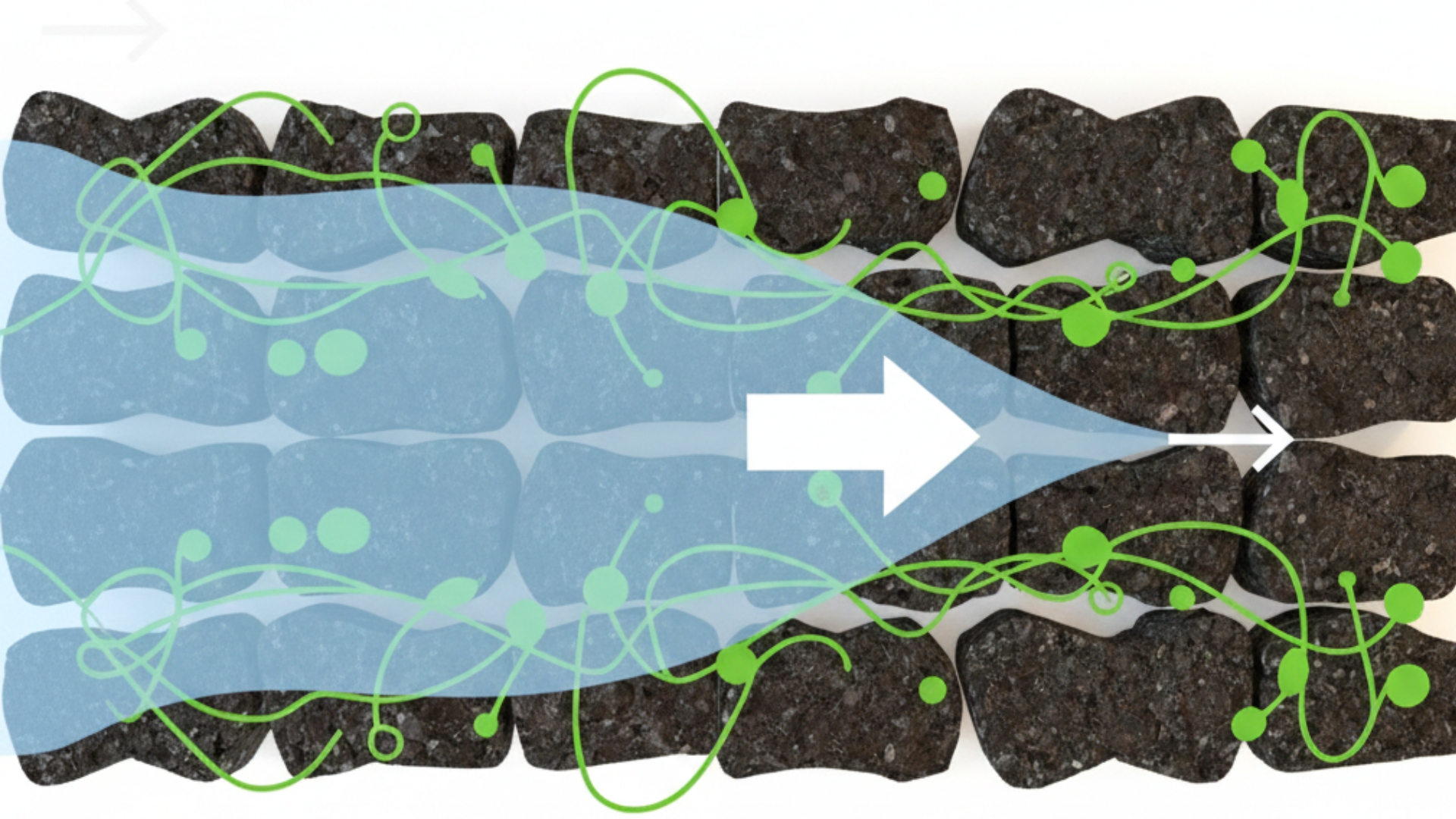
AS: In the Ararat Plain, where have salinity related problem that created also irrigated as saline water which limit crop productivity, biochar has proven transformative. Our greenhouse based pot experiments consistently show that biochar improves soil aggregation, reduces sodium bioavailability, enhances potassium and calcium retention, and increases soil water-holding capacity.
From a food security perspective, biochar stabilizes yields under extreme climatic variability. It allows crops to maintain physiological processes such as photosynthesis, osmotic balance, and antioxidant defense even under prolonged drought and saline irrigation making it a powerful tool for marginal lands.
SP: In your published work regarding the sustainability and management of soil, you emphasize the role of biochar in restoring degraded ecosystems. What do you consider the most significant breakthrough in using biochar to combat agrochemical pollution and heavy metal toxicity?
AS: One of the most impactful breakthroughs has been demonstrating biochar’s dual role simultaneously immobilizing heavy metals while restoring biological soil functions. Biochar not only reduces metal bioavailability through adsorption and complexation but also reactivates microbial communities that drive nutrient cycling. This approach shifts remediation from being purely chemical to ecologically restorative, allowing contaminated soils to return to productive agricultural use without secondary pollution risks.
SP: You have extensively studied the synergy between biochar and metallic nanoparticles, such as Zinc Oxide. How does this combination specifically improve a plant’s biochemical response and signaling pathways when facing environmental stressors?
AS: The synergy between biochar and ZnO nanoparticles enhances plant resilience at m ultiple biochemical levels. Biochar acts as a carrier and stabilizer, ensuring controlled nanoparticle release in the rhizosphere. This combination improves antioxidant enzyme activity (SOD, CAT, POD), regulates ROS signaling, enhances zinc bioavailability, and stabilizes membrane integrity. Importantly, it also modulates stress-related phytohormones and signaling pathways, enabling plants to respond adaptively rather than defensively to stress.
SP: As an environmental researcher with experience in developing nanobiochar for toxin removal, I often grapple with a personal and professional concern that I know others in the community share: the paradox of nanobiochar’s efficiency. Given its high mobility and reactivity, do you have insights or concerns regarding nanobiochar itself potentially becoming an emerging contaminant? How can we, as a scientific community, balance the restorative benefits of this approach with the potential risks of long-term accumulation and translocation in the ecosystem?
AS: This is a critically important question. While nanobiochar is highly efficient, its mobility and reactivity necessitate caution. Unregulated use could indeed pose risks related to translocation, accumulation, or unintended microbial disruption.
The solution lies in safe-by-design nanobiochar, standardized particle size control, life-cycle assessment, and long-term ecotoxicological studies. As a community, we must integrate regulatory science, environmental monitoring, and risk modeling to ensure that nanobiochar remains a restorative not disruptive technology.
SP: Your vision aligns with developing climate-resilient systems to achieve the UN Sustainable Development Goals. Which specific SDGs do you believe the biochar industry is most uniquely positioned to address over the next decade?
AS: Biochar is uniquely positioned to contribute to multiple SDGs, particularly: SDG 2 (Zero Hunger) – by improving crop productivity and soil fertility, SDG 6 (Clean Water) – through contaminant immobilization, SDG 13 (Climate Action) – via carbon sequestration, SDG 15 (Life on Land), by restoring degraded soils Its cross-sectoral impact makes biochar one of the most versatile tools in sustainable development.
SP: With over 125 scientific publications and 12 books, you have a bird’s-eye view of the field. In your experience, what is the biggest practical hurdle in moving biochar applications from successful laboratory trials to widespread industrial and farmer adoption?
AS: The major challenge is standardization and economic scalability. Variability in feedstockFeedstock refers to the raw organic material used to produce biochar. This can include a wide range of materials, such as wood chips, agricultural residues, and animal manure. More, pyrolysis conditionsThe conditions under which pyrolysis takes place, such as temperature, heating rate, and residence time, can significantly affect the properties of the biochar produced. More, and application methods leads to inconsistent results. Farmers need predictable outcomes, while industries require cost-effective production models. Bridging this gap requires harmonized standards, region-specific biochar formulations, and stronger collaboration between researchers, policymakers, and agribusiness stakeholders.
SP: Having been recognized among the top 2% of the world’s most influential scientists, how has this platform allowed you to bridge the gap between academic biochar research and international environmental policy?
AS: Having been recognized among the top 2% of the world’s most influential scientists is, first and foremost, a personal academic milestone that reflects years of focused research, collaborative projects, and consistent contributions in the field of biochar, nanobiotechnology, and environmental stress management. I view this recognition not as an individual accolade, but as an acknowledgment of the scientific relevance and societal importance of the research questions we have pursued. This academic standing has strengthened the visibility and credibility of my research outputs particularly those linked to biochar-based soil restoration, heavy metal remediation, and climate-resilient agriculture which has, in turn, facilitated meaningful engagement with international research networks, funding agencies, and policy-oriented programs. Through multidisciplinary projects and cross-border collaborations, the findings from controlled experiments and field-based studies are increasingly being communicated in formats that are accessible and relevant to policymakers. Importantly, this platform has enabled me to participate in international consortia, editorial responsibilities, and expert discussions where scientific evidence is translated into practical frameworks for sustainable land management and environmental protection. By aligning biochar research with global priorities such as climate adaptation, soil health, and food security, the gap between academic innovation and environmental policy is gradually narrowing. I consider this role a responsibility rather than a privilege to ensure that rigorous, evidence-based research informs policy dialogue, supports regulatory development, and contributes constructively to international sustainability agendas, including the United Nations Sustainable Development Goals.
SP: Based on your deep expertise in plant stress physiology, where do you foresee the missing link in current biochar research? Is it in the molecular understanding of plant-microbe interactions or perhaps in the standardization of feedstock pyrolysisPyrolysis is a thermochemical process that converts waste biomass into bio-char, bio-oil, and pyro-gas. It offers significant advantages in waste valorization, turning low-value materials into economically valuable resources. Its versatility allows for tailored products based on operational conditions, presenting itself as a cost-effective and efficient More?
AS: The most critical missing link in current biochar research is the integrated molecular-level understanding of plant–microbe–biochar interactions under realistic field conditions. While a substantial body of evidence confirms that biochar is effective in improving soil health and plant performance, we still lack detailed insight into how biochar influences gene expression, root signaling pathways, microbial communication networks, and long-term ecosystem feedbacks across different agroecological zones. In addition, greater attention is needed on modified and engineered biochar, including nutrient-enriched, nano-enabled, and surface-functionalized biochar. These advanced forms show promising results in targeted nutrient delivery, contaminant immobilization, and stress mitigation; however, their mechanisms of action, environmental fate, and long-term safety are not yet fully understood. Equally important is the combined application of biochar with organic amendments such as compost, manure, humic substances, and microbial inoculants. Synergistic effects between biochar and organic amendments can significantly enhance nutrient cycling, soil carbon stability, and microbial diversity, yet these interactions remain underexplored at the molecular and systems level. Finally, the lack of standardized feedstock selection and pyrolysis protocols continues to limit reproducibility and large-scale adoption. Establishing harmonized standards that integrate biochar modification strategies and co-application with organic amendments will be essential for translating laboratory successes into reliable, field-ready solutions for sustainable agriculture and ecosystem restoration.
SP: How do you foresee the biochar industry evolving in the next 5 to 10 years, particularly regarding its integration with other Green Technologies and nanobiotechnology?
AS: The future lies in hybrid technologies—biochar integrated with nanotechnology, bioengineering, precision agriculture, and carbon markets. We will see smart biochars designed for targeted nutrient delivery, stress signaling, and pollutant capture. Biochar will evolve from a soil amendmentA soil amendment is any material added to the soil to enhance its physical or chemical properties, improving its suitability for plant growth. Biochar is considered a soil amendment as it can improve soil structure, water retention, nutrient availability, and microbial activity. More into a functional climate technology.
SP: Your extensive work as an editor for journals like Scientific Reports and Frontiers in Plant Science is highly credible. From an editorial perspective, what are the most exciting trends you are currently seeing in the biochar manuscripts crossing your desk?
AS: From an editorial perspective, I am seeing a strong shift toward mechanistic studies, life-cycle assessments, and interdisciplinary approaches combining omics, nanotechnology, and climate science. Manuscripts focusing on field validation, scalability, and policy relevance are particularly exciting, as they move biochar research toward real-world impact.
SP: For our readers and the global biochar community who wish to dive deeper into your findings, where is the best place for them to follow your work, such as your LinkedIn profile, Google Scholar, or your latest book series?
AS: Readers can follow my work through:
Google Scholar: https://scholar.google.com/citations?user=hKxjYEEAAAAJ&hl=hi
Linkedin Profile: https://www.linkedin.com/in/dr-abhishek-singh-549166a6/
I strongly encourage young researchers and practitioners to engage biochar science thrives on collaboration.



Leave a Reply