
Climate change mitigation objectives must reach higher levels of ambition according to the Paris Agreement. While the priority is to reduce emissions,Carbon Dioxide Removals (CDR) are becoming increasingly important to compensate the share of emissions (residual emissions) that will prove extremely difficult and/ or costly to abate.
CDR can take various forms and technologies are being intensively researched to upscale removals at an affordable cost, but this quest has beenunsuccessful as illustrated by Direct Air Carbon Capture and Storage (DACCS) or Bioenergy with Carbon Capture and Storage (BECCS). Besides, afforestation and reforestation (A/R) do sequester carbon but may be detrimental to biodiversity conservation or food security. Oceans are an active field for CDR but most of the proposed options remain poorly known both in terms of potential and risks.
Biochar is praised as a promising CDR
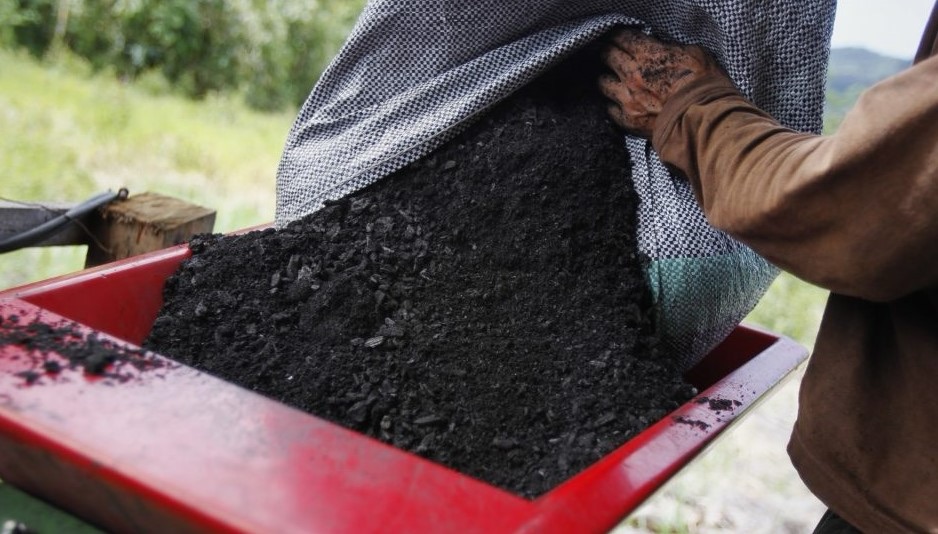
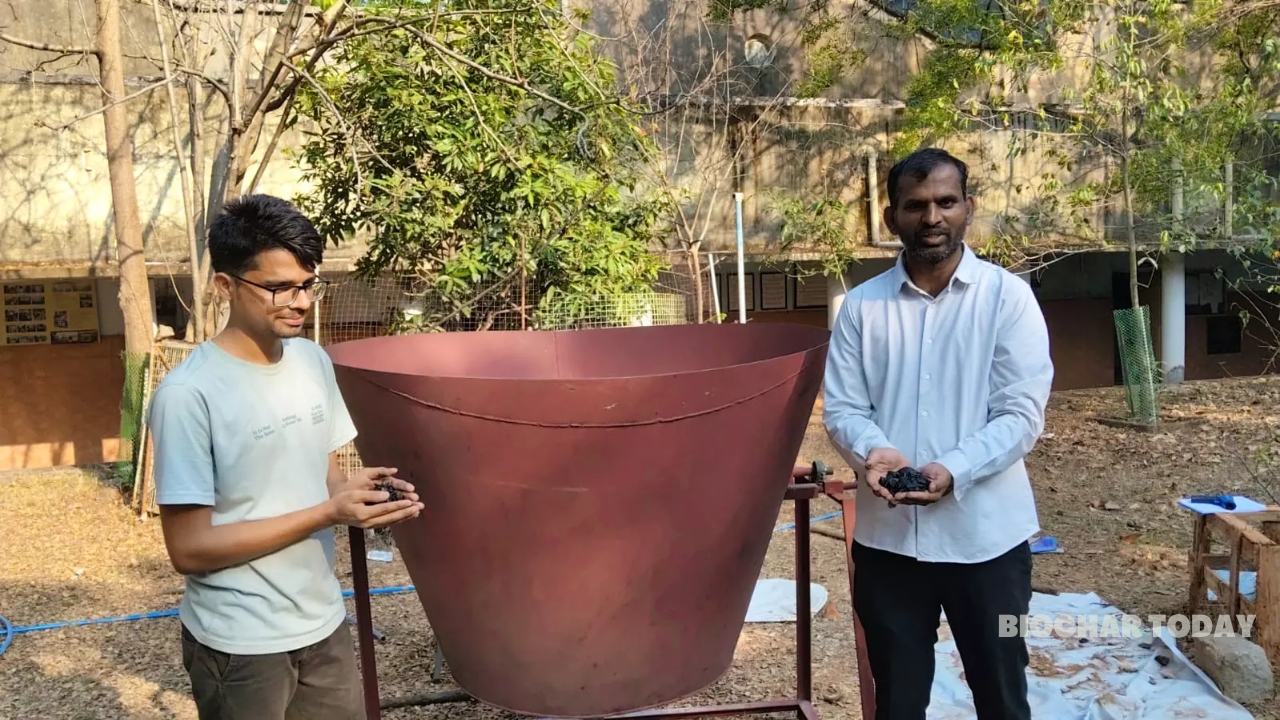
In this context, biocharBiochar is a carbon-rich material created from biomass decomposition in low-oxygen conditions. It has important applications in environmental remediation, soil improvement, agriculture, carbon sequestration, energy storage, and sustainable materials, promoting efficiency and reducing waste in various contexts while addressing climate change challenges. More is increasingly praised for both its potential and variety of uses and co-benefits. It is produced out of organic material with a pyrolysisPyrolysis is a thermochemical process that converts waste biomass into bio-char, bio-oil, and pyro-gas. It offers significant advantages in waste valorization, turning low-value materials into economically valuable resources. Its versatility allows for tailored products based on operational conditions, presenting itself as a cost-effective and efficient More process and can store carbon for long periods up to a thousand years. Among the types of application: water filtration, additive to construction materials, animal feed or food supplement, and more prominently as fertiliser for agriculture.
As organic waste of all kinds (agricultural and forestry residues, manure, garden refuse) are a source of greenhouse gas emissions, their processing into biochar with long term carbon storage contributes to climate change mitigation by avoiding these emissions. Yet in the related forums andliterature, including the reports by the Intergovernmental Panel on Climate Change (IPCC), biochar is usually presented as a CDR and has generated lots of expectations. This excitement is also stimulated by the quest by the private sector for CDR carbon credits to achieve their net zero commitments. This is translated in the prices of CDR/ biochar carbon credits that reach much higher levels than other carbon credits associated with ‘reduced emissions’, up to ten times more with reported prices of about USD 200/tCO2-eq (e.g. https://puro.earth) compared to USD 5-20/ tCO2-eq.
Mistaking biochar for CDR has consequences
But is biochar really a CDR? This question matters for several reasons but let’s focus on the two most important ones in our view. First, climate change mitigation and the net-zero transition require such high levels of investments that only an optimal allocation of financial resources would enable humanity to limit global warming at the targeted levels. As a significant share of these investments is expected to be provided through carbon markets, it matters if biochar-based mitigation is remunerated at very high CDR levels. Indeed, it leads to an eviction effect where a given investment into biochar-based mitigation would displace a similar level of investment for 5 or 15 times more mitigation impact in other activities.
Second, confusing emissions reductions and CDR misinforms global policies. As humanity must act on both emissions reductions and removals, but the types of activities differ and require targeted incentives, classifying activities in the wrong category would only lead to deceiving policies and investments overall.
Why the rationale for biochar as a Carbon Dioxide Removal is misleading
The reason biochar is presented as CDR is that it is associated with the removal of carbon through the photosynthesis process and subsequent permanent storage into biochar. But this is wrong and misleading.
The key question is whether the production of biochar should be associated with the first removal stage (photosynthesis), which would make it a CDR. If not, the claim that biochar is CDR must be dismissed because biochar can only be credited for greater permanence of storage: in fact greater permanence is another word for ‘delayed emissions’.
The reasoning rests on the concept of additionality: was the feedstockFeedstock refers to the raw organic material used to produce biochar. This can include a wide range of materials, such as wood chips, agricultural residues, and animal manure. More cultivated for the purpose of biochar production? In most cases, such as agricultural and forestry residues, or the underestimated waste biomass resulting from land restoration, it is straightforward that the biomassBiomass is a complex biological organic or non-organic solid product derived from living or recently living organism and available naturally. Various types of wastes such as animal manure, waste paper, sludge and many industrial wastes are also treated as biomass because like natural biomass these More was not cultivated for biochar production. In other words removals would have happened, w/o biochar.

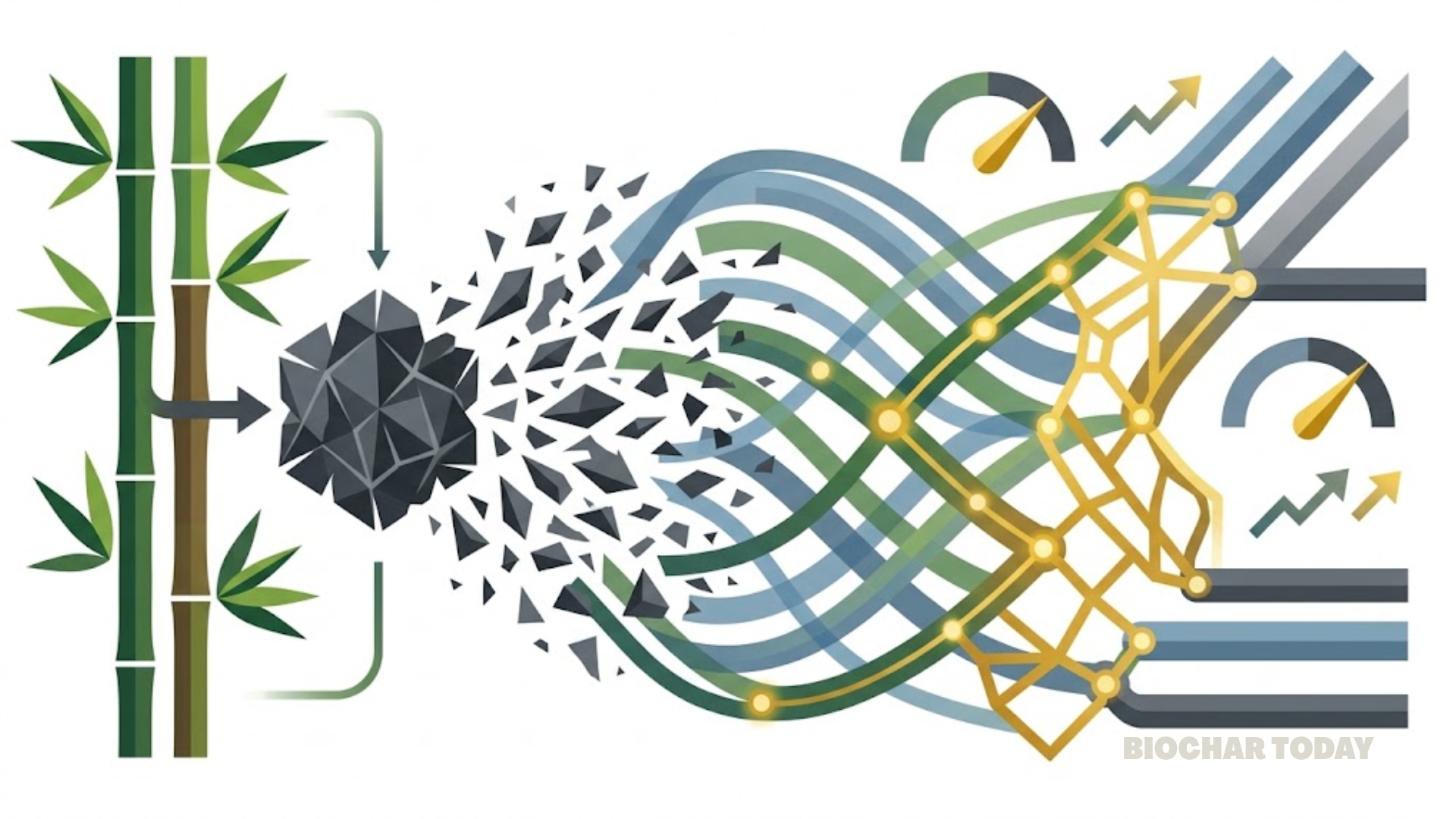
Figure 1 summarises the possible value chains depending on feedstock types and indicates which stages should be attributed to biochar (additionality criterion). It shows that biochar can only be considered a CDR in very specific, and rarely seen, situations. For all types of residues and waste biomass that are the main feedstock in practice, biochar production only changes the ultimate form of the biomass before it decomposes and releases greenhouse gases. As such, it prevents emissions and ensures long term storage with enhanced permanence of the carbon storage compared to biomass. But it does not remove carbon dioxide frm the atmosphere.
How to make the most of biochar by combining adaptation and mitigation benefits
Our clarification on the status of biochar should not be misinterpreted. Its contribution to mitigation should be supported, but fairly and accordingly. Market prices for carbon credits depend on several factors, not only the distinction reduced emissions/CDR but also co-benefits. This latter distinction is highly relevant for biochar for its most promising end use as a non-chemical fertiliser. Indeed, the state of knowledge suggests it usually contributes to an increased resilience for agriculture and forestry, which indicates an appealing overlap between mitigation and adaptation benefits. This overlap justifies investments and public policies to support markets for biochar applied to productive soils hereby reducing the need for artificially inflated values for carbon credits as CDR.
This blog post was originally published by the School for Climate Studies at Stellenbosch University on October 21, 2024. Republished by permission of the author.
Dr Pirard has recently expressed these thought in more detail in a recent open access article published in Bois et Forêts des Tropiques. Download the full article via the link below



Leave a Reply to 9545wp9545Cancel reply