
The future of the biocharBiochar is a carbon-rich material created from biomass decomposition in low-oxygen conditions. It has important applications in environmental remediation, soil improvement, agriculture, carbon sequestration, energy storage, and sustainable materials, promoting efficiency and reducing waste in various contexts while addressing climate change challenges. More business is less about producing simple charcoalCharcoal is a black, brittle, and porous material produced by heating wood or other organic substances in a low-oxygen environment. It is primarily used as a fuel source for cooking and heating. More and more about engineering “smart carbon” for high-value, sustainable applications. While we already know the core benefits—carbon sequestration, waste recycling, and soil improvement—the emerging market is being rapidly shaped by upgrading and modification techniques that turn raw biomassBiomass is a complex biological organic or non-organic solid product derived from living or recently living organism and available naturally. Various types of wastes such as animal manure, waste paper, sludge and many industrial wastes are also treated as biomass because like natural biomass these More residue into a premium, specialized material. This technological leap is essential because generic biochar often lacks the precise properties needed for industrial use and can contain impurities that limit its safe, large-scale deployment. Consequently, businesses are moving beyond just selling “black dust” to creating customized solutions that unlock new revenue streams.
From Kiln to Lab: Engineering the Perfect Particle
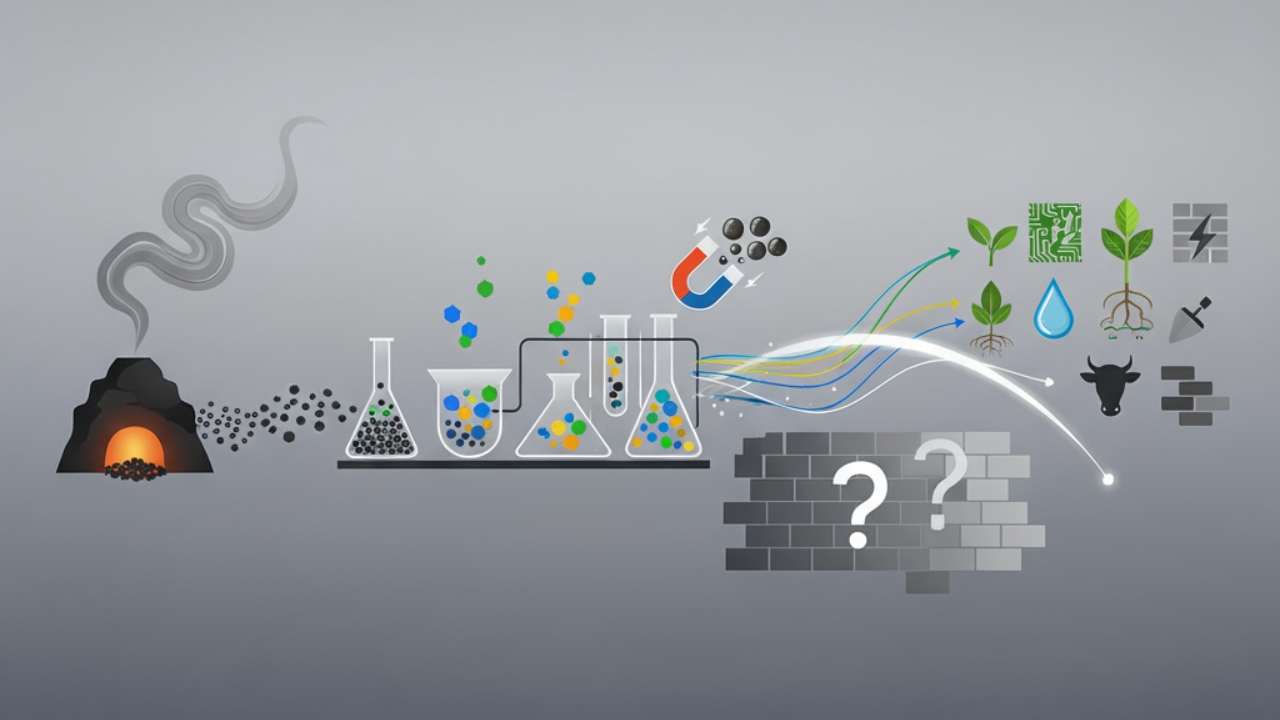
The transformation of biochar from a basic commodity into a high-value product relies on altering its core characteristics. Raw biochar properties like surface area, porosityPorosity of biochar is a key factor in its effectiveness as a soil amendment and its ability to retain water and nutrients. Biochar’s porosity is influenced by feedstock type and pyrolysis temperature, and it plays a crucial role in microbial activity and overall soil health. Biochar More, and pHpH is a measure of how acidic or alkaline a substance is. A pH of 7 is neutral, while lower pH values indicate acidity and higher values indicate alkalinity. Biochars are normally alkaline and can influence soil pH, often increasing it, which can be beneficial More are highly variable, influenced by the feedstockFeedstock refers to the raw organic material used to produce biochar. This can include a wide range of materials, such as wood chips, agricultural residues, and animal manure. More and pyrolysis conditionsThe conditions under which pyrolysis takes place, such as temperature, heating rate, and residence time, can significantly affect the properties of the biochar produced. More. To control this variability, the techs, researchers and companies employ a sophisticated toolkit of modification methods. Activation techniques, using steam, CO2, or chemical agents like KOH, dramatically increase the material’s surface area and pore volume, turning it into a superior adsorbent for filtration. Simultaneously, nutrient enrichment (mixing with minerals, N, P, or K) transforms biochar into a slow-release fertilizer, significantly improving its agricultural utility by binding nutrients and slowly releasing them back to crops, thereby reducing leachingLeaching is the process where nutrients are dissolved and carried away from the soil by water. This can lead to nutrient depletion and environmental pollution. Biochar can help reduce leaching by improving nutrient retention in the soil. More losses. The most cutting-edge area is the development of nanocomposites, where biochar is bonded with materials like iron oxide nanoparticles. These hybrid materials gain superior adsorption capacity and desirable magnetic properties, making the used biochar easy to recover from treated water or soil using a magnet—a major plus for large-scale industrial cleanup operations.
The High-Value Revolution: Where Smart Carbon is Moving
This customized biochar is opening doors into lucrative, non-traditional markets far beyond basic soil application. Agricultural uses are still foundational, with enriched biochars providing bespoke solutions for poor soils, improving Cation Exchange Capacity (CEC) and Water Holding CapacityWater holding capacity is the amount of water that soil can retain. Biochar can significantly increase the water holding capacity of soil, improving its ability to withstand drought conditions and support plant growth. More (WHC). But the real growth is in industries demanding high-performance materials:
- Advanced Materials & Energy: Upgraded biochar can be converted into activated carbonActivated carbon is a form of carbon that has been processed to create a vast network of tiny pores, increasing its surface area significantly. This extensive surface area makes activated carbon exceptionally effective at trapping and holding impurities, like a molecular sponge. It is commonly More, carbon black, or graphite, replacing fossil-fuel-derived carbons in products like shoe soles and specialized textiles, and serving as an electrode material in lithium-ion batteries and supercapacitors. The metallurgical industry, particularly steel and silicon production, sees biochar as a viable replacement for fossil coal, anticipating a sudden and rapid market growth due to the sheer volume of carbon needed.
- Environmental Cleanup: Modified biochar is a highly effective decontaminant. Its strong adsorption capacity removes both organic pollutants (like herbicides and PAHs) and inorganic contaminants (heavy metals like arsenic, lead, and cadmium) from water and soil. Specialized biochar barriers can even be installed around fields and ponds to filter out pesticides before they enter surface water.
- Livestock and Construction: Even animal husbandry is now a high-value market. When fed to cattle, biochar acts as a detoxifier, adsorbing toxins and pathogens, improving digestion, boosting nutrient absorption, and noticeably reducing odor in livestock facilities. In construction, biochar’s low thermal conductivity and ability to absorb up to six times its weight in water make it an excellent additive to plasters and mortars, creating humidity-regulating, insulating building materials that function as a carbon sink.
The Roadblocks: Policy and Price Paralyze Potential
Despite the science and business case being clear, the biochar industry remains in its early stages of development. A fundamental challenge is the pervasive market and policy uncertainty. Experts note that the lack of clear legal and policy incentives, particularly formal recognition of biochar in legally binding carbon removal schemes, acts as a major drag on investment. Without a definitive price for carbon removal, investors are hesitant to pour capital into the massive production facilities needed to achieve economies of scale and drive down the market price of biochar. Further complicating matters is the challenge of variability in quality and the need to standardize biochar production methods so that the final product meets strict industrial specifications globally. Addressing this requires robust collaboration among researchers, industry, and policymakers to establish clear regulations and financial mechanisms that can bridge the gap from pilot-scale innovation to true, high-volume market realization.




Leave a Reply