


Published by the ANZ Biochar Industry Group, “A Farmer’s Guide to Biochar” by Stephen Joseph and Paul Taylor serves as a comprehensive handbook for farmers and land managers looking to explore biocharBiochar is a carbon-rich material created from biomass decomposition in low-oxygen conditions. It has important applications in environmental remediation, soil improvement, agriculture, carbon sequestration, energy storage, and sustainable materials, promoting efficiency and reducing waste in various contexts while addressing climate change challenges. More as a means to improve soil health, increase crop yields, and foster environmental sustainability. The book covers an array of topics, from the scientific principles of biochar production to practical guidance on application techniques. Organized in a structured manner, the guide makes complex biochar production processes accessible while providing insights into its benefits for both agricultural productivity and climate change mitigation.
The book begins with an introduction to biochar, describing it as a carbon-rich material created by heating organic matter (biomassBiomass is a complex biological organic or non-organic solid product derived from living or recently living organism and available naturally. Various types of wastes such as animal manure, waste paper, sludge and many industrial wastes are also treated as biomass because like natural biomass these More) in low-oxygen conditions through a process called pyrolysisPyrolysis is a thermochemical process that converts waste biomass into bio-char, bio-oil, and pyro-gas. It offers significant advantages in waste valorization, turning low-value materials into economically valuable resources. Its versatility allows for tailored products based on operational conditions, presenting itself as a cost-effective and efficient More. Unlike traditional burning, pyrolysis conserves carbon within the biomass, creating biochar with a stable molecular structure that resists decomposition. When added to soil, biochar improves its physical and chemical properties, making it an invaluable tool for sustainable agriculture.
The guide dives into the basic science behind biomass pyrolysis, explaining how factors like temperature and heating duration affect the properties of the biochar produced. Different feedstocks (e.g., wood, crop residues, manure) yield different types of biochar, each suited for specific agricultural needs. The authors discuss how certain temperatures favor biochar that improves soil moisture retention, while others create biochar with more structural stability.
Chapter two highlights the historical roots of biochar, particularly in Indigenous agriculture, where biochar-like practices were used to enhance soil fertility for centuries. The Amazon’s “terra pretaTerra preta, meaning “black earth” in Portuguese, is a type of highly fertile soil found in the Amazon Basin. It is characterized by its high biochar content, which contributes to its long-term fertility and ability to support productive agriculture More” soils, created by Indigenous farmers, remain one of the best-known examples of biochar in practice. These historical insights help demonstrate biochar’s long-term benefits for soil health and underscore its potential in modern sustainable farming.
The authors also explore various biochar production technologies, from DIY methods suitable for small farms to industrial-scale systems. They describe options like top-lit updraft stoves and simple open-flame methods, as well as commercial kilns and continuous pyrolysis systems. Each method has its advantages, allowing farmers to select a production system that aligns with their scale and objectives.
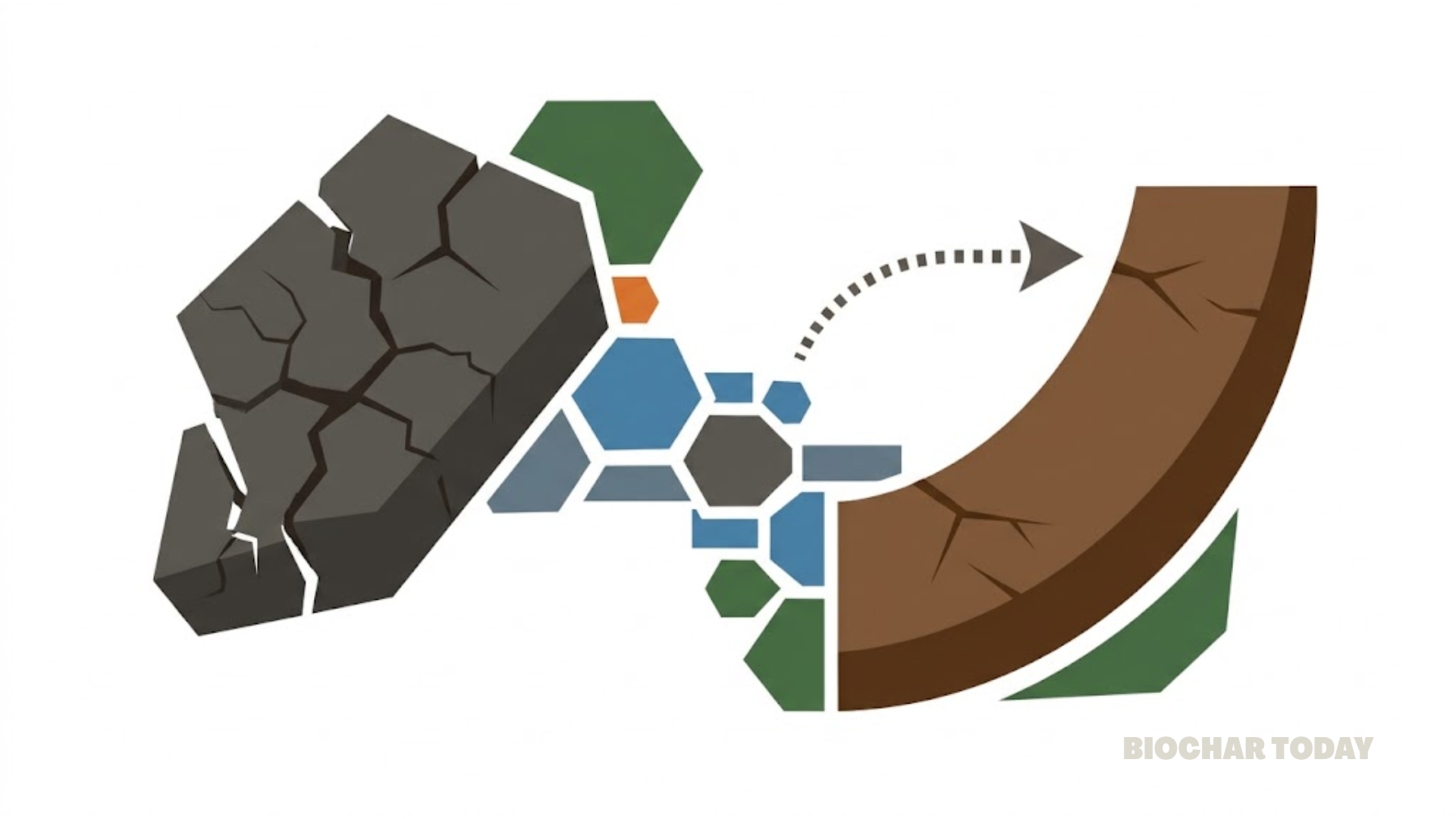
Biochar’s wide-ranging benefits for soil and crop production are discussed in detail. First, biochar improves soil structure and water retention, making it particularly beneficial in arid regions and soils prone to erosion. Biochar’s porous nature enhances its ability to hold water, allowing roots to access moisture more easily. Furthermore, biochar retains nutrients, reducing fertilizer leachingLeaching is the process where nutrients are dissolved and carried away from the soil by water. This can lead to nutrient depletion and environmental pollution. Biochar can help reduce leaching by improving nutrient retention in the soil. More and providing a steady nutrient supply over time. For crop health, biochar promotes robust root systems, enhances photosynthesis, and increases overall yields.
Another significant benefit of biochar is its role in fostering a healthy soil microbiome. Biochar’s surface area and porous structure create a habitat for beneficial microorganisms, which aid in nutrient cycling and pathogen suppressionPathogens are harmful microorganisms that can cause plant diseases. Biochar can help suppress these pathogens by creating a more balanced soil environment and promoting the growth of beneficial microorganisms that compete with the bad guys. More, further enhancing plant growth. In terms of climate impact, biochar acts as a long-term carbon sink, helping reduce greenhouse gas emissions by storing carbon in the soil.
The book provides a detailed guide on biochar application techniques, tailored to different types of farming systems. Farmers are advised to combine biochar with fertilizers, compost, or mineral amendments to maximize results. For instance, mixing biochar with organic matter before application helps avoid dust issues and ensures a more even distribution in the soil. The book also recommends applying biochar within the plant root zone to encourage direct interaction with plant roots. Application methods vary from top-dressing and incorporation into planting holes to innovative techniques like subsoil banding and liquid biochar sprays.
The final chapters address specific use cases and considerations for biochar application. For instance, biochar can be combined with urea to create a biochar–urea composite that improves nitrogen availability in the soil. The authors also suggest adding minerals to biochar during production to enhance its nutrient profile. These tailored approaches make the book especially useful for farmers dealing with unique soil constraints, such as nutrient deficiencies or high salinity.
In addition to biochar, the authors discuss the benefits of wood vinegar—a liquid byproduct of biochar production. Wood vinegar can be applied as a natural pesticide, herbicide, and plant growth stimulant, complementing biochar’s soil benefits and reducing reliance on chemical treatments. Overall, the book underscores biochar’s versatility and potential in regenerative farming, making a compelling case for its use across agricultural systems.
“A Farmer’s Guide to Biochar” by Stephen Joseph and Paul Taylor stands out for its accessible yet scientifically grounded approach to biochar as an agricultural amendment. The book succeeds in balancing technical information with practical guidance, making it an invaluable resource for both novice and experienced farmers. The authors provide a well-organized and comprehensive treatment of biochar, addressing everything from its production and chemical properties to its myriad benefits for soil and crop health.
One of the book’s greatest strengths is its thorough explanation of biochar production methods. The authors outline multiple production techniques, each with its own advantages, from DIY setups suitable for small farms to large-scale commercial systems. This variety ensures that readers can find a method suited to their resources and goals, encouraging both smallholders and large-scale operators to experiment with biochar. Diagrams and step-by-step instructions make even complex processes feel manageable, reflecting the authors’ practical expertise in biochar production.
The book’s exploration of Indigenous biochar practices adds a unique historical and cultural perspective. By linking biochar to traditional agricultural techniques like those used in the Amazon’s terra preta soils, the authors illustrate how biochar has contributed to sustainable soil management for centuries. This perspective enhances the book’s credibility and demonstrates that biochar is more than a modern innovation; it is a tool grounded in historical success.
The detailed description of biochar’s impacts on soil and plants is another highlight. The authors cover how biochar improves soil structure, boosts water retention, and supports a healthy soil microbiome. By presenting scientific evidence alongside practical outcomes, the book provides a balanced view of biochar’s effectiveness. Farmers looking to increase crop yields while reducing chemical inputs will find these insights particularly motivating. The attention to climate benefits also broadens the book’s appeal, aligning biochar with global sustainability goals.
However, the book’s in-depth coverage may feel overwhelming for some readers, especially those new to biochar. While the scientific explanations are clear, the volume of information on different production and application methods could be challenging for beginners to absorb. A summary or checklist at the end of each chapter might have helped distill key points, making the guide more user-friendly. Nonetheless, for readers willing to engage with the material fully, the book offers a wealth of valuable knowledge.
Overall, “A Farmer’s Guide to Biochar” is an essential resource for anyone interested in biochar and sustainable agriculture. The authors’ comprehensive approach, combined with their focus on practical application, makes this book a definitive guide to biochar’s potential for transforming farming practices. Through detailed explanations and real-world examples, the book demonstrates how biochar can support resilient soils, improve yields, and contribute to climate change mitigation. By addressing both the science and the practicalities of biochar, Joseph and Taylor have created a guide that is not only informative but also inspiring, empowering farmers to adopt this powerful tool in regenerative agriculture.




Leave a Reply