
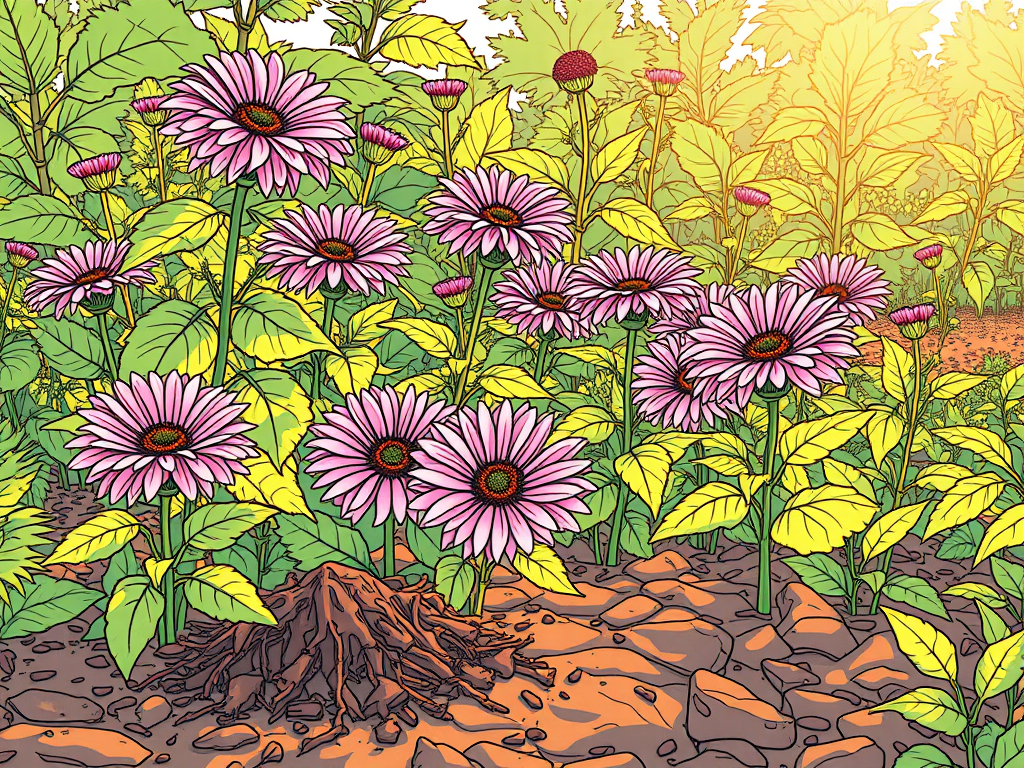
Soil continuous monocropping presents a persistent challenge to the sustainable production of cut chrysanthemums, leading to increased disease incidence and diminished plant health. A recent study by Rui Tao, Wangying Ding, and their team, published in BiocharBiochar is a carbon-rich material created from biomass decomposition in low-oxygen conditions. It has important applications in environmental remediation, soil improvement, agriculture, carbon sequestration, energy storage, and sustainable materials, promoting efficiency and reducing waste in various contexts while addressing climate change challenges. More, delves into the effectiveness of integrating biochar and microbial antagonists to alleviate these obstacles in cut chrysanthemum production. Their findings offer a promising eco-friendly approach to enhance plant growth and disease resistance.
The researchers established a pot experiment using soil from a 12-year continuous cropping system plagued by high disease incidence. They tested four treatments: a control (CK), biochar alone (BC), Bacillus subtilis alone (BM), and a combined application of Bacillus subtilis and biochar (BM_BC). The biochar, derived from maize straw and pyrolyzed at 450∘C, had a pHpH is a measure of how acidic or alkaline a substance is. A pH of 7 is neutral, while lower pH values indicate acidity and higher values indicate alkalinity. Biochars are normally alkaline and can influence soil pH, often increasing it, which can be beneficial More of 10.4, an organic carbon content of 467 g kg−1, and a total nitrogen content of 5.9 g kg−1. Bacillus subtilis, a known biological antagonist, was applied at 20 g kg−1 soil, while biochar was added at 30 g kg−1 soil.
The results demonstrated that the BM_BC treatment significantly outperformed individual applications and the control. Compared to the control, the combined treatment remarkably increased the plant biomassBiomass is a complex biological organic or non-organic solid product derived from living or recently living organism and available naturally. Various types of wastes such as animal manure, waste paper, sludge and many industrial wastes are also treated as biomass because like natural biomass these More of cut chrysanthemum by 41.3% and root activity by 254%. While biochar or Bacillus subtilis alone showed limited effects, their combined use led to synergistic benefits in promoting chrysanthemum growth in disease-affected soil.
Beyond impressive growth, the BM_BC treatment effectively controlled Fusarium wilt disease, exhibiting the lowest cumulative disease incidence (19.93%). This was directly linked to a significant reduction in the population of Fusarium oxysporum, the primary pathogen, and the highest population of beneficial Bacillus subtilis in the soil. The study highlights that the combined addition of Bacillus subtilis and biochar had a more pronounced effect on microbial diversity than their individual applications, leading to significant increases in both bacterial and fungal diversities. Specifically, BM_BC showed the greatest alpha diversity (measured by Chao1 and Shannon indices) for both bacterial and fungal communities.
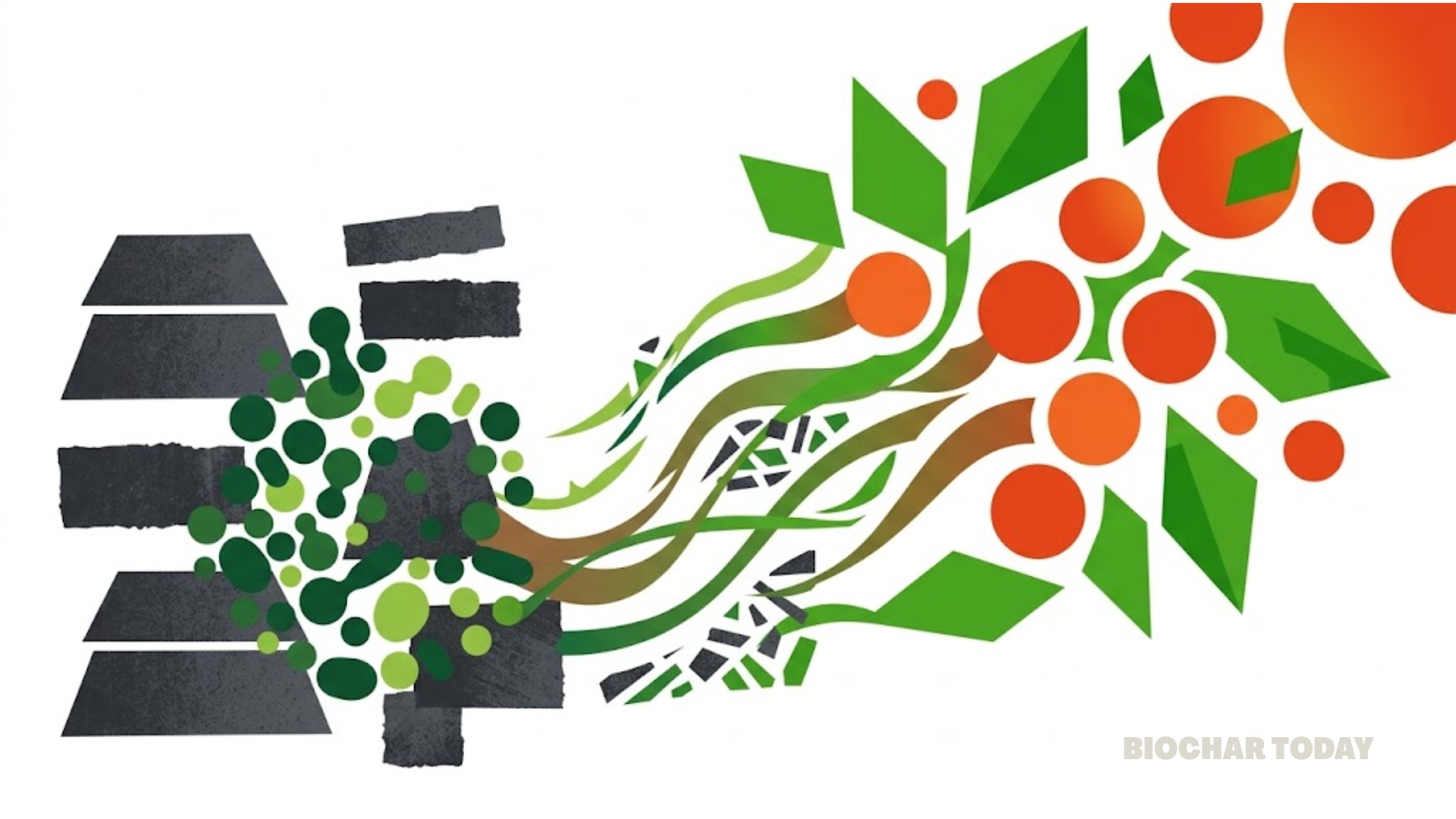
The amendments also significantly altered the structure and composition of bacterial and fungal communities. BM_BC primarily enriched beneficial bacteria like Pseudomonas and suppressed pathogens like Fusarium and Cyphellophora. The researchers found that biochar provides a suitable habitat and carbon resources, enhancing the colonization ability of Bacillus subtilis and promoting biofilm formation. This improved environment shields microbes from environmental stressors and fosters nutrient-rich microenvironments, raising soil pH and aiding organic compound hydrolysis.
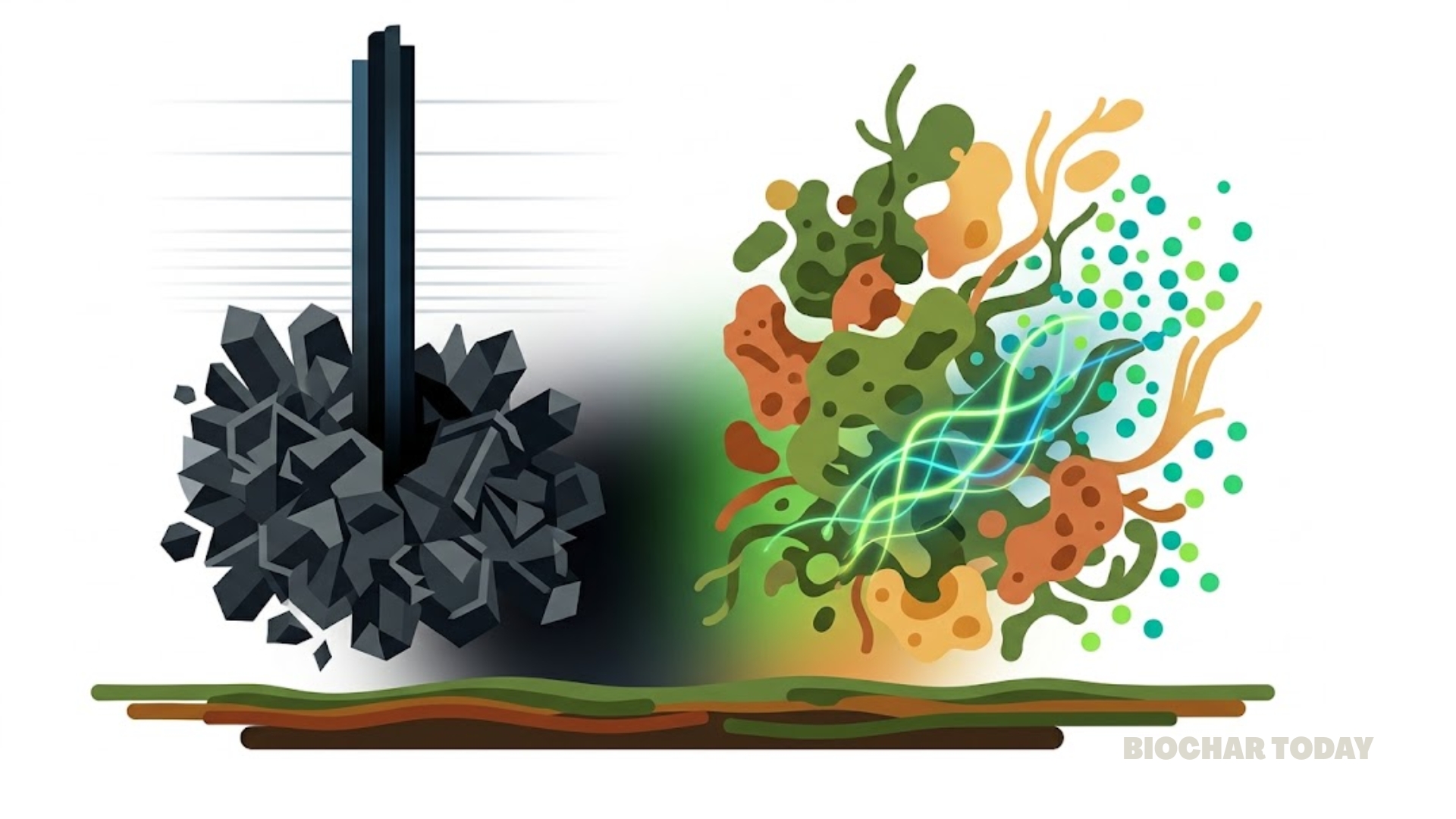
Microbial co-occurrence network analysis revealed that the BM_BC treatment increased the abundance of Module 2, a cluster co-dominated by beneficial bacterial and fungal species, and strengthened the interactions between them. These intensified interkingdom interactions, particularly the positive associations between bacteria and fungi, were crucial for promoting the healthy growth of cut chrysanthemums in diseased soil. The PLS-PM analysis further confirmed that microbial network intensification directly mediated plant health enhancement, with a path coefficient of 0.78.
Soil properties, such as pH, total phosphorus (TP), dissolved organic carbon (DOC), and dissolved nitrogen (DON), also played a significant role in shaping these microbial communities. The combined biochar-Bacillus treatment drove microbiome reorganization via coupled shifts in these key soil factors. For example, biochar’s alkaline nature adjusted soil pH, which in turn promoted the growth of beneficial bacteria like Pseudomonas.
In conclusion, the co-application of biochar and Bacillus subtilis presents a synergistic strategy for managing continuous cropping obstacles in cut chrysanthemum cultivation. This approach not only boosts plant growth and root activity but also effectively suppresses disease by strengthening microbial interkingdom interactions and enhancing soil microbial diversity. While these findings are validated in controlled pot trials, further long-term field studies are essential to assess the sustainability and broader applicability of this promising approach across diverse crop systems.
Source: Tao, R., Ding, W., Zhang, K., Wu, S., Li, J., Chu, G., & Hu, B. (2025). Biochar and Bacillus subtilis boost cut chrysanthemum growth via intensified microbial interkingdom interactions. Biochar, 7(1), 75.


Leave a Reply