
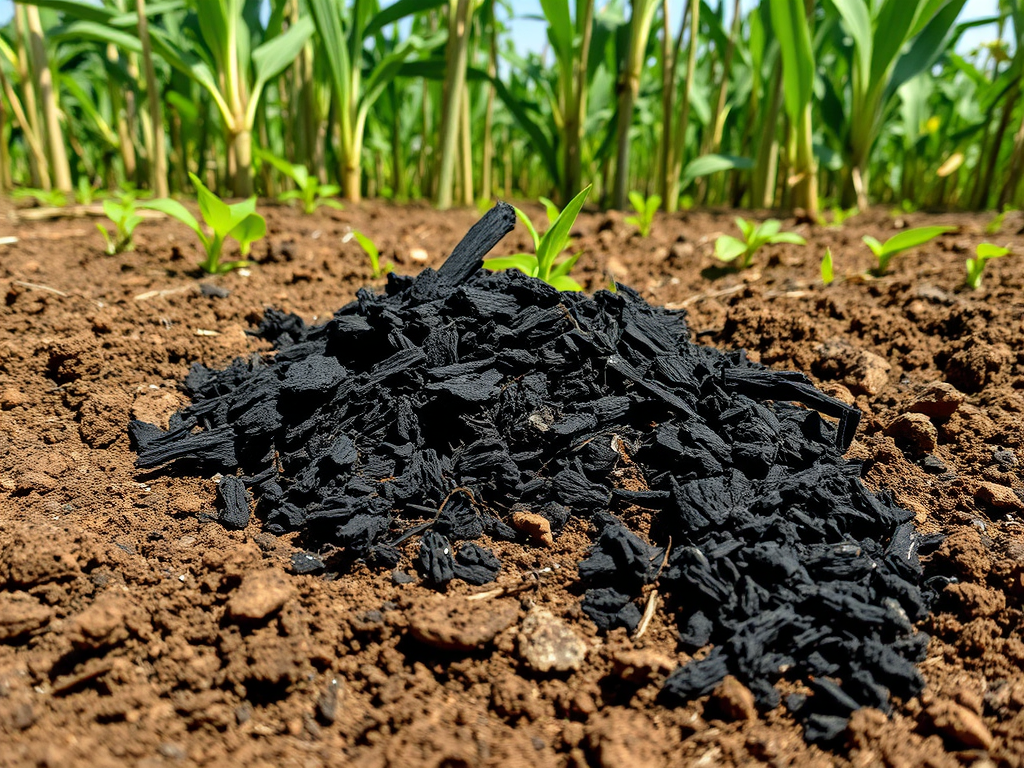
Lyu and Zimmerman, in a field study published in Agriculture, examined the stability of biocharBiochar is a carbon-rich material created from biomass decomposition in low-oxygen conditions. It has important applications in environmental remediation, soil improvement, agriculture, carbon sequestration, energy storage, and sustainable materials, promoting efficiency and reducing waste in various contexts while addressing climate change challenges. More in soil over 15 months. The researchers incorporated different types of biochar, produced from various biomassBiomass is a complex biological organic or non-organic solid product derived from living or recently living organism and available naturally. Various types of wastes such as animal manure, waste paper, sludge and many industrial wastes are also treated as biomass because like natural biomass these More sources and at different temperatures, into two soil types in North Central Florida. They found that biochar losses ranged from 17.5% to 93.3% per year, significantly higher than the 0.4-3% losses reported in previous laboratory studies.
The study highlights the limitations of laboratory incubations in predicting the long-term stability of biochar in field conditions. The high losses observed in the field may be attributed to the subtropical climate and variable environmental conditions at the study site. The researchers suggest that future studies should focus on field experiments to accurately assess biochar’s long-term stability and its potential for carbon sequestration.
This research raises important questions about the effectiveness of biochar as a carbon sequestration tool. While biochar has been promoted for its potential to mitigate climate change, high decomposition rates in the field could significantly reduce its carbon storage benefits. Further research is crucial to understand the factors influencing biochar stability and to develop strategies for maximizing its carbon sequestration potential.
Source: Lyu, J., & Zimmerman, A. R. (2025). Large Losses of Pyrogenic Carbon (Biochar) and Native Soil Carbon During a 15-Month Field Study in North Florida, USA. Agriculture, 15(3), 300. https://doi.org/10.3390/agriculture15030300



Leave a Reply