
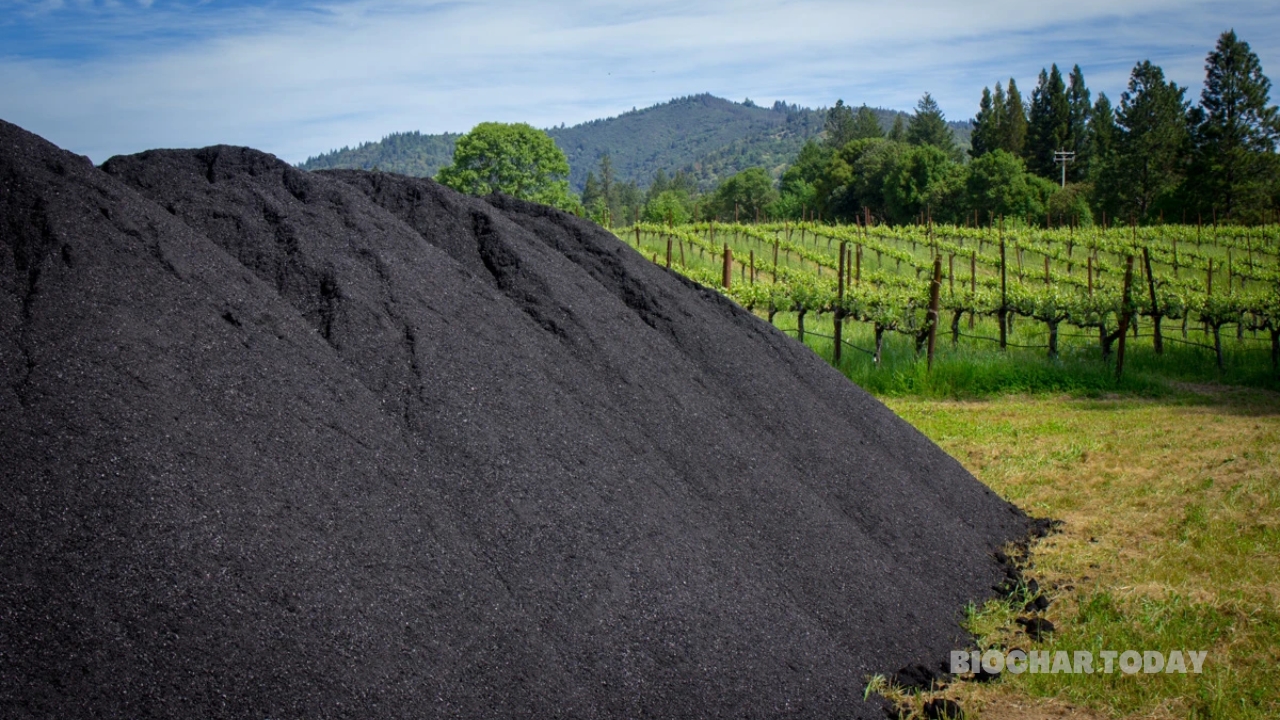
Denmark aims to become climate neutral by 2045, with a 110% reduction in greenhouse gas emissions by 2050. As part of this goal, pyrolysisPyrolysis is a thermochemical process that converts waste biomass into bio-char, bio-oil, and pyro-gas. It offers significant advantages in waste valorization, turning low-value materials into economically valuable resources. Its versatility allows for tailored products based on operational conditions, presenting itself as a cost-effective and efficient More technology plays a crucial role in carbon storage efforts. The strategy focuses on using pyrolysis to convert biomassBiomass is a complex biological organic or non-organic solid product derived from living or recently living organism and available naturally. Various types of wastes such as animal manure, waste paper, sludge and many industrial wastes are also treated as biomass because like natural biomass these More into biocharBiochar is a carbon-rich material created from biomass decomposition in low-oxygen conditions. It has important applications in environmental remediation, soil improvement, agriculture, carbon sequestration, energy storage, and sustainable materials, promoting efficiency and reducing waste in various contexts while addressing climate change challenges. More, a carbon-rich product that can be sequestered in agricultural soils for centuries, reducing emissions from the farming sector.
The strategy outlines three key areas to promote pyrolysis: simplified regulations, financial incentives, and improved methods for emissions accounting. By 2026, Denmark plans to implement clear regulations for biochar application and establish a task force to coordinate pyrolysis initiatives. Financial incentives, including a subsidy program for biochar in agriculture, are set for 2027. Furthermore, efforts are underway to include biochar’s carbon storage potential in Denmark’s greenhouse gas accounting by 2027.
In addition to biochar, the pyrolysis process generates pyrolysis gas and oil, which can be used as alternative fuels, further contributing to CO2 reductions. The government supports ongoing research and development of pyrolysis technologies to increase their scalability and market viability, with expectations of rapid deployment leading to significant emission reductions by 2035.
Through these coordinated efforts, Denmark envisions pyrolysis as a key technology for achieving its ambitious climate goals, while fostering innovation and sustainability in agriculture and energy sectors.


Leave a Reply