
Okebalama & Marschner (2024) Carbon and nutrient cycling responses to repeated application of biocharBiochar is a carbon-rich material created from biomass decomposition in low-oxygen conditions. It has important applications in environmental remediation, soil improvement, agriculture, carbon sequestration, energy storage, and sustainable materials, promoting efficiency and reducing waste in various contexts while addressing climate change challenges. More and NPK fertilizers depend on microenvironmental differences among hierarchical aggregate fractions. Pedobiologia. https://doi.org/10.1016/j.pedobi.2024.150962
A recent study published in Pedobiologia explores how repeated applications of biochar and NPK fertilizers affect carbon (C) and nutrient cycling in soils, with a focus on different soil aggregate sizes. Conducted by Chinyere Blessing Okebalama and Bernd Marschner, the research reveals that the microenvironment significantly influences soil biochemical responses to these treatments.
Key Findings
- Biochar Alone: When applied repeatedly to nitrogen-poor soil, biochar alone had a negative impact on microbial activity. Specifically, it reduced N-Acetyl-β-glucosaminidase activity, indicating that microbes were extracting nitrogen from the soil in a process known as ‘microbial N-mining’.
- Biochar with NPK Fertilizer: Combining biochar with NPK fertilizer enhanced microbial activity. This combination improved soil electrical conductivity, microbial biomassBiomass is a complex biological organic or non-organic solid product derived from living or recently living organism and available naturally. Various types of wastes such as animal manure, waste paper, sludge and many industrial wastes are also treated as biomass because like natural biomass these More, and enzyme activities related to carbon, nitrogen, and sulfur cycles. For instance, β-cellobiosidase activity increased by 35% with the combined treatment.
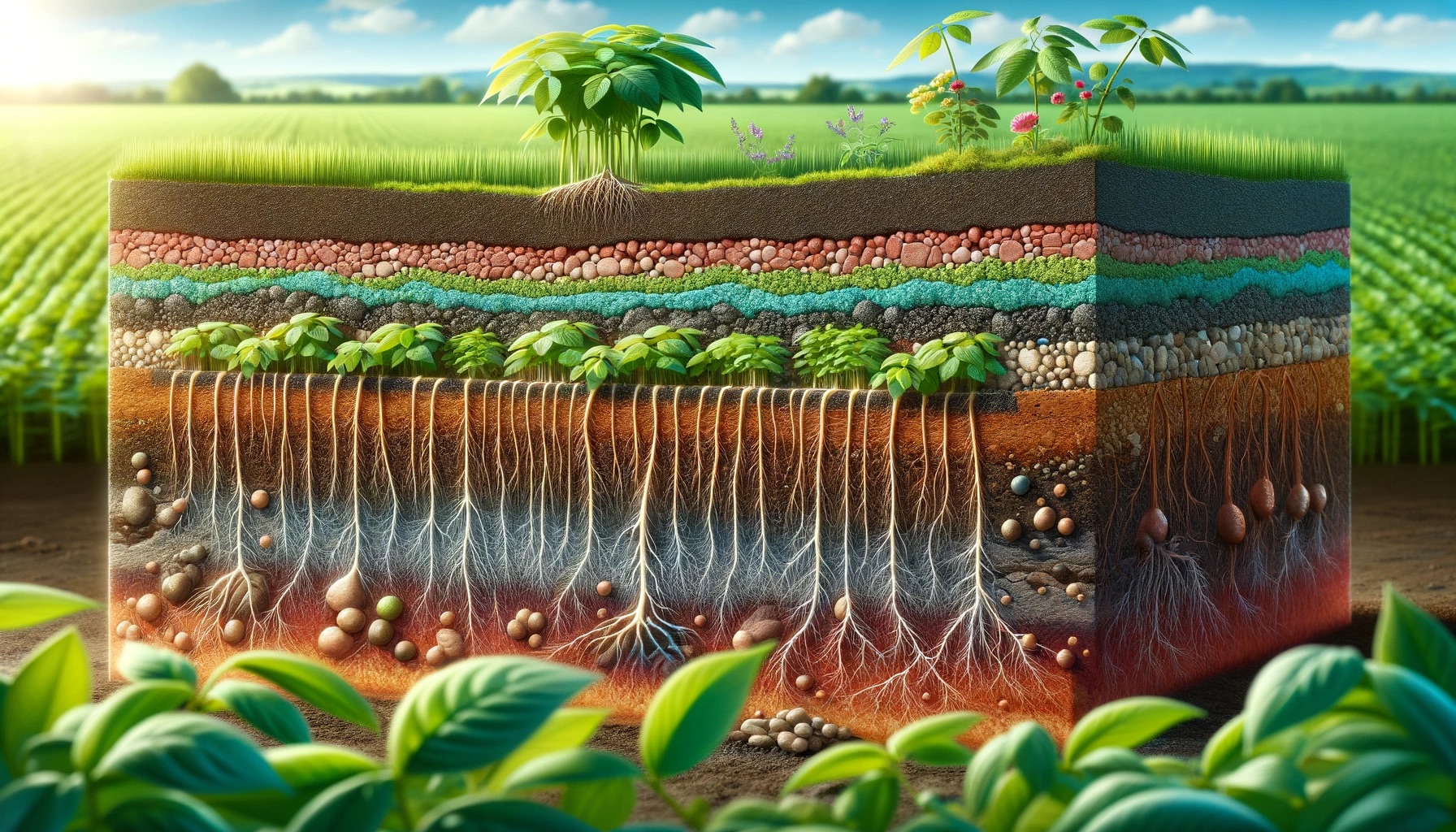
- Soil Aggregates: The study highlighted that soil biochemical responses varied significantly with aggregate size. Micro-aggregates (< 0.25 mm) showed the highest biochemical activity, followed by macro-aggregates (0.25–4.75 mm), with the least activity observed in smaller macro-aggregates (0.25–1.00 mm).
- Nutrient Cycling: The repeated application of biochar and NPK fertilizer improved the availability and retention of essential nutrients (C, N, P, K, and Mg) in the soil, which is crucial for long-term soil health and fertility.
The research underscores the importance of considering microenvironmental differences within soil aggregates when applying biochar and fertilizers. While biochar alone may not be beneficial for nitrogen-deficient soils, its combination with NPK fertilizer can significantly enhance soil microbial processes and nutrient cycling. This insight is particularly valuable for agricultural practices aiming to improve soil health and sustainability.





Leave a Reply