
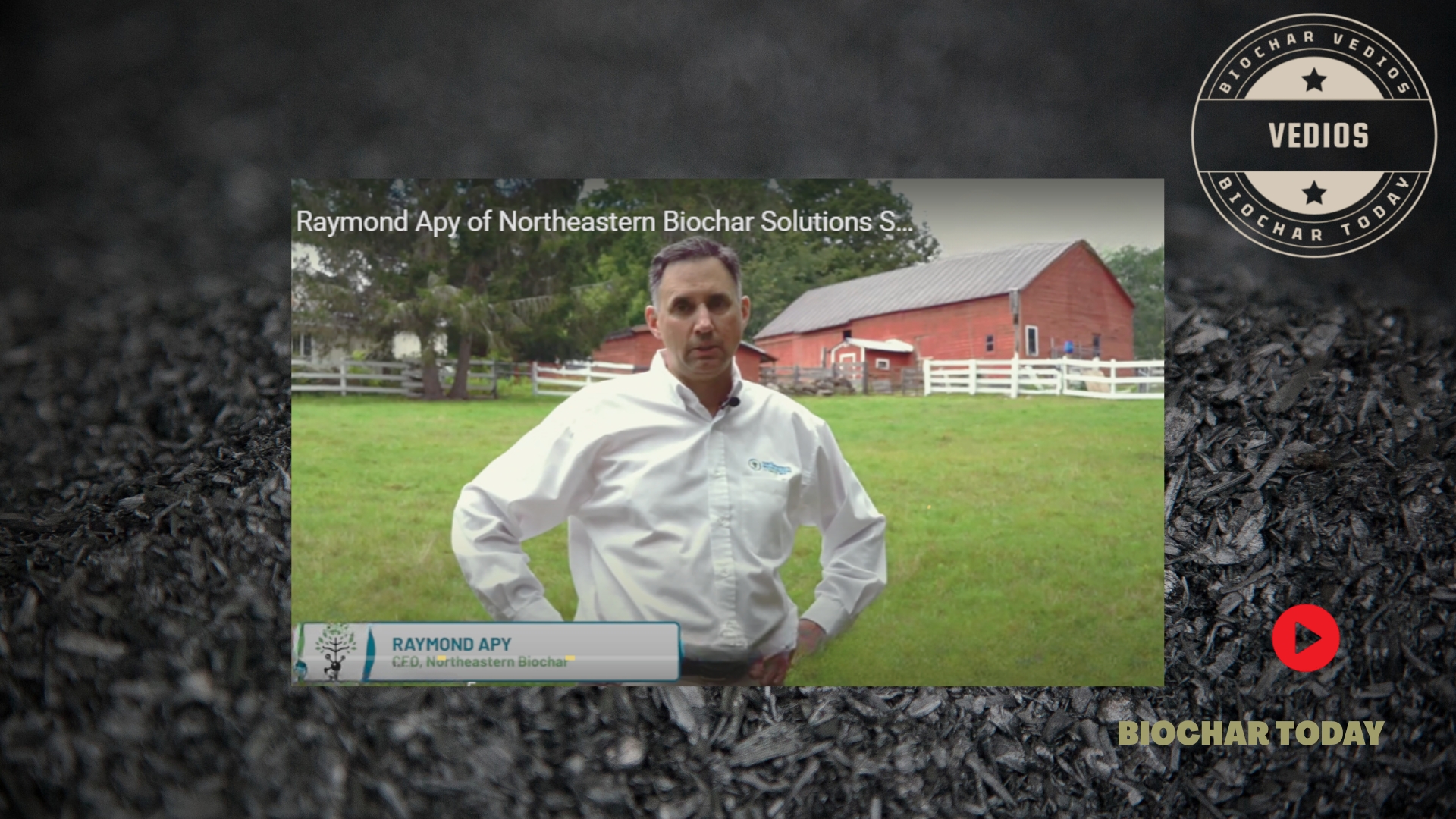
A recent video presentation by Raymond Apy at Tree Media explains how Northeastern BiocharBiochar is a carbon-rich material created from biomass decomposition in low-oxygen conditions. It has important applications in environmental remediation, soil improvement, agriculture, carbon sequestration, energy storage, and sustainable materials, promoting efficiency and reducing waste in various contexts while addressing climate change challenges. More Solutions utilizes advanced pyrolysisPyrolysis is a thermochemical process that converts waste biomass into bio-char, bio-oil, and pyro-gas. It offers significant advantages in waste valorization, turning low-value materials into economically valuable resources. Its versatility allows for tailored products based on operational conditions, presenting itself as a cost-effective and efficient More technology to transform municipal biosolids into decontaminated biochar, effectively destroying persistent PFAS chemicals and creating high-value agricultural soil amendments.
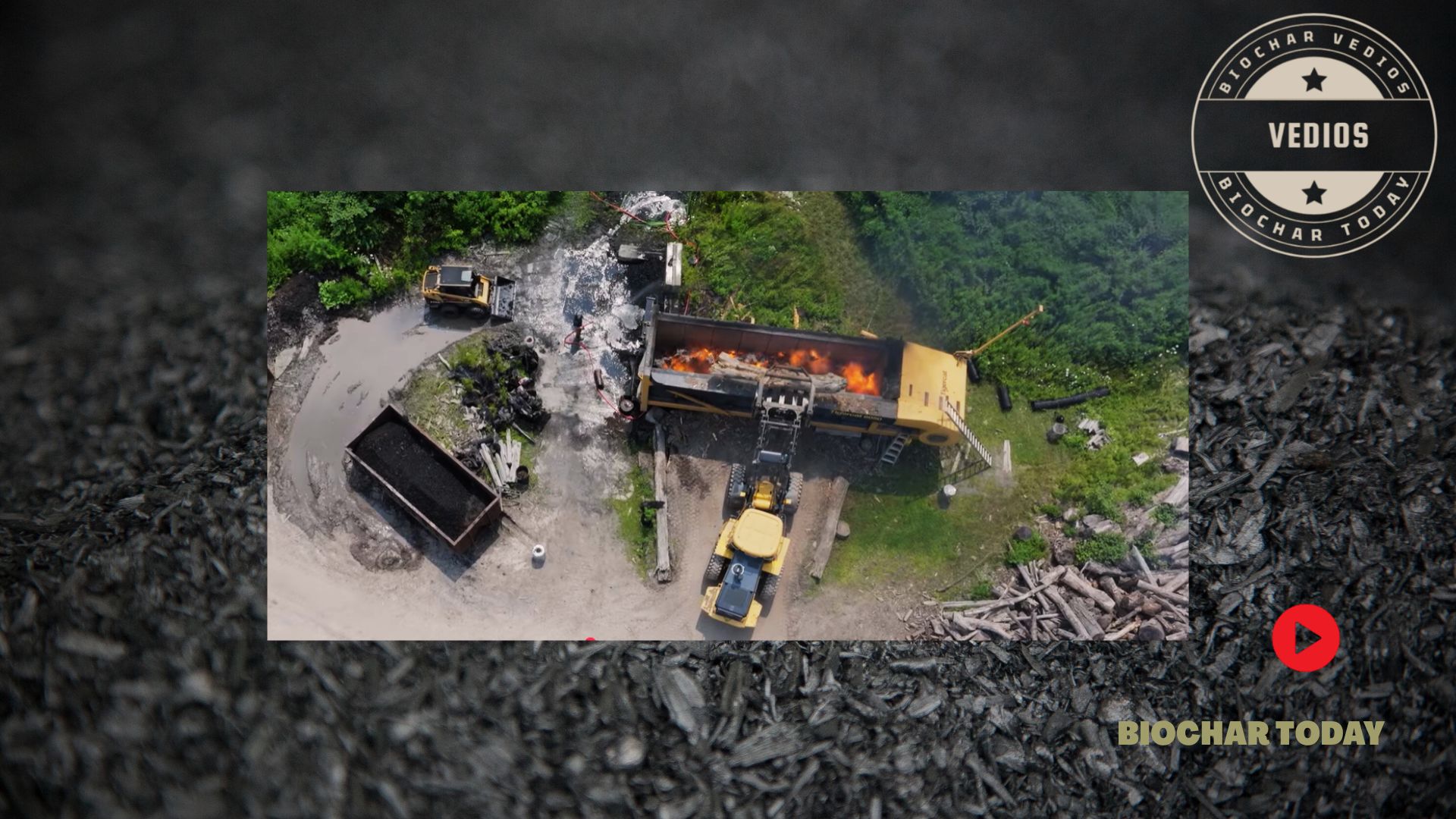
Raymond Apy, President of Northeastern Biochar Solutions, discusses the critical need for sustainable disposal methods for municipal biosolids, specifically focusing on the regulatory environment in New York. As landfill capacity diminishes and moratoriums on traditional land application of sewage sludge emerge due to environmental concerns, Apy details a technical strategy to process these organic wastes through a multi-stage thermal oxidation system. The primary goal of this initiative is to provide a “relief valve” for wastewater utilities by cracking the carbon-fluorine bonds of “forever chemicals” like PFOA and PFOS. The project addresses the legacy of contamination in upstate New York by implementing zero-oxygen thermal processing that prevents the release of toxic compounds into the atmosphere while sequestering carbon in a stable, mineral-rich form.
This presentation is highly significant for the industry as it provides empirical evidence that pyrolysis can operate effectively at a commercial scale to solve the biosolids crisis. By demonstrating the complete destruction of short-chain and long-chain PFAS at temperatures reaching 2,600 degrees Fahrenheit, the project bridges the gap between laboratory success and industrialized waste management. This approach directly supports the circular economy by upcycling a regulated waste stream into a functional carbon fertilizer that improves soil moisture retention and microbial health. For practitioners in soil restoration and carbon sequestration, these findings validate biochar as a superior alternative to synthetic fertilizers, offering a non-water-soluble nutrient source that prevents agricultural runoff while permanently removing carbon from the atmospheric cycle.


Leave a Reply