
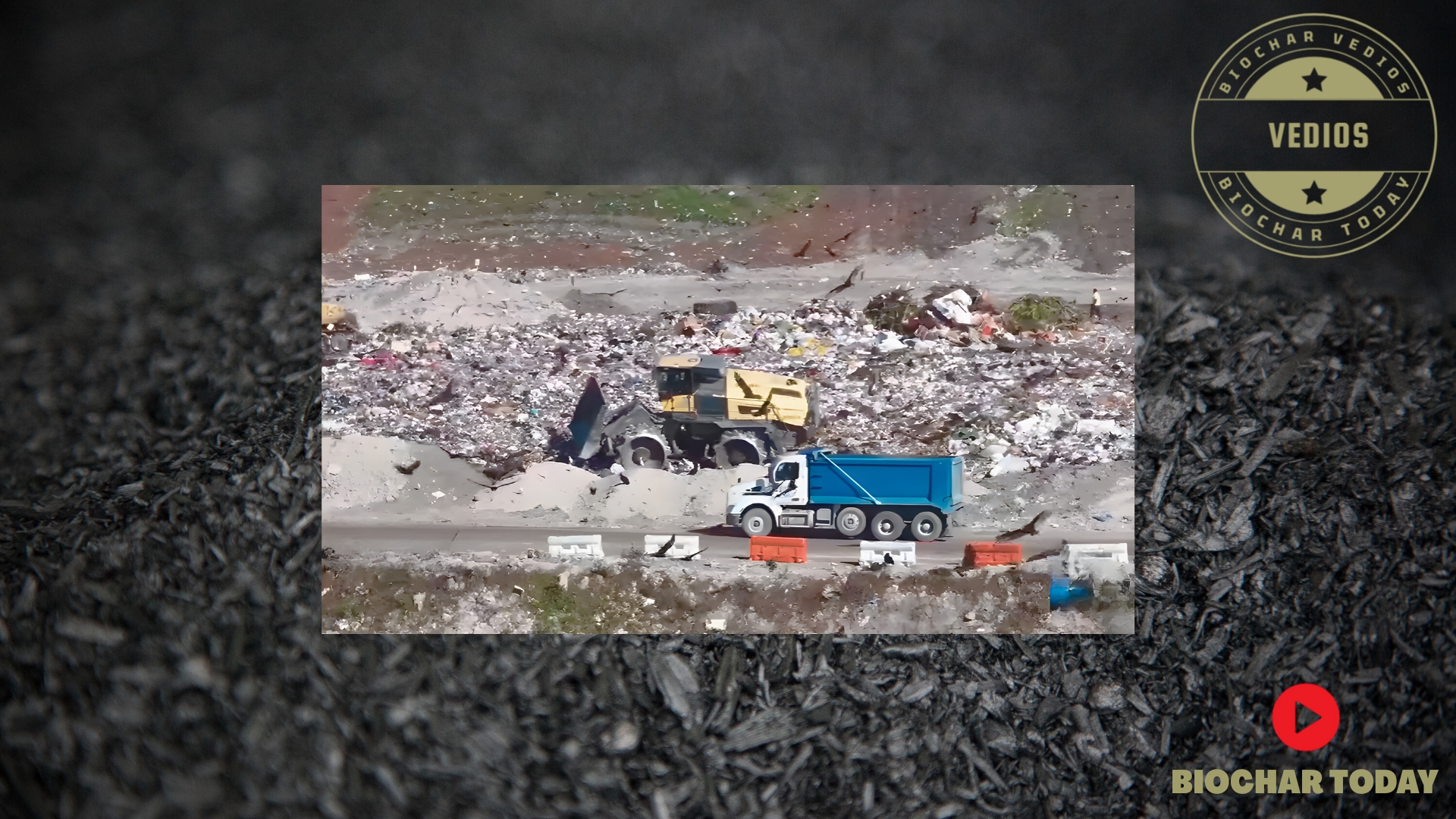
This video examines developments in the United States, where Miami-Dade County, Florida, is evaluating biocharBiochar is a carbon-rich material created from biomass decomposition in low-oxygen conditions. It has important applications in environmental remediation, soil improvement, agriculture, carbon sequestration, energy storage, and sustainable materials, promoting efficiency and reducing waste in various contexts while addressing climate change challenges. More technology as part of its response to growing landfill capacity constraints. The presentation outlines how local authorities are assessing thermal conversion systems to manage increasing volumes of vegetative and organic waste within the county’s municipal waste infrastructure. The initiative reflects broader efforts by large urban jurisdictions to identify alternative waste management pathways that support resource recovery and reduce reliance on landfill disposal.
The primary challenge addressed is the increasing pressure on landfill infrastructure caused by rising waste generation and limited disposal capacity. Miami-Dade County faces operational and environmental constraints associated with managing large volumes of organic waste, including land use limitations and long-term sustainability considerations. These conditions require scalable solutions that can divert waste streams while maintaining compliance with regulatory and environmental objectives.
The proposed solution involves processing organic waste through thermal conversion technologies that produce biochar. This approach reduces waste volume while transforming biomassBiomass is a complex biological organic or non-organic solid product derived from living or recently living organism and available naturally. Various types of wastes such as animal manure, waste paper, sludge and many industrial wastes are also treated as biomass because like natural biomass these More into a stable carbon material suitable for various applications. The system is designed to integrate with existing waste management operations, supporting diversion strategies and enabling more efficient handling of municipal organic waste streams.
The outcomes discussed include the potential to extend landfill lifespan, improve waste diversion performance, and strengthen long-term waste management planning. The initiative also demonstrates the role of biochar technologies in municipal infrastructure, highlighting their relevance for addressing waste management challenges in densely populated regions.


Leave a Reply