
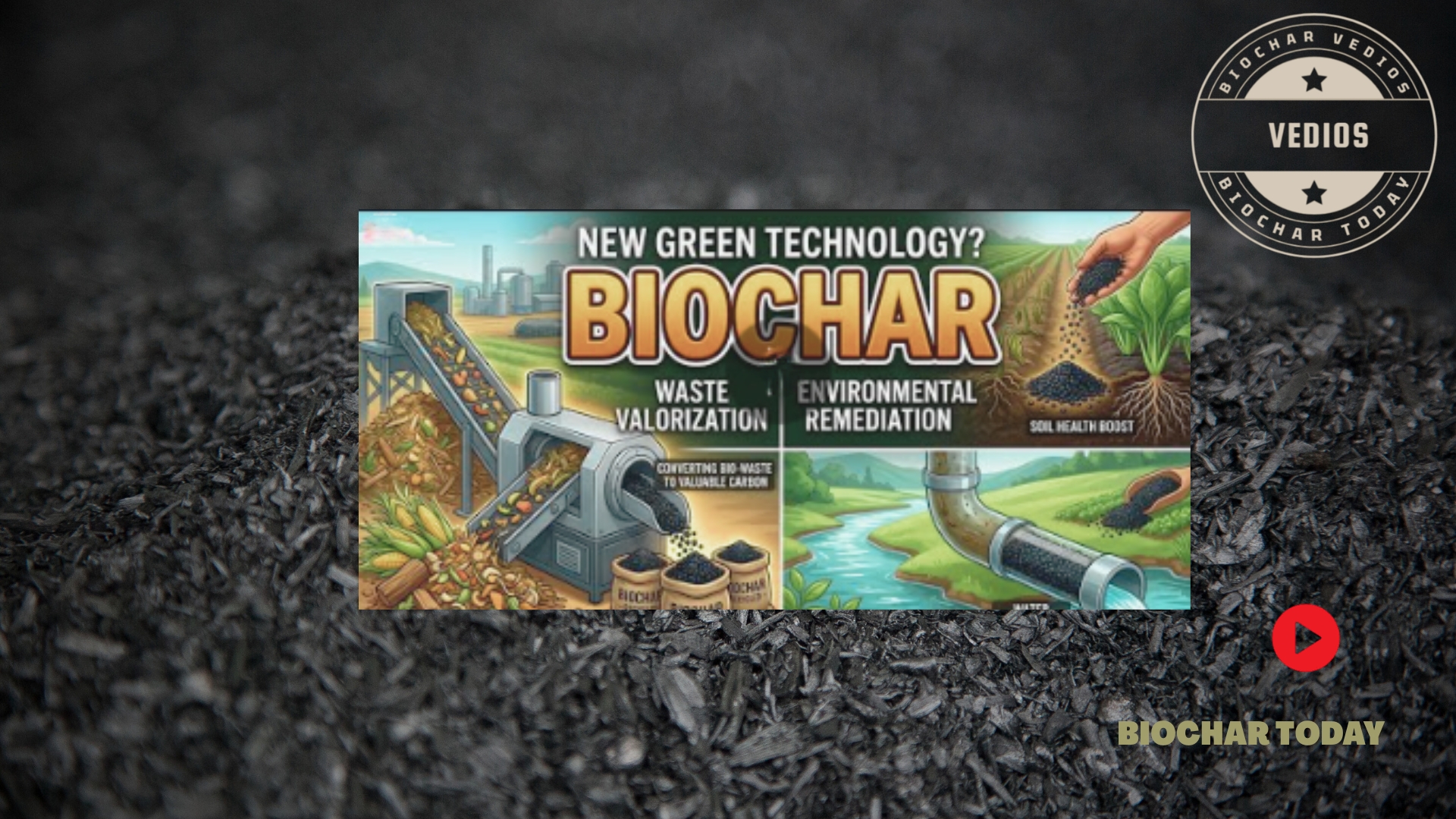
A recent video presentation by a lead researcher at the EcoFarm Conference explains how matching the specific physical and chemical properties of biocharBiochar is a carbon-rich material created from biomass decomposition in low-oxygen conditions. It has important applications in environmental remediation, soil improvement, agriculture, carbon sequestration, energy storage, and sustainable materials, promoting efficiency and reducing waste in various contexts while addressing climate change challenges. More to soil needs can optimize long-term carbon stability and agricultural productivity. This session highlights the transition from laboratory characterization to practical field application, providing growers with the technical evidence needed to utilize biochar as a permanent soil amendmentA soil amendment is any material added to the soil to enhance its physical or chemical properties, improving its suitability for plant growth. Biochar is considered a soil amendment as it can improve soil structure, water retention, nutrient availability, and microbial activity. More for enhanced moisture and nutrient management.
The featured speaker discusses the strategic role of biochar within the “Biochar Resilience Network.” The presentation focuses on how agricultural residues are thermally converted into stable carbon forms to address the rapid degradation of soil organic matter in intensive farming systems. Primarily centered on improving the resilience of diverse cropping environments, the project attempts to solve the lack of standardized field data by demonstrating how different feedstocks influence “recalcitrance”—the ability of carbon to remain stored in the soil for centuries rather than returning to the atmosphere as greenhouse gases.
The significance of this video for the readers of Biochar Today lies in its focus on the “Biochar-Compost Nexus,” which offers a clear roadmap for bridging the gap between scientific theory and on-farm reality. By illustrating how biochar serves as a permanent physical framework for soil microbes and nutrients, the session supports circular economy principles by turning waste biomassBiomass is a complex biological organic or non-organic solid product derived from living or recently living organism and available naturally. Various types of wastes such as animal manure, waste paper, sludge and many industrial wastes are also treated as biomass because like natural biomass these More into a tool for long-term soil restoration. This information is essential for professionals designing carbon-smart systems, as it informs current sequestration practices and provides a scalable model for building biological resilience in landscapes facing increasing climate variability.
The significance of this presentation for the readers of Biochar Today lies in its demonstration of a scalable model for circular economy practices. This information bridges the gap between controlled laboratory experiments and practical field application by providing clear data on application rates and the resulting benefits to crop resilience. The findings are vital for modern soil restoration efforts, as they show that biochar is not just a carbon storage tool but a functional additive that enhances the performance of other organic amendments. Understanding these interactions informs current carbon sequestration practices, allowing land managers to develop more effective strategies for building soil carbon while simultaneously improving farm profitability and environmental outcomes.




Leave a Reply