Skip to content
LinkedIn
X
Facebook
Instagram
Reddit
Spotify
RSS Feed
Search
News
Blog
Industry Insights
Expert Profiles
Biochar Decoded
Ask Annie
Announcements
Podcast
Videos
Insights
Use Cases
Agriculture
Horticulture
Livestock
Landscaping
Building Materials
Concrete / Asphalt
Reforestation
Soil Remediation
Water Treatment
Carbon Sequestration
About
About Biochar Today
Partner Directory
Editorial Guidelines
Contact
activated carbon
Sustainable Wastewater Treatment Using Low Cost Carbon Based Biochar Catalysts
Using Biochar Catalysts to Achieve Nearly One Hundred Percent Removal of Drug Residues in Wastewater
Sustainable Charcoal and Biochar Use Boosts Serbian Crop Yields by Twenty-Seven Percent
Turning Tender Coconut Waste into Value-Added Products Through Volarization Reduces Carbon Footprints by up to 40%
Slower TNT Dissolution in Seawater and Biochar’s 90%+ Remediation Potential for Marine Ordnance Contamination
Coconut-Shell Biochar Achieves 90% Carbon Dioxide Adsorption Efficiency at 60% the Cost of Activated Carbon in Filter Tests
Activated Pine Biochar Reaches 3.5 mmol/g CO2 Uptake, Outperforming Commercial Carbon
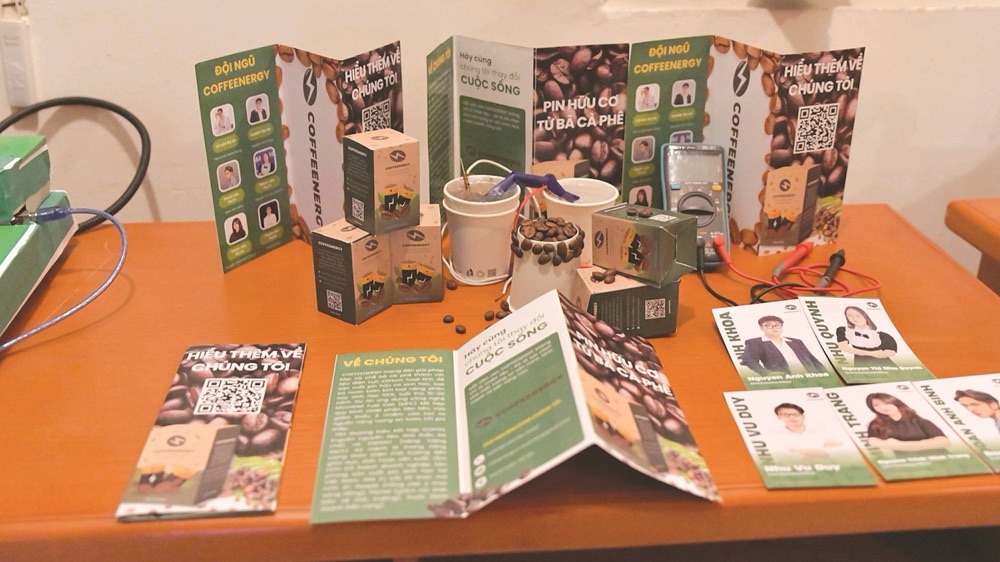
Vietnamese Business Students Convert Coffee Waste into Award-Winning Bio-Batteries
Activated Carbon from Diaper Waste Achieves Exceptional Electrochemical Hydrogen Storage Capacity of 6.60 wt% H2
Activated Carbon from Macadamia Nutshell Achieves 578.9 mg/g Capacity for Binary Pollutants
Previous Page
1
2
3
4
…
6
Next Page
Loading Comments...
Write a Comment...
Email (Required)
Name (Required)
Website