
Key Takeaways
- Converting olive processing waste into biocharBiochar is a carbon-rich material created from biomass decomposition in low-oxygen conditions. It has important applications in environmental remediation, soil improvement, agriculture, carbon sequestration, energy storage, and sustainable materials, promoting efficiency and reducing waste in various contexts while addressing climate change challenges. More helps reduce environmental pollution from agro-industrial byproducts.
- A low-pressure (vacuum) production process results in a highly stable form of carbon that can last for centuries in soil.
- The produced biochar is rich in essential plant nutrients like potassium, phosphorus, and calcium, making it valuable for soil enrichment.
- The manufacturing process itself is energy-efficient because the gases produced can be reused to power the system, cutting operating costs.
- Applying this biochar to farmland can improve soil structure, enhance water retention, and increase the soil’s ability to hold nutrients.
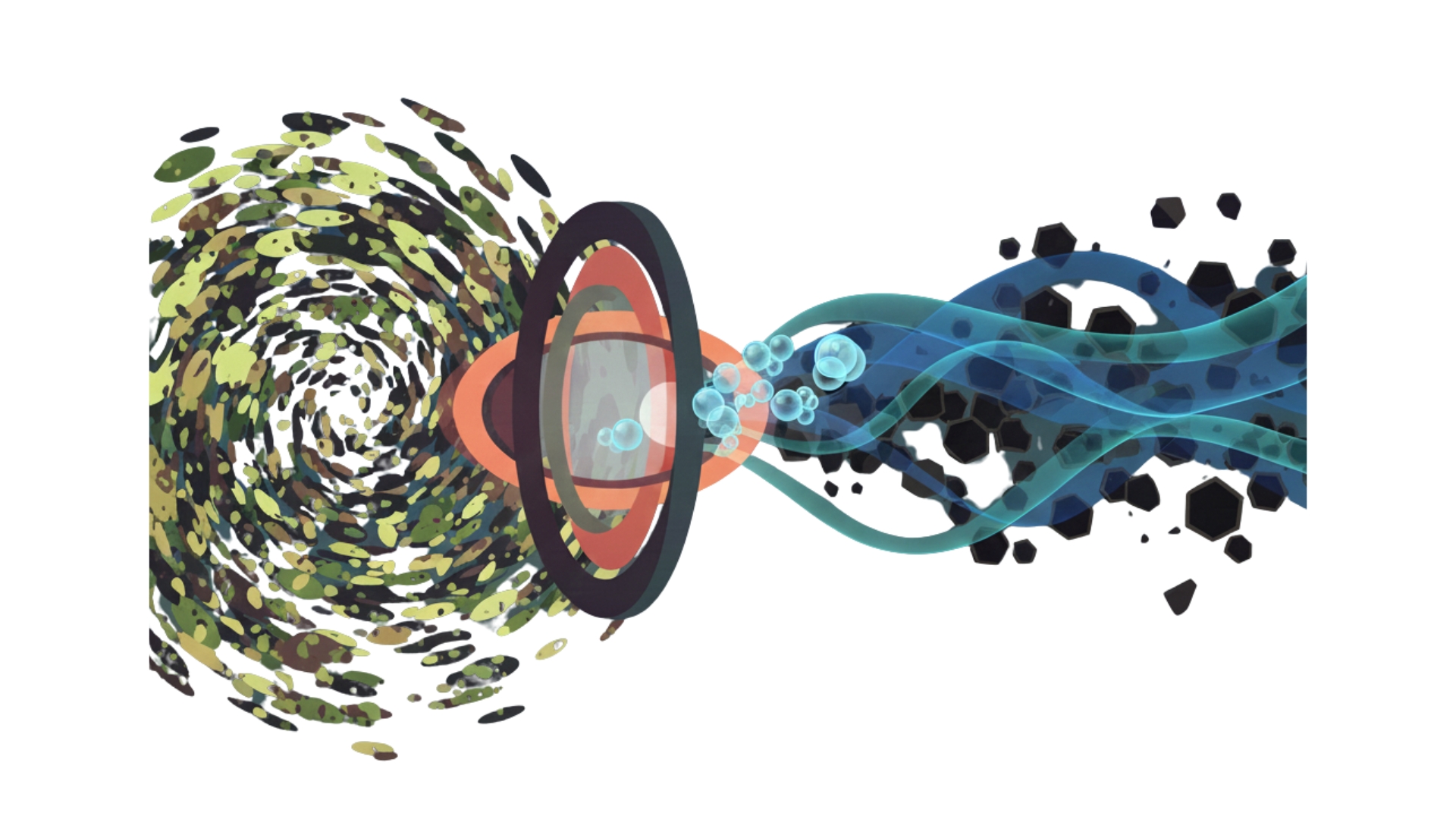
A new study published in Results in Engineering by Walid Chmingui, Imene Dridi, Hanen Zaier, Thomas Z Lerch, Claude Hammecker, and Mohamed Hachicha explores the use of vacuum pyrolysisPyrolysis is a thermochemical process that converts waste biomass into bio-char, bio-oil, and pyro-gas. It offers significant advantages in waste valorization, turning low-value materials into economically valuable resources. Its versatility allows for tailored products based on operational conditions, presenting itself as a cost-effective and efficient More on olive pomace to create a highly stable and nutrient-rich biochar. The process converts olive pomace, a major agro-industrial byproduct in Mediterranean countries, into a valuable soil amendmentA soil amendment is any material added to the soil to enhance its physical or chemical properties, improving its suitability for plant growth. Biochar is considered a soil amendment as it can improve soil structure, water retention, nutrient availability, and microbial activity. More, addressing a significant disposal challenge. This novel approach, which involves thermal treatment at 500°C under low pressure (15–20 kPa), successfully yielded 30.9 weight percent biochar and achieved a 20% improvement in carbon retention compared to conventional methods. The produced biochar is highly carbon-stable and nutrient-enriched, with a calculated carbon sequestration potential of 2.6 tons CO2 equivalents per ton of biochar applied.
The vacuum pyrolysis process offers distinct engineering and environmental advantages over conventional slow pyrolysis methods, which often struggle to balance high carbon stability with sufficient nutrient retention. In this research, vacuum conditions minimized secondary reactions and volatile losses, which is credited with achieving the enhanced carbon stability and yield. The resulting biochar contained a fixed carbon content of 68.7%, satisfying the International Biochar Initiative (IBI) standard for stable biochar (FC>60%). Furthermore, the process generated a significant syngasSyngas, or synthesis gas, is a fuel gas mixture consisting primarily of hydrogen and carbon monoxide. It is produced during gasification and can be used as a fuel source or as a feedstock for producing other chemicals and fuels. More fraction (64.6 weight percent), which is rich in gases like carbon monoxide, methane , and hydrogen. This syngas can be combusted to offset 70-90% of the system’s thermal demand, effectively reducing external energy inputs and lowering operating costs by an estimated 20-25% compared with conventional atmospheric systems. Eliminating the need for inert gases, such as nitrogen or argon, to displace oxygen is another factor contributing to the overall energy efficiency of the vacuum system.
Physicochemical characterization confirmed the material’s strong potential as a soil amendment. The biochar exhibited a high cation exchange capacity and a porosityPorosity of biochar is a key factor in its effectiveness as a soil amendment and its ability to retain water and nutrients. Biochar’s porosity is influenced by feedstock type and pyrolysis temperature, and it plays a crucial role in microbial activity and overall soil health. Biochar More of 79%. This high CEC value is better than those typical of cereal-straw and poultry-litter biochars. The high porosity and low bulk density suggest the material can improve soil aeration and water retention, while the porous architecture derived from the feedstock’s vascular tissues provides sites for microbial colonization and slow nutrient release. The pHpH is a measure of how acidic or alkaline a substance is. A pH of 7 is neutral, while lower pH values indicate acidity and higher values indicate alkalinity. Biochars are normally alkaline and can influence soil pH, often increasing it, which can be beneficial More of the biochar was alkaline (9.8), indicating it could be effective for ameliorating acidic soils and increasing base saturation.
Mineral analysis indicated a strong enrichment of key agronomic nutrients: phosphorus (P) increased by nearly 293%, potassium (K) by 253%, and calcium (Ca) by 130% compared to the raw olive pomace feedstockFeedstock refers to the raw organic material used to produce biochar. This can include a wide range of materials, such as wood chips, agricultural residues, and animal manure. More. These nutrients originate from thermally stable inorganic salts like potassium chloride, calcium carbonate, and Ca-P complexes, which persist through pyrolysis and enhance the biochar’s agronomic value. This nutrient-rich profile provides a slow-release fertilizer benefit, further contributing to climate mitigation by reducing the need for chemical fertilizers, the production of which generates upstream emissions.
In terms of environmental safety, heavy metal concentrations in the produced biochar were well below the maximum allowed thresholds set by the IBI and the European Biochar Certificate (EBC), confirming compliance with international safety standards. Given the successful conversion of this agro-waste into a product with both strong climate-mitigation potential and proven agronomic benefits, the technology positions vacuum pyrolysis as a promising pathway for waste valorization, carbon management, and climate-smart agriculture in Mediterranean regions and beyond. Future research is recommended to validate these findings in field-scale applications and confirm the specific effect of pressure through multi-pressure experiments.
Source: Chmingui, W., Dridi, I., Zaier, H., Lerch, T. Z., Hammecker, C., & Hachicha, M. (2025). Vacuum pyrolysis of olive pomace for biochar production: Enhancing carbon stability and soil nutrient supply. Results in Engineering.



Leave a Reply