

Heavy metal pollution in soil is a growing concern, threatening agriculture and human health. In a recent iScience review, Binaya Kumar Pattnaik and colleagues explore how biocharBiochar is a carbon-rich material created from biomass decomposition in low-oxygen conditions. It has important applications in environmental remediation, soil improvement, agriculture, carbon sequestration, energy storage, and sustainable materials, promoting efficiency and reducing waste in various contexts while addressing climate change challenges. More made from urban waste can reduce heavy metal contamination while supporting sustainable agriculture and waste management.
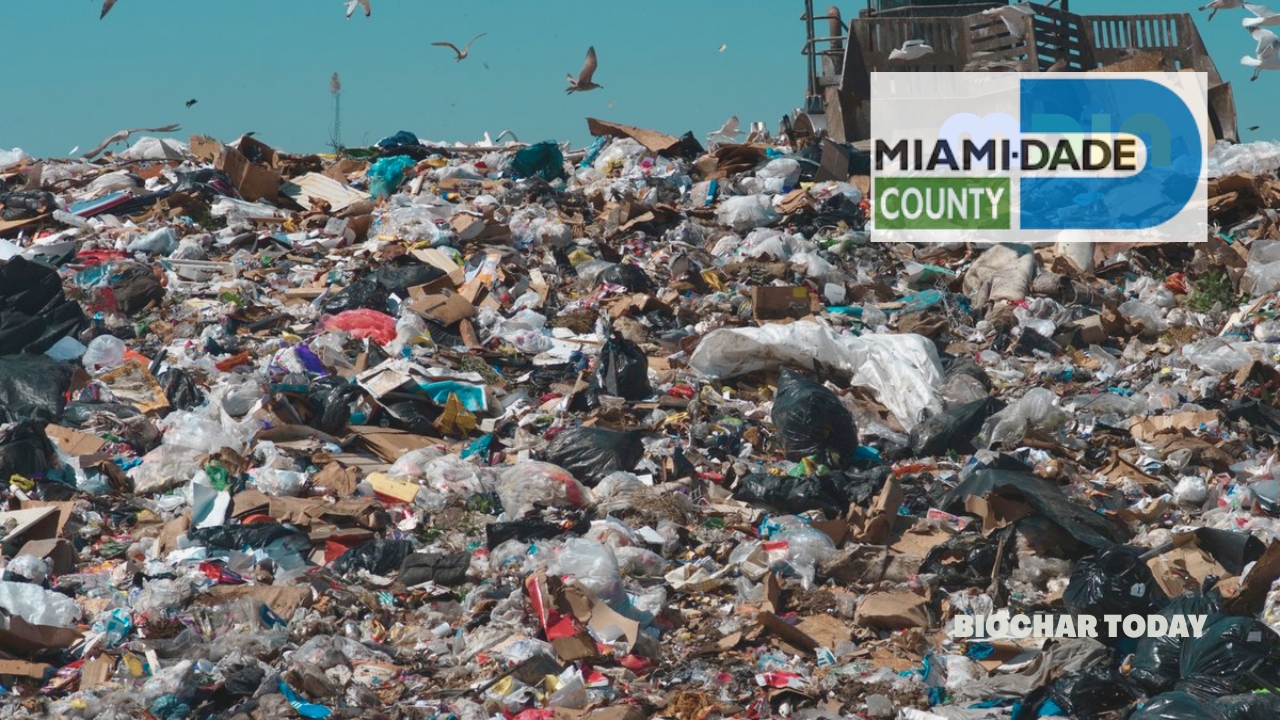
Urban waste is a significant problem, but converting it into biochar through pyrolysisPyrolysis is a thermochemical process that converts waste biomass into bio-char, bio-oil, and pyro-gas. It offers significant advantages in waste valorization, turning low-value materials into economically valuable resources. Its versatility allows for tailored products based on operational conditions, presenting itself as a cost-effective and efficient More offers a dual solution: reducing waste and improving soil health. Biochar’s porous structure and chemical composition allow it to bind with toxic metals like lead, cadmium, and arsenic, preventing them from leachingLeaching is the process where nutrients are dissolved and carried away from the soil by water. This can lead to nutrient depletion and environmental pollution. Biochar can help reduce leaching by improving nutrient retention in the soil. More into crops or water sources. The review highlights various types of urban waste-derived biochar, including biochar from food scraps, sewage sludge, and green waste. These materials, when processed correctly, can effectively stabilize heavy metals in contaminated soil.
Beyond its environmental benefits, biochar is also economically viable. The global biochar market is expanding, with increasing demand from agriculture, water treatment, and construction industries. Market analysis suggests that biochar production from urban waste could be a profitable and sustainable alternative to traditional waste disposal methods. However, challenges remain, such as ensuring consistent biochar quality and scaling up production.
This study underscores biochar’s potential in the circular bioeconomy. Instead of landfilling urban waste, cities could convert it into a valuable resource for soil remediation. Further research is needed to optimize production methods and understand biochar’s long-term effects on soil ecosystems. If adopted widely, urban waste-derived biochar could play a vital role in achieving sustainability goals, reducing pollution, and improving global food security.
Pattnaik, B.K., Behera, R., Chandra Santra, S., Choudhury, S., Biswas, J.K., Hossain, A., & Moulick, D. (2025). Potentials of urban waste derived biochar in minimizing heavy metal bioavailability: A techno-economic review. iScience, 3, 111915. https://doi.org/10.1016/j.isci.2025.111915



Leave a Reply